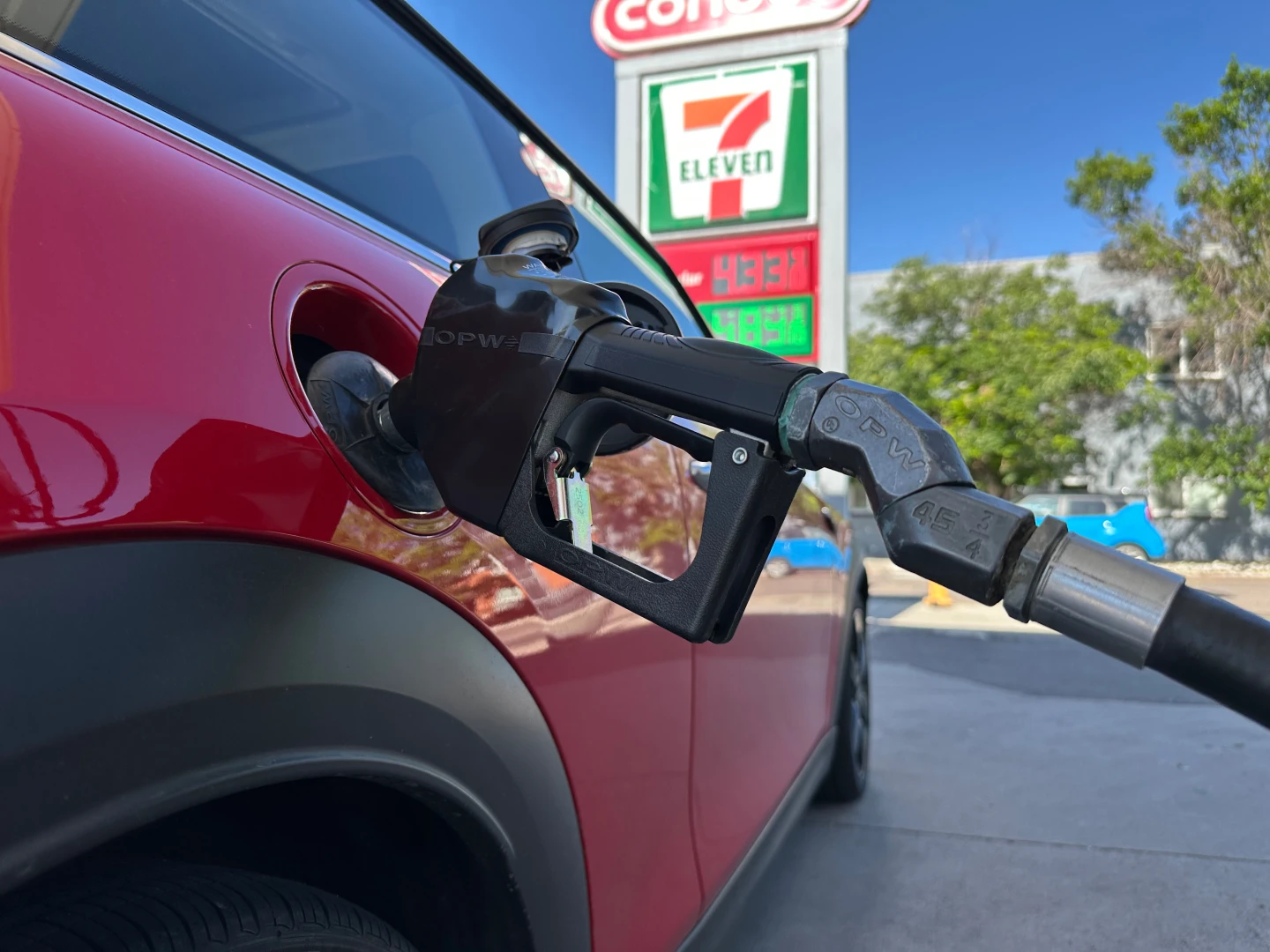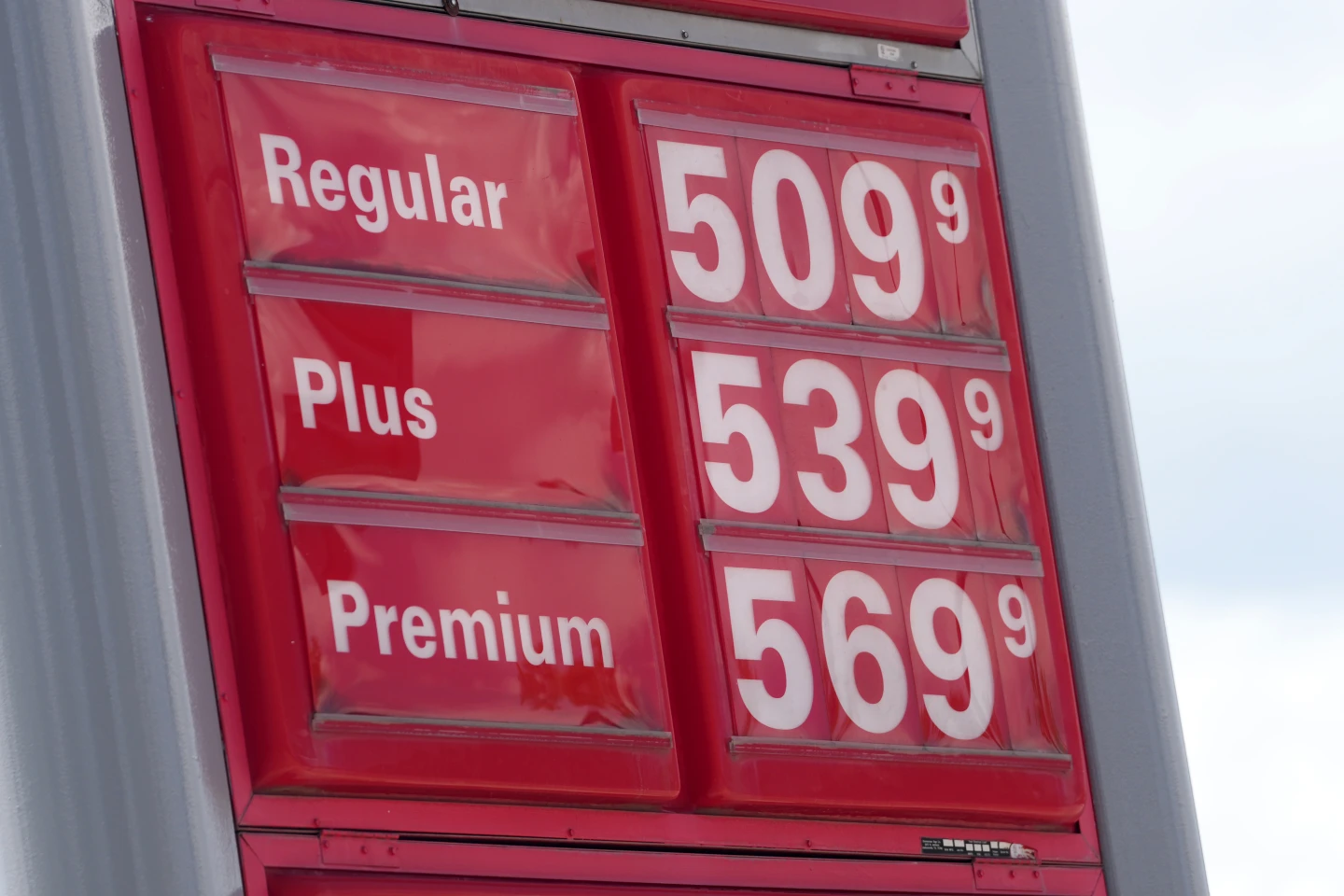
Fort Collins, Colo. (AP) — As gas prices in the Seattle area fluctuate due to the ongoing conflict in Iran, local residents are seeking reprieve at nearby Native American reservations. Junelle Lewis, who traveled specifically to the Tulalip Reservation for cheaper gas, found that prices at $4.84 per gallon were significantly lower than those closer to her home. Gas is ridiculous, but I have found that this station is cheaper than many others around here, she noted.
Lewis's experience is shared by many drivers across the United States. Particularly in states such as California, New Mexico, New York, Oklahoma, and Washington, tribal-owned gas stations offer competitive prices by benefiting from tax exemptions not available to regular gas stations. This often results in gas prices significantly lower than the state average, making these locations an attractive option for cost-conscious consumers.
Recent data suggests that, ever since the escalation of the Iran war on February 28, fuel prices nationwide have surged by over a dollar. The average cost now hovers around $4.15 per gallon. In some instances, prices swelled past $5 during summer 2022, and projections suggest further inflationary pressures on gas prices as geopolitical tension endures.
Apps like GasBuddy are also facilitating drivers in finding the cheapest available fuel. A remarkable trend has emerged where nearly 500 tribal convenience stores operating gas stations across the U.S. are proving to be lucrative alternatives for bargain hunters. For instance, at the Chukchansi Crossing Fuel Station in California, gas prices were reported to be about 60 cents less than nearby stations.
Consumers like Jamie Cross have also seen significant savings at the Mescalero Apache Reservation, with prices dropping to as low as $3.79 per gallon. Meanwhile, in New York's Cattauragus Indian Territory, various stations offered gas for approximately $3.65, providing a 50-cent discount compared to surrounding areas.
The reason behind the lower prices at tribal stations largely pertains to tax exemptions. Generally, these stations are required to pay federal fuel taxes, yet they enjoy exemptions from state taxes, which allows them to pass on those savings directly to consumers. Notably, U.S. Supreme Court rulings have historically upheld that states lack authority to tax Native Americans on their own land, a principle that has endured through various legal interpretations.
Despite the lower prices, tribal stations contribute back into their communities. Revenue generated from gas sales ultimately supports essential services and infrastructure. As Tanya Burns, CEO of the Tulalip Tribes Federal Corporation, expressed, We provide critical services like roads, police, healthcare, and education through our revenue streams.\
The findings illustrate how, in the face of rising fuel costs, Native American reservations not only provide much-needed savings for local motorists but also bolster tribal economies and support community initiatives.