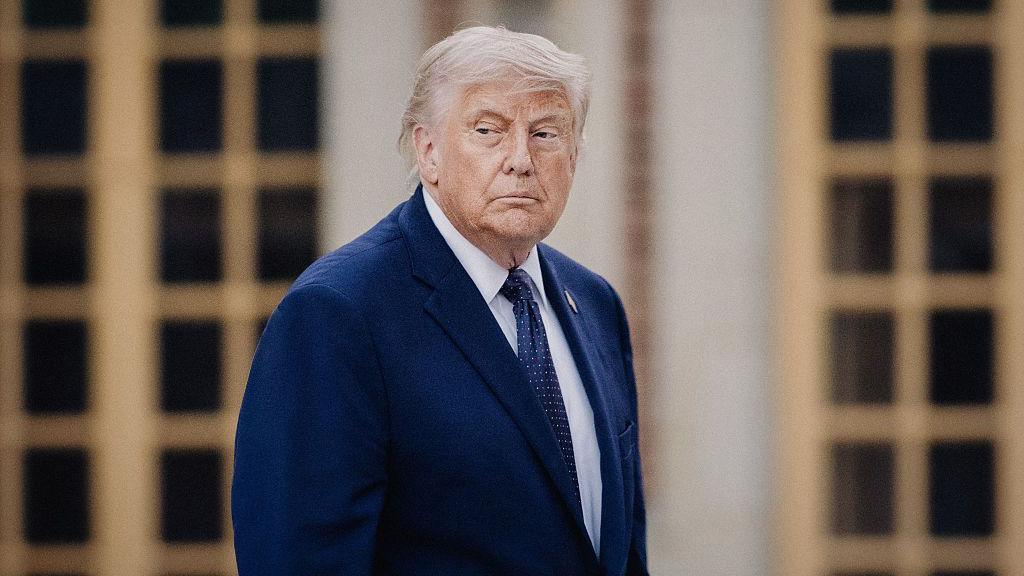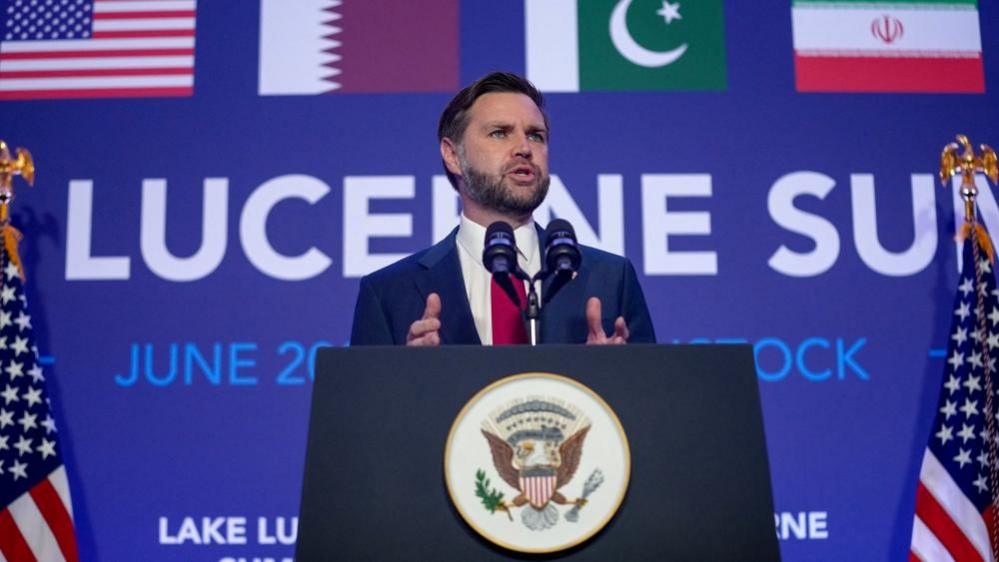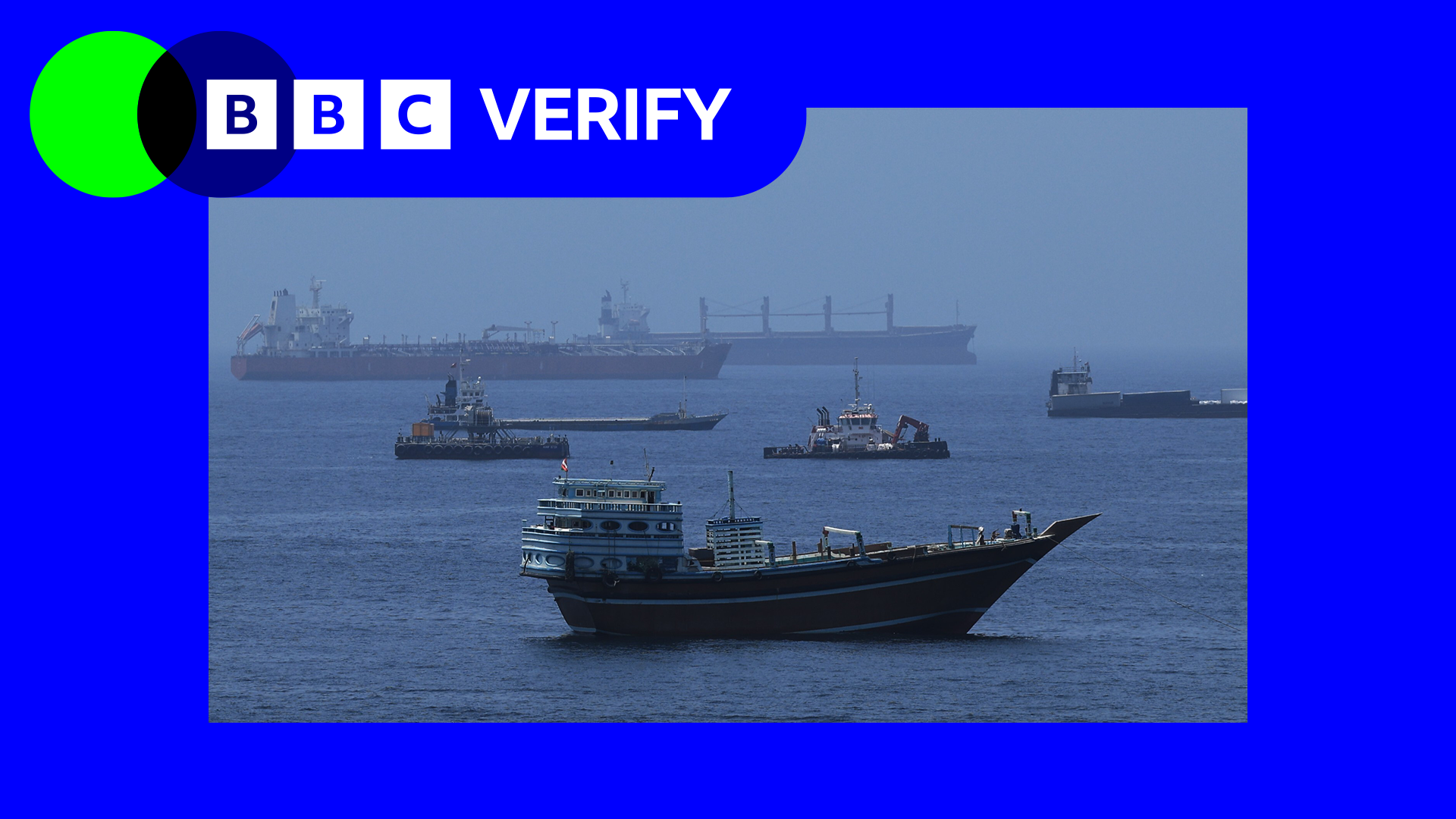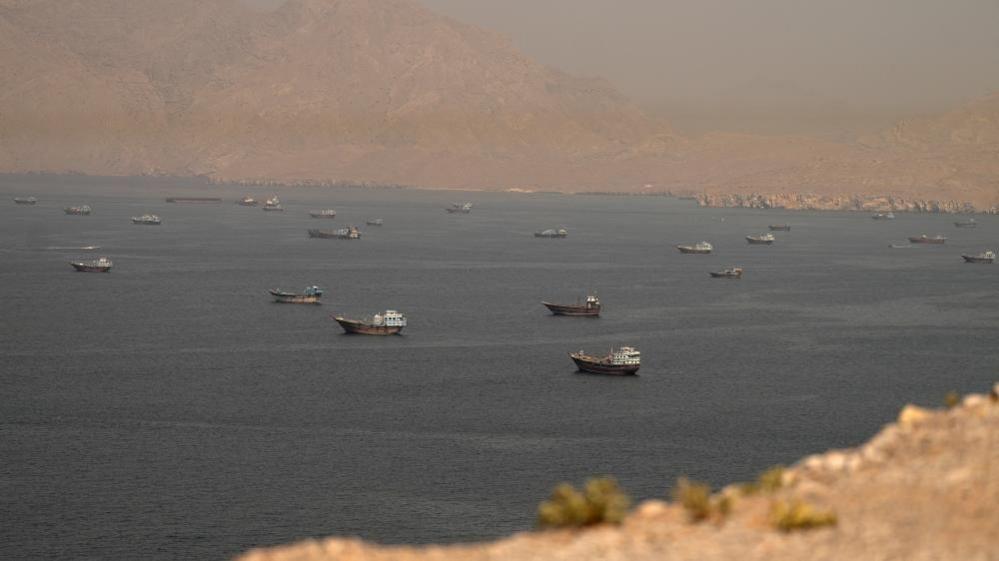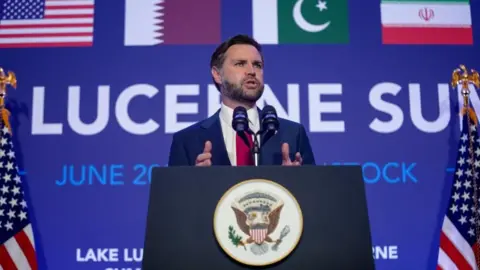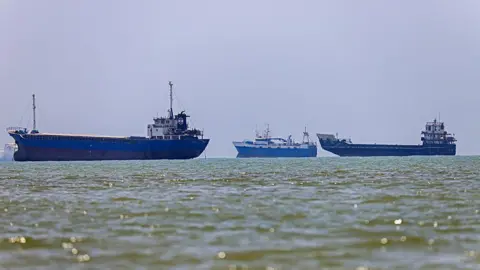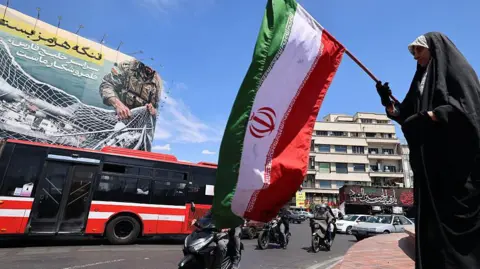
After a diplomatic team led by US Vice-President JD Vance tried, and failed, to reach a negotiated agreement to end the war with Iran on Saturday, President Donald Trump announced his next move on Sunday. In a series of posts on Truth Social, he declared that the US would impose a naval blockade of Iran, stating, No one who pays an illegal toll will have safe passage on the high seas. Trump further mentioned that the US would continue clearing mines from the Strait of Hormuz and claimed the military was locked and loaded for potential retaliatory attacks against Iran.
The negotiations in Islamabad, which lasted nearly twenty hours, showed some progress; however, the administration of Trump maintains that Iran refuses to abandon its nuclear ambitions. Contrarily, a US official involved with the negotiations noted a greater array of disputes beyond the nuclear issue, including Iran's influence over regional proxies such as the Houthis and Hezbollah.
While Trump's recent statements lack the apocalyptic rhetoric typical of his earlier threats, they have introduced new challenges and risks for the US administration. Questions surrounding the feasibility of the blockade loom large: Will US naval vessels be at increased risk of attack? How will the US determine who pays Iran a toll? Additionally, would the US utilize force against ships ignoring the blockade? How will nations reliant on Iranian oil, like China, react?
The military later clarified that the blockade would prevent all ships traveling to or from Iranian ports—expanding the initial terms Trump proposed. Critics have emerged, including Senator Mark Warner, who challenges the logic of a blockade in facilitating negotiations, while others, like Republican Congressman Mike Turner, argue it's a method to prompt solutions in Hormuz.
Previously, before negotiations were undertaken, Trump wrestled with options that included escalating attacks on Iran or withdrawing from the conflict, both of which held political risks. Opinion polls indicate that the war is viewed negatively by a large portion of the American public, underlining the unmet US goals in the region.
As midterm elections approach, Trump's blockade proposal, though drastic, may only serve to highlight ongoing struggles in US-Iran relations. Moreover, as tensions continue to simmer, the war reveals a challenging test of wills between Trump’s administration and Iran, with the uncertainty of its outcome remaining stark.