US President Donald Trump has indicated a willingness to send troops to take control of Kharg Island, a critical oil export terminal for Iran. This article explores the motivations behind this potential military action, the logistical approaches that might be used, and the substantial risks involved.
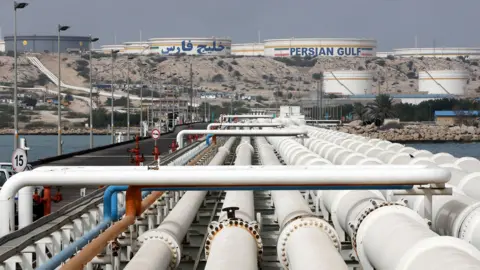
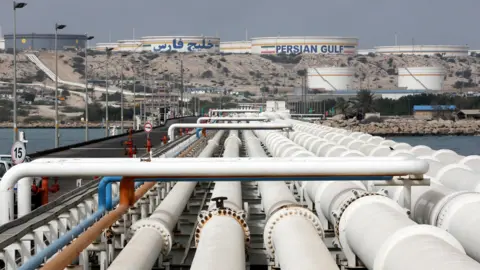
Kharg Island is vital for Iran, handling around 90% of its oil exports. The island's advantageous geographical position off the Persian Gulf makes it indispensable for international oil shipping. Historically, it endured heavy bombardments during the Iran-Iraq War, yet recent US strikes spared its oil infrastructure, focusing instead on military targets.
A US invasion would likely be a temporary act designed to pressure Iran regarding its leverage over the Strait of Hormuz, a crucial maritime chokepoint for global oil transport. However, experts question the effectiveness of such an approach given Iran's resilience and the potential backlash from its military forces.
Iran has already fortified its defenses on Kharg Island, indicating fierce resistance to any potential invasion. Should the US choose to proceed, it would need to mount a coordinated military operation involving both aerial and amphibious landings, facing significant threats from Iranian drone and missile systems.
The potential for heavy casualties raises serious considerations about a sustained US presence on the island, particularly in light of domestic sentiments against prolonged military engagement abroad. Observers note that any operation could be viewed as a simultaneous show of force and a negotiation tactic, complicating diplomatic discussions with Tehran.
Ultimately, the situation revolves not just around military might, but also around the broader implications for geopolitics in the region, raising questions about whether US strategic interests would be advanced or hampered by such a course of action.