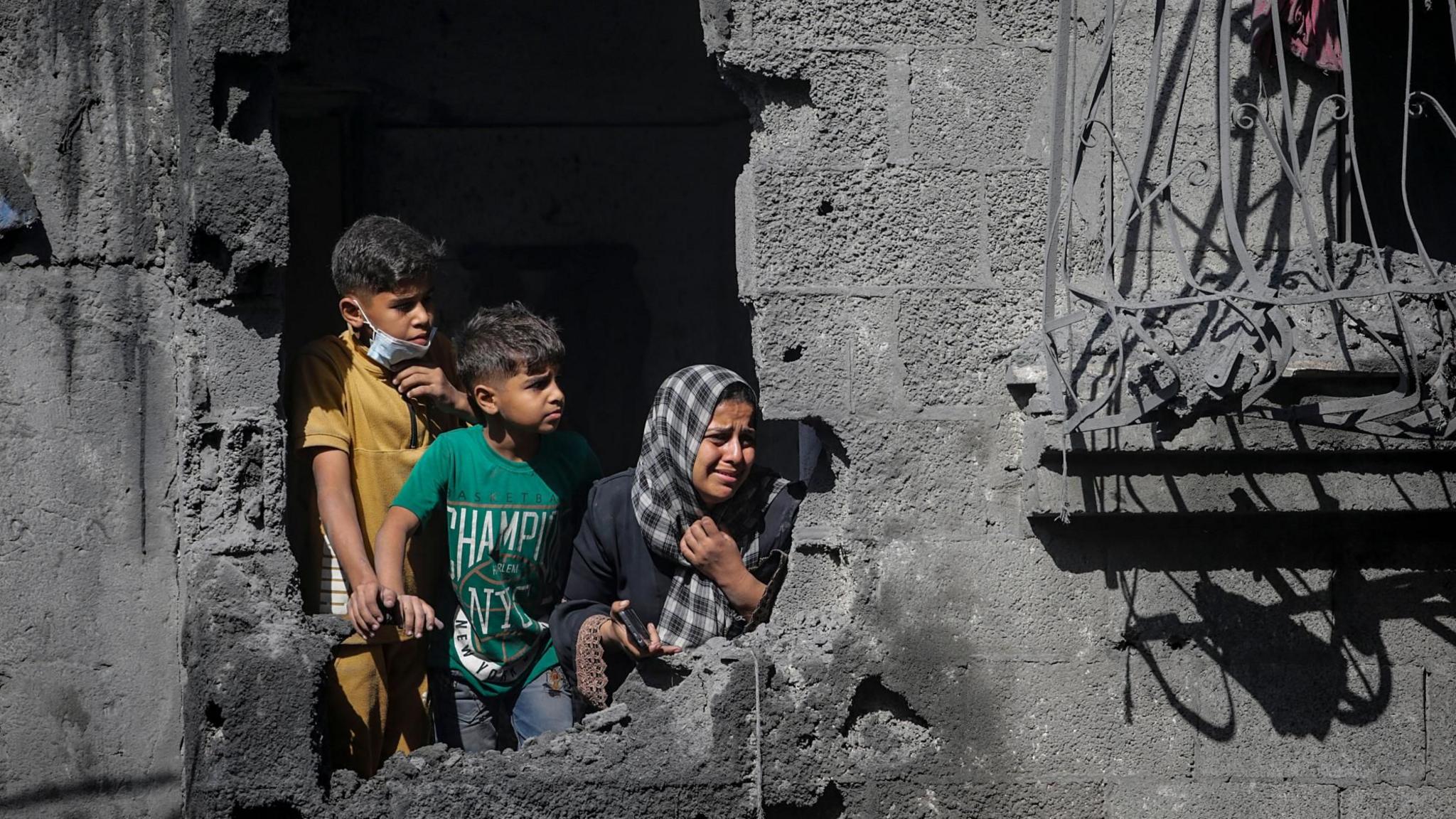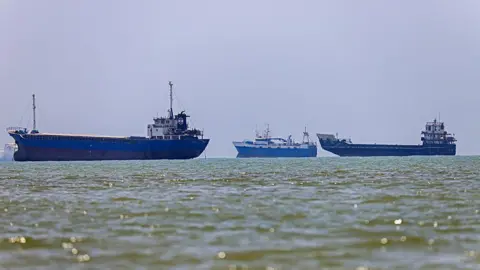
Nearly six months after a fragile ceasefire came into force in Gaza, Palestinians in this war-torn territory are still struggling. In the markets, there are again shortages of some goods and rising prices, with merchants saying supplies brought in from Israel have been disrupted by the ongoing conflict in the region.
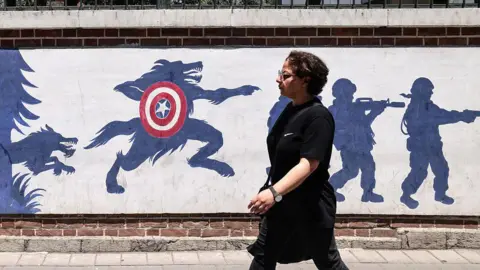
What does the war between Iran and Israel have to do with us? Prices have doubled here. Goods aren't coming in like before, says shopper Hassan Faqawi, expressing despair over the situation. He added, In this situation, the whole world is focused on Iran, America and Israel, and Gaza is forgotten.
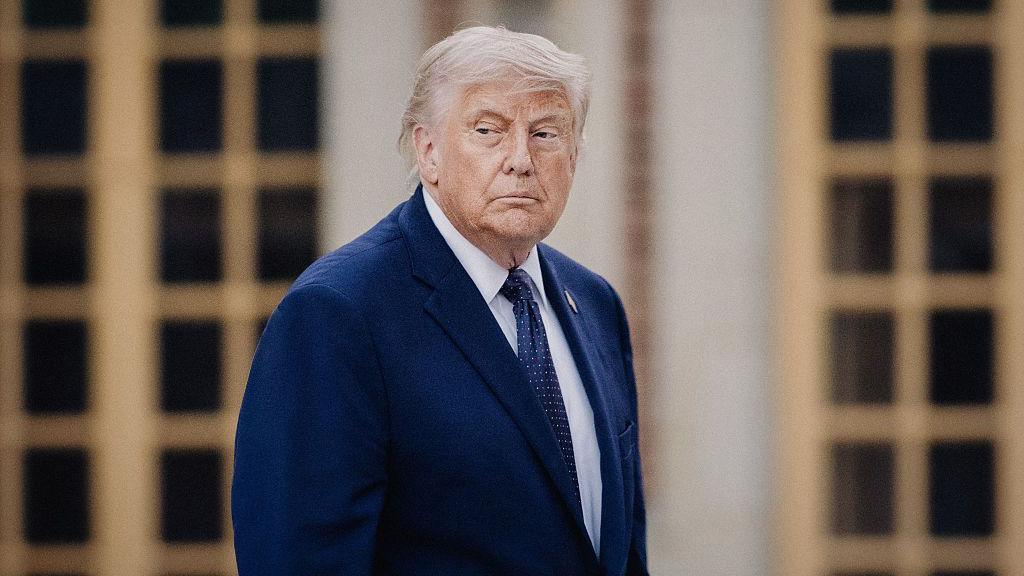
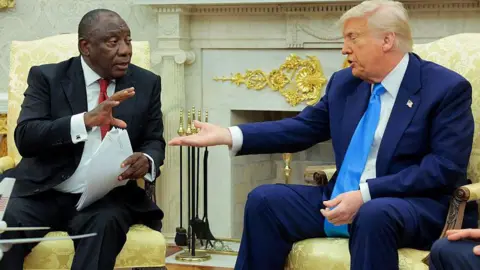
With world attention diverted to the Iran conflict, uncertainty grows regarding Gaza's future, particularly in light of President Trump's 20-point peace plan initiated to halt the fighting in October last year.
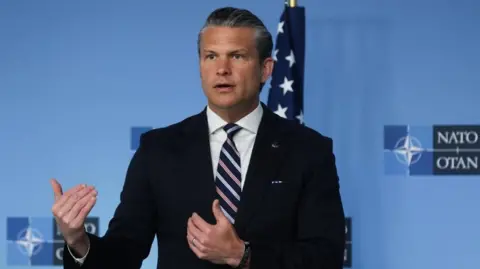
Recently, at the UN Security Council, the High Representative for Gaza on the U.S.-led Board of Peace, Nickolay Mladenov, laid out the plan for Palestinian armed groups to decommission their weapons, linking compliance to the start of reconstruction. However, sources report that Hamas is likely to reject these proposals, raising the risk of renewed military offensives with Israeli leaders demanding disarmament.
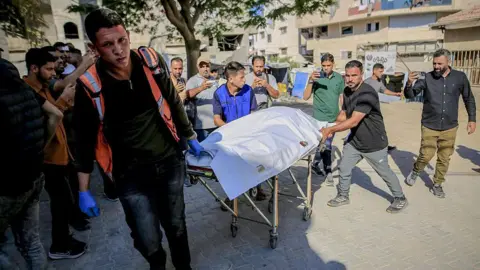
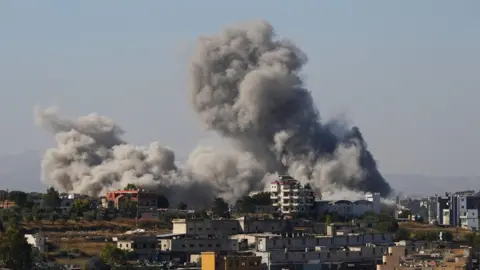
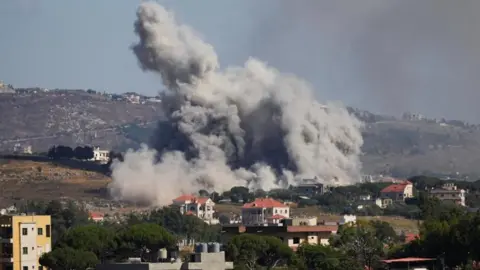
Despite the fragile ceasefire, Israeli airstrikes have persisted, resulting in casualties among Palestinians, including children. As Gazans face severe living conditions, there are rising concerns about the political dynamics, particularly amidst a backdrop of increasing militant control and taxation that further complicate recovery efforts.
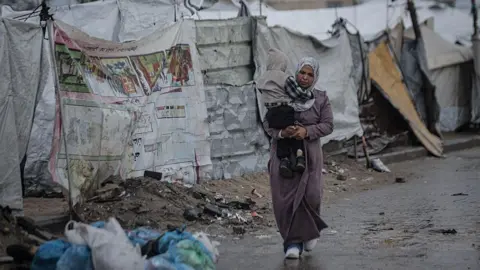
The humanitarian landscape is grim; heavy rain has caused sewage systems to overflow in crowded tent camps, while essential reconstruction materials are still barred from entering Gaza. Oxfam officials express frustration at the slow pace of recovery as aid negotiations yield limited outcomes.
Even with the establishment of a new Palestinian technocratic committee, Hamas appears to consolidate its power, enforcing strict oversight, imposing new taxes, and increasing checkpoints. The potential for an effective peace process seems precarious as conflicting interests and ongoing violence overshadow hopes for a resolution.
Observations from the UN suggest the urgency of progress as the choice between renewed conflict or a sustainable peace remains at a tipping point, complicated by external influences and internal strife.