The Gulf nations are reeling from a series of Iranian attacks as the conflict involving the US and Israel entered its fifth week, specifically targeting major industrial infrastructures.
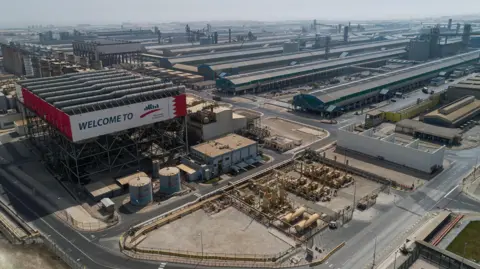
The United Arab Emirates reported injuries following an attack on a key aluminium production facility in Abu Dhabi, with Emirates Global Aluminium highlighting significant damage. In addition, Aluminium Bahrain confirmed casualties among its workforce due to an assault on one of the world’s largest aluminium smelting operations.
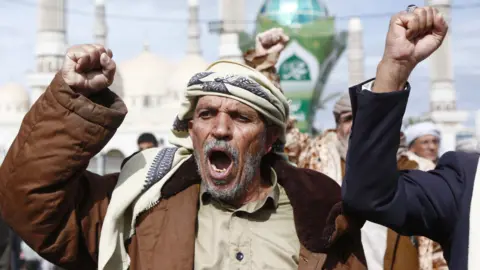
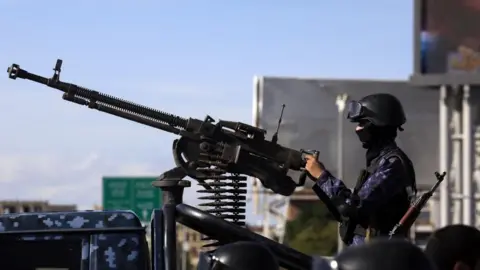
The conflict intensified as Yemen's Iran-backed Houthis engaged, launching missile strikes aimed at Israeli military targets, heightening concerns about disruption to shipping routes in the Red Sea and the energy markets.
Iran has succeeded in strategically closing the Strait of Hormuz, a vital channel for global oil supplies, exacerbating the rise in oil and gas prices.
Warnings have been issued regarding potential Houthi attacks on shipping, echoing prior aggressive stances taken in support of Hamas in the wake of the recent Gaza conflict.
Further complicating the situation, Oman reported unclaimed drone attacks impacting a foreign worker and damaging infrastructure at its port of Salalah, alongside Kuwait's reports of drone strikes affecting its international airport's radar system, illustrating the widening scope of violence.
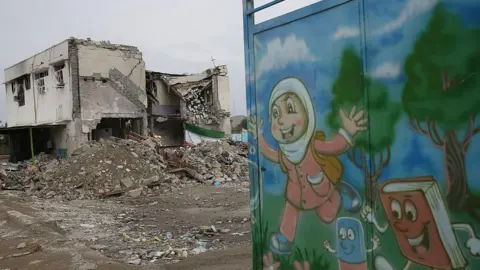
Iran’s Islamic Revolutionary Guard Corps (IRGC) also articulated threats of retaliation against the US and Israel following attacks on Iranian educational institutions, underlining the conflict’s potential for escalation into a larger regional war.
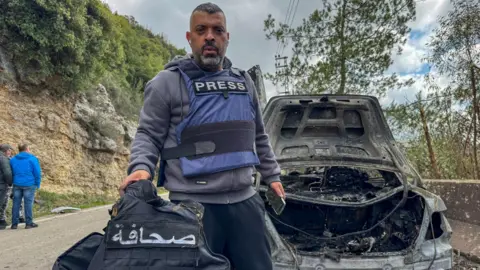
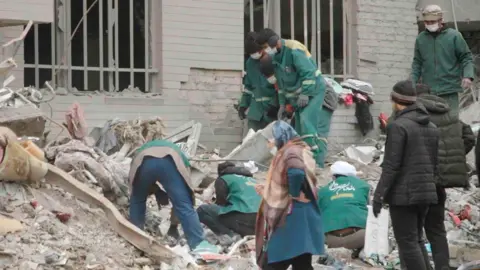
In parallel, Israel's military actions continued in Iran and Lebanon, resulting in casualties among journalists, as governmental forces justified their actions against perceived threats.
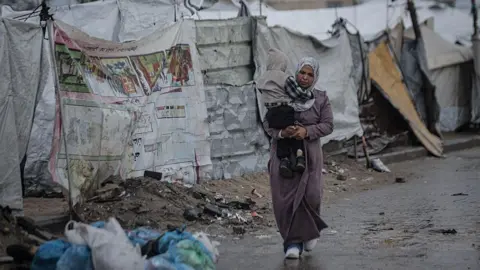
As hostilities persist, the impact on civilian lives and infrastructure raises urgent calls for international mediation and a reassessment of foreign policies impacting the volatile Middle East landscape.