
In brief
A petition filed by two Ghanaians at the International Criminal Court seeks an investigation into repeated attacks on migrants in South Africa, claiming a crime‑against‑humanity pattern. The South African foreign ministry argues the plea does not meet the ICC’s legal threshold, stating local courts are equipped to handle such cases. Tensions over migration are rising, with the country reporting tens of thousands of deportations and an increasing number of foreign nationals choosing to flee for safety. The case highlights growing concerns surrounding xenophobia and the government's response to unrest around undocumented migrants.
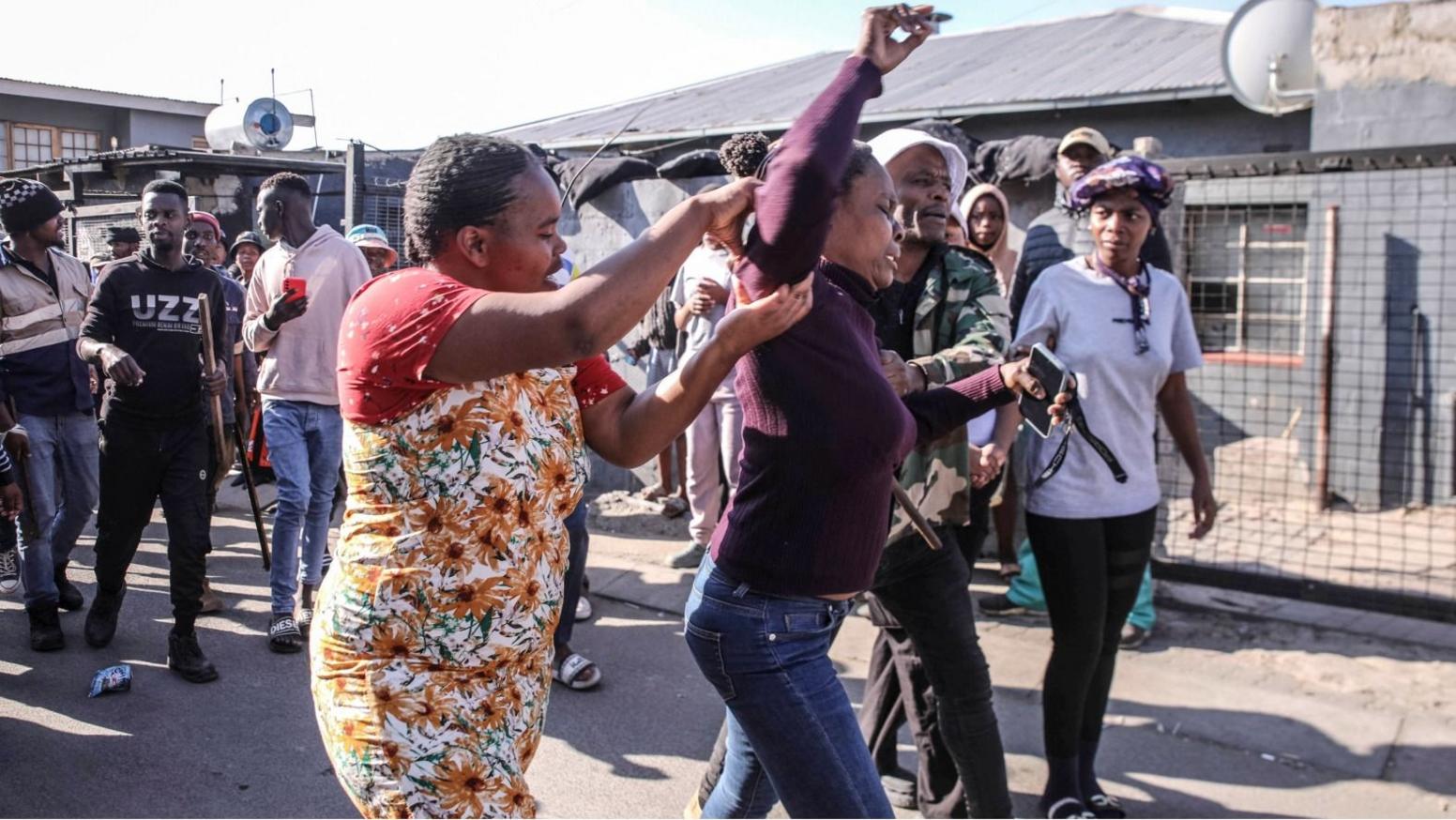
Two Ghanaians filed a petition with the International Criminal Court last week, alleging that repeated assaults on foreign nationals in South Africa amount to crimes against humanity and demanding state accountability. The court request is rooted in reports from Ghana that one of its citizens was killed during a surge of anti‑migrant protests that have taken the country by storm.
South Africa’s foreign ministry countered, calling the petition “opportunistic” and arguing that the allegations fall short of the ICC’s legal threshold. Officials stressed that the country’s own judiciary is fully capable of addressing the violence and that justice will be served under domestic law.
The government has reported that more than 53,000 foreign nationals have been deported or voluntarily left the country, but a tally from the migrants’ home governments suggests that the figure may exceed 160,000 in the past two months alone. The rapid exodus is largely driven by cases of intimidation and the looming June deadline set by anti‑migrant groups for undocumented migrants to depart.
African Union leaders and the Regional Economic Community of West African States have urged South Africa to curb violence and protect all foreign nationals within its borders. President Cyril Ramaphosa has condemned attacks on migrants, warning citizens against taking the law into their own hands while affirming the nation’s commitment to rule of law and human dignity.
With more than three million documented foreign nationals in the country, the situation underscores the larger debate on migration, both in terms of economic opportunity and social cohesion. The outcome of the ICC petition remains uncertain, but it marks a critical moment in South Africa’s stance on migrant protection and regional diplomatic relations.

