
In brief
Ghana has introduced a strict biometric verification rule, requiring every business and institution to scan national ID cards using a mobile app. The National Identification Authority (NIA) warns that photocopying or visual checks of the Ghana Card will now be illegal, with penalties of up to 24,000 cedis for organisations and 6,000 cedis for individuals. The rule underscores the growing use of biometric data—10 fingerprints, iris scans, a photograph and a signature—to curb fraud. NIA officials urge rapid adoption of digital checks and plan to brief the public on implementation measures.
All businesses and other institutions must now use a biometric mobile‑app scanner to confirm national identity cards under new regulations aimed at tightening security and fighting fraud.
Until now many simply read the card or made a photocopy for their records, a loophole that criminals could exploit by impersonating someone else. The new rule makes it unlawful to photocopy or visually inspect a Ghana Card for any transaction. Any organisation that continues to rely on old methods risks prosecution, with fines up to 24,000 Ghanaian cedis (about $2,100) while individuals may face fines up to 6,000 cedis (about $525).
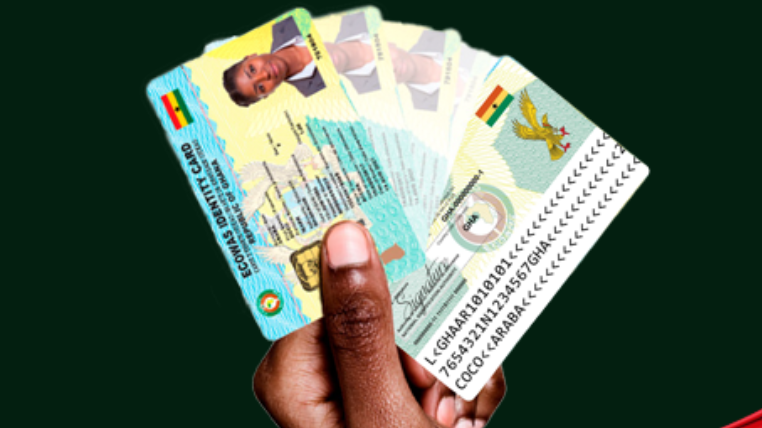
The Ghana Card, a plastic biometric national ID introduced over the last decade, is central to everyday life here. It is required for banking, SIM registration, passport applications and driver’s licences. The card holds 10 fingerprints, iris scans, a photograph and a signature, all managed by the National Identification Authority (NIA).
Going forward, anyone verifying a card will need to use a mobile phone app that authenticates the biometric data after scanning the card’s embedded chip. “Biometric verification is now mandatory,” said Wisdom Yayra Koku Deku, chief of the NIA.
In the coming days, the government will brief the public on how to implement these changes. Organisations already connected to the NIA’s digital identity verification system should continue to use it, while those yet to adopt it are urged to start the process immediately.
Additional reporting by Thomas Naadi in Accra.

