Israeli Prime Minister Benjamin Netanyahu has ordered his government to begin direct talks with Lebanon, he said in a statement on Thursday.
Netanyahu stated that the discussions would focus on the disarmament of Hezbollah, the Iran-backed Lebanese political and militant group, and the establishment of peaceful relations between the two nations.
A US State Department official sanctioned a meeting for next week to discuss ongoing ceasefire negotiations between Israel and Lebanon.
However, Lebanese officials have called for an immediate ceasefire to be established before any negotiations commence. In a subsequent address, Netanyahu insisted, There is no ceasefire in Lebanon.
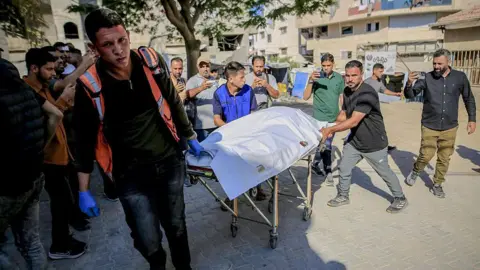
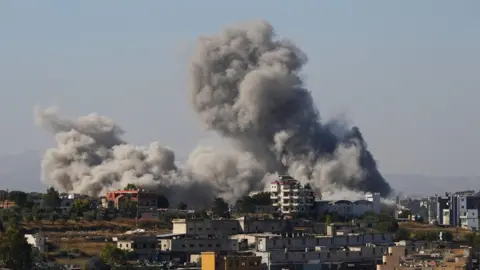
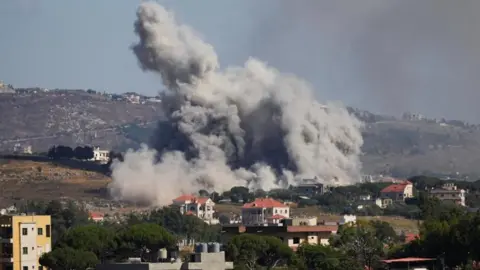
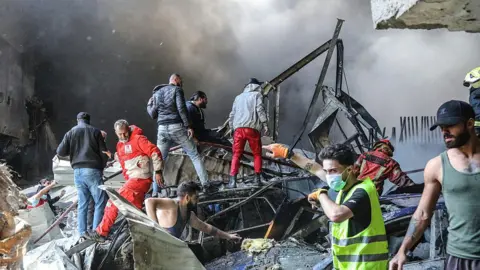
On the ground, the Israeli military has continued its air strikes on Lebanon, targeting Hezbollah rocket launch sites in southern areas, while also issuing an evacuation warning for residents in the southern suburbs of Beirut.
The head of the World Health Organization (WHO), Tedros Adhanom Ghebreyesus, reported that ongoing airstrikes included areas critical for medical facilities, with over 450 patients relying on two major hospitals now facing evacuation threats.
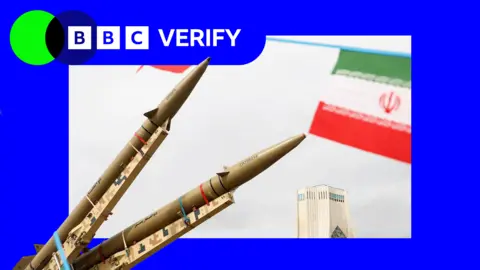
The situation remains dire as confusion persists over whether current ceasefire terms apply to Lebanon, and Iran has reacted by threatening to halt shipping through the Strait of Hormuz following the escalated Israeli bombardments.
Israel’s forces are occupying substantial regions of southern Lebanon, contributing to significant destruction of civilian areas, complicating efforts to address the conflict without a commitment to a temporary ceasefire. With Hezbollah's military capabilities still intact, negotiations may not result in meaningful consequences without adequate leverage from the Lebanese government.
Lebanon's Cabinet recently directed security forces to enforce restrictions on weapons within Beirut, emphasizing the need to centralize military power through state institutions.
Netanyahu's office responded positively to Lebanon's call for demilitarization of the capital, and negotiations on disarming Hezbollah are set to begin next week in Washington, underlining the ongoing tension.
This recent surge in conflict follows a long-standing cycle of violence initiated partly as retaliation to events such as the killing of Iran's supreme leader, adding complexity to an already volatile situation, which has seen over 1,800 casualties and numerous displacements among the Lebanese populace.