The World Health Organization (WHO) has issued a warning that it could take as long as nine months to develop a vaccine against the latest Ebola outbreak in the Democratic Republic of Congo (DRC). With confirmed cases on the rise, the need for a timely response has never been greater.
Currently, two candidate vaccines are being developed specifically for the Bundibugyo species of the virus, which has resulted in 600 suspected cases and 139 suspected deaths as reported by WHO officials. The exact numbers are anticipated to grow as detection efforts continue.
According to WHO chief Dr. Tedros Adhanom Ghebreyesus, 51 cases have already been confirmed in the outbreak's epicenter in DRC’s Ituri province and North Kivu province, alongside two cases in neighboring Uganda, one of which had resulted in death. The organization declared the epidemic a public health emergency of international concern, though it is not classified as a pandemic.
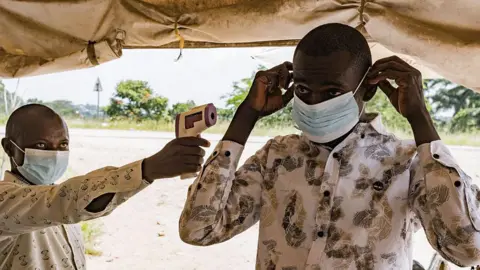
Dr. Tedros emphasized the high national and regional risk posed by the epidemic while noting that it represents a lower threat on a global scale. He highlighted ongoing discussions about the situation, confirming that local healthcare facilities are inundated with suspected Ebola cases, leaving them short on space and resources for treatment.
As authorities rush to contain the outbreak, the UK government has pledged £20 million to support frontline health workers, improve infection control measures, and enhance disease surveillance in the affected areas. This funding comes at a critical time when local health services are reporting overwhelming demand as they deal with potential cases of the virus.
The WHO has pointed out that this current outbreak is particularly challenging, partly due to the historical rarity of the Bundibugyo species, which has previously caused two outbreaks, both in Uganda and DRC, leading to high mortality rates. Meanwhile, the health organization continues efforts to prioritize the development of promising vaccine candidates while urging collaboration and understanding in the global response to the outbreak.