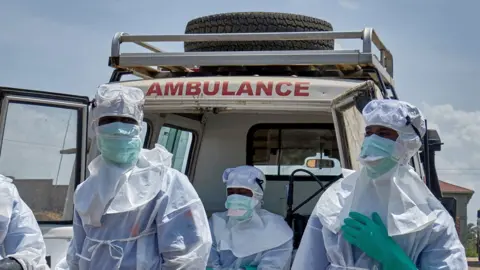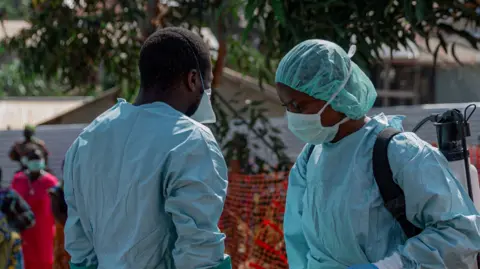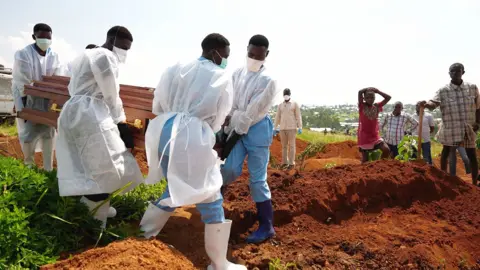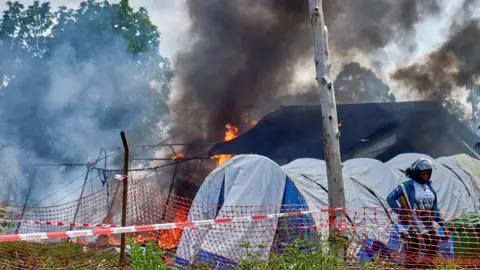
In a recent briefing, a World Health Organization (WHO) representative has raised alarms that the Ebola outbreak in the Democratic Republic of Congo is spreading faster than initially feared. The outbreak has claimed at least 131 lives, with over 513 suspected cases reported as of Tuesday.
Dr. Anne Ancia emphasized that ongoing investigations reveal an alarming pattern of cases extending into other regions, and modeling by the MRC Centre for Global Infectious Disease Analysis suggests that actual cases could exceed 1,000, indicating substantial under-detection.
WHO's chief, Tedros Adhanom Ghebreyesus, expressing deep concern over the outbreak's scale and speed, declared it an international emergency last week. The epidemic may have been in progress for weeks before its detection on April 24.
The specific strain of Ebola involved, known as the Bundibugyo strain, currently has no vaccine, although the WHO is evaluating potential protective treatments. This strain has previously caused severe outbreaks, with mortality rates as high as one-third of those infected.
Dr. Ancia noted that the most affected area, Ituri province, is incredibly unstable, complicating containment efforts. The outbreak's reach has extended into South Kivu and even reached the city of Goma, further increasing the risk of contagion due to high population mobility.
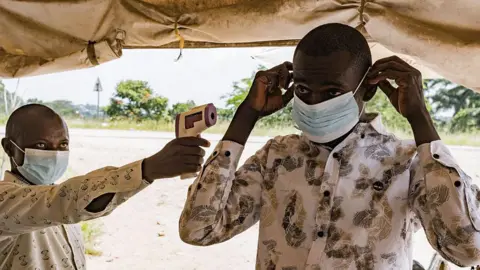
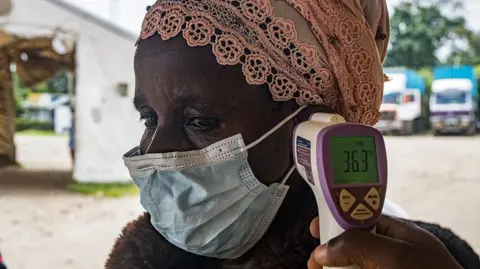
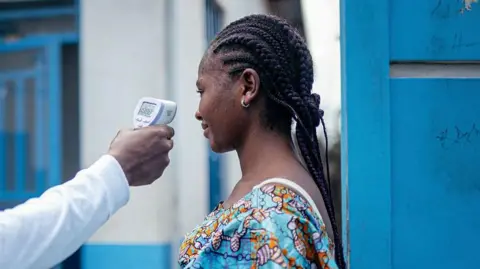
Surrounding countries are bolstering their defenses, implementing strict border screenings, and Rwanda has already closed its borders with DR Congo in response to the outbreak. An American citizen exhibiting symptoms is undergoing evacuation for treatment in Germany, highlighting the outbreak's broad implications.
The Ebola virus initially presents flu-like symptoms, which can rapidly progress to severe health crises. The global health community is on high alert as they grapple with this emerging health threat.