An oil spill which has been blamed on a Russian attack in Ukraine has polluted a major river in Moldova, prompting authorities to cut water supplies to the northern city of Balti. Ukrainian authorities reported that oil began leaking after a Russian strike on the Dniester hydroelectric plant on March 7, with slicks appearing on the Dniester river by March 10—an essential water source for most of Moldova and parts of southwestern Ukraine.
In response, Moldova imposed a 15-day state of alert in the Dniester river basin as a precaution. The Moldovan foreign ministry summoned Russia's ambassador, showing him a bottle of polluted water from the Dniester. Reaction from the ambassador was uncommunicative as he left the meeting, according to Moldovan media.
Moldovan Environment Minister Gheorghe Hajder stated that water supplies would only be restored once oil levels are reduced to the safe limit of 0.1 mg per litre. Recent readings indicated levels in Balti and surrounding northern areas were too high to allow for safe water distribution, impacting more than just Balti as three other northern towns face similar crises.
The oil pollution has not only affected Moldova; it has also contaminated supplies in the Chernivtsi, Vinnytsya, and Odesa regions of Ukraine as per Iryna Ovcharenko, the Ukrainian Deputy Minister.
Schools in Balti transitioned to online learning as local authorities focus on distributing tankers of drinkable water. President Maia Sandu, a pro-European leader, has condemned Russia for the pollution, ensuring that the issue is spotlighted internationally.
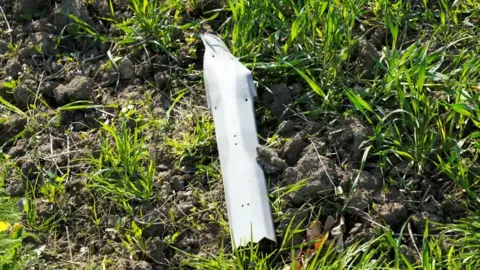
In addition to environmental concerns, reports have also indicated the presence of military action, with Moldovan police confirming an 'active' Russian drone was found within its borders, raising further alarms amid the ongoing crisis.}
In response, Moldova imposed a 15-day state of alert in the Dniester river basin as a precaution. The Moldovan foreign ministry summoned Russia's ambassador, showing him a bottle of polluted water from the Dniester. Reaction from the ambassador was uncommunicative as he left the meeting, according to Moldovan media.
Moldovan Environment Minister Gheorghe Hajder stated that water supplies would only be restored once oil levels are reduced to the safe limit of 0.1 mg per litre. Recent readings indicated levels in Balti and surrounding northern areas were too high to allow for safe water distribution, impacting more than just Balti as three other northern towns face similar crises.
The oil pollution has not only affected Moldova; it has also contaminated supplies in the Chernivtsi, Vinnytsya, and Odesa regions of Ukraine as per Iryna Ovcharenko, the Ukrainian Deputy Minister.
Schools in Balti transitioned to online learning as local authorities focus on distributing tankers of drinkable water. President Maia Sandu, a pro-European leader, has condemned Russia for the pollution, ensuring that the issue is spotlighted internationally.
In addition to environmental concerns, reports have also indicated the presence of military action, with Moldovan police confirming an 'active' Russian drone was found within its borders, raising further alarms amid the ongoing crisis.}