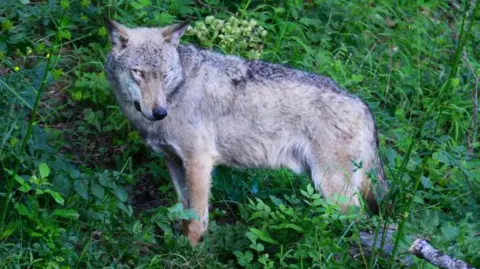
Poisoning is suspected in the deaths of 18 wolves within a few days in a national park that straddles three regions of central Italy.
After the carcasses of 10 wolves were found last week, another eight were discovered when patrols were intensified in recent days at the Abruzzo, Lazio, and Molise National Park.
The park authority indicated that traces of suspected poisoned bait had been located in the vicinity where five of the wolves were initially found dead, and the latest discoveries raised very strong suspicion of further poisoning.
The authority stated that they are working to establish the cause of death and are collaborating with local public prosecutors.
Initial suspicions have been supported by tests carried out by the local animal health research institute IZS, which found the presence of pesticides commonly used in poisoned baits.
Out of the deceased wolves, thirteen were sent to the institute in Teramo, confirming the alarming presence of agricultural pesticides.
Italy's Environment Minister, Gilberto Pichetto Fratin, condemned the killings as horrendous and serious, emphasizing that the protection of wolves is crucial for the balance of the ecosystem.
The Institute for Environmental Protection and Research (Ispra) lamented that these incidents undermine significant advances in animal protection and conservation.
It highlighted the risks of poisoned bait to other protected wildlife, pets, and public safety.
Across Europe, wolf numbers have surged, with a reported 35% increase between 2016 and 2023, particularly in Central Europe and the Alpine regions. Italy's wolf population was estimated at approximately 3,300 according to a 2020-21 census.
However, there are mounting tensions between wildlife conservation and livestock protection, as the transition of wolves from being strictly protected to protected status allows for limited culling, increasing potential threats to these animals.
Stefano Ciafani, leader of the environmental group Legambiente, described the deaths as an unprecedented attack on protected wildlife and fearfully noted that other endangered species, such as the Marsican brown bear, may also be at risk.