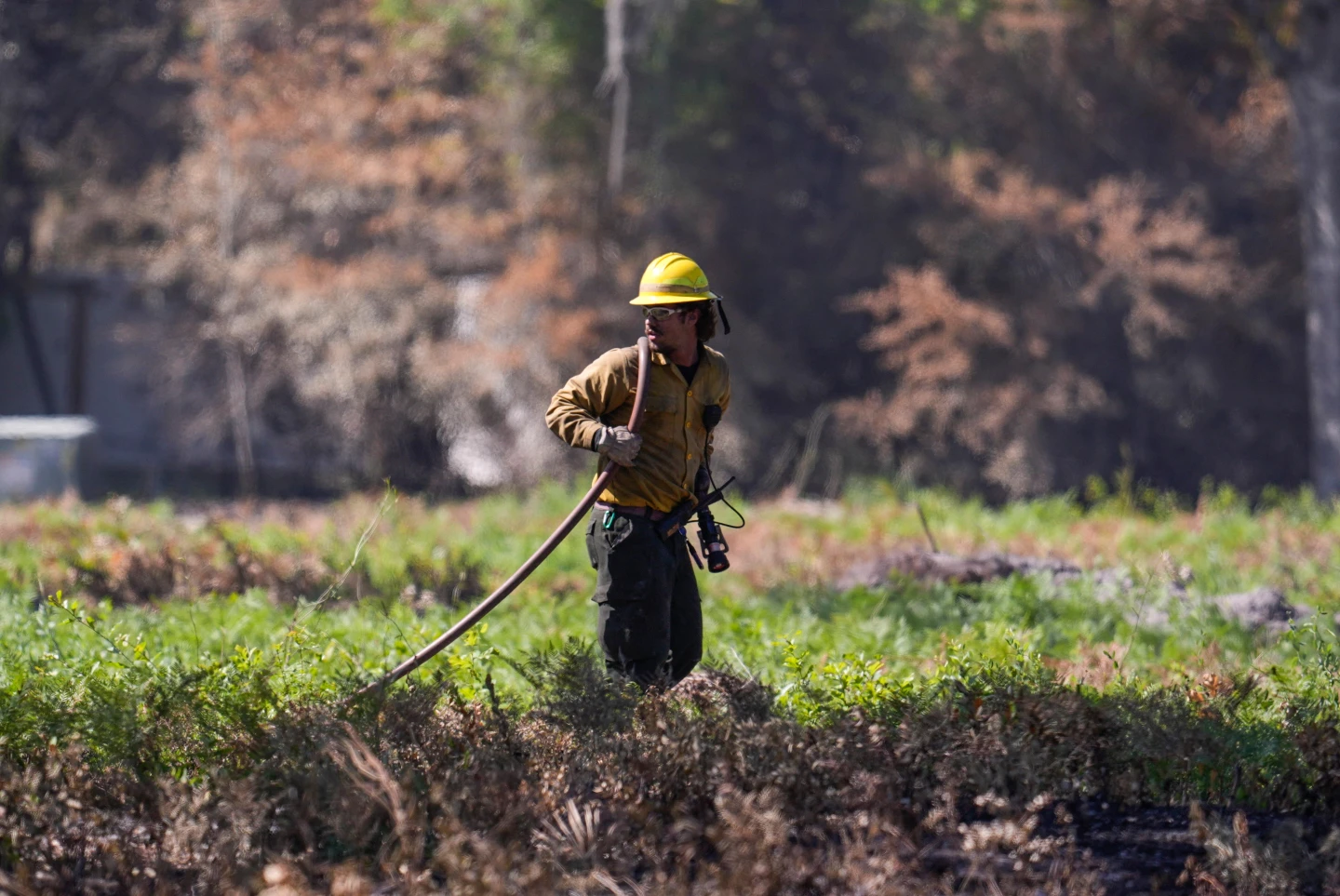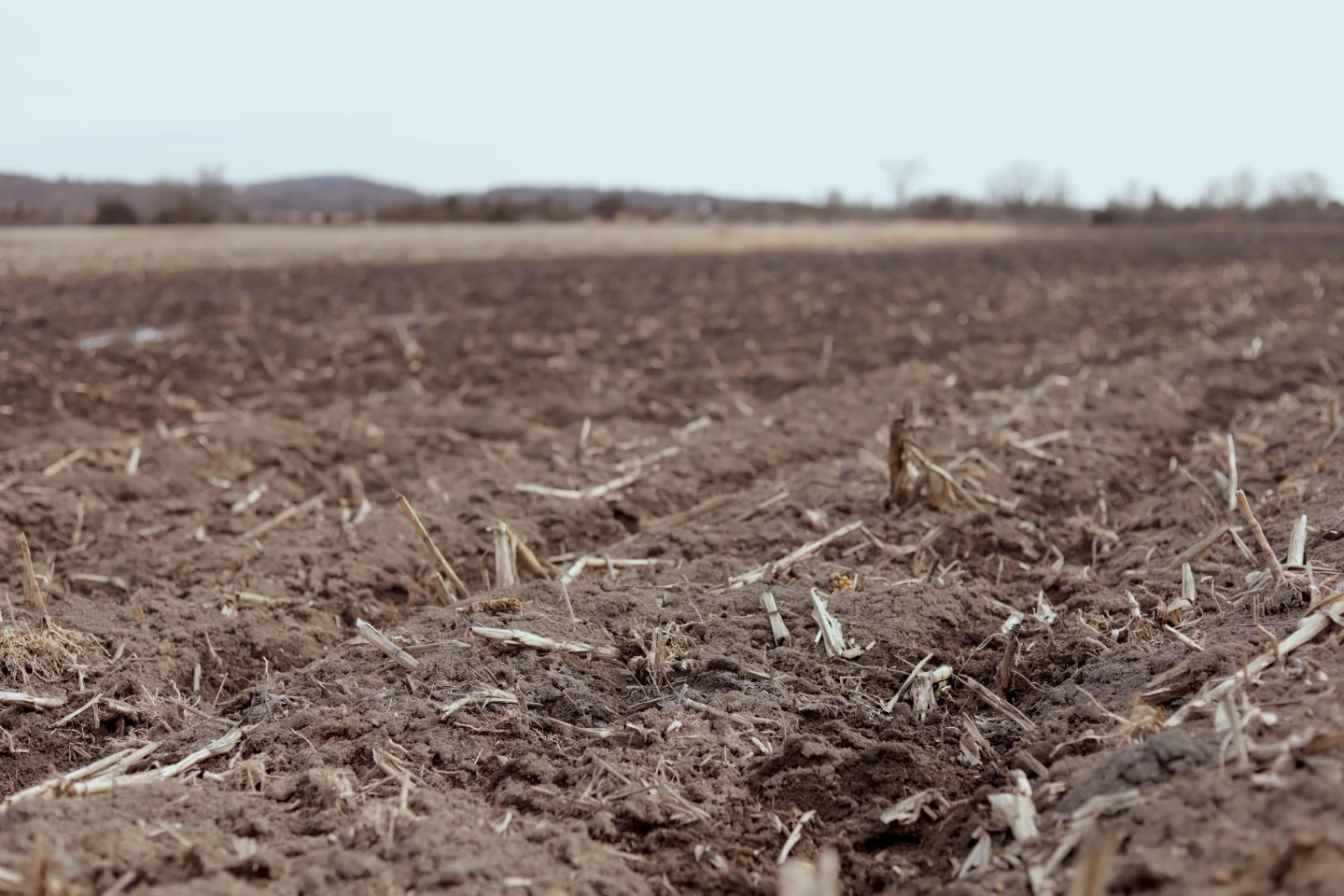
The growing threat of nitrate pollution in Iowa’s drinking water is largely attributed to agricultural practices and climate change. With increasing instances of winter warming, Des Moines, Iowa’s capital, has incurred significant costs to filter out nitrates, which can have dire effects on public health, including risking conditions like cancer and infant blue syndrome.
This winter, for only the second time in three decades, Des Moines had to activate its expensive nitrate filtration system in January and February, marking a concerning trend attributed to altered rainfall patterns and a warmer atmosphere. As rainfall increases, particularly during winter and early spring, contaminants from agricultural runoff enter rivers and aquifers more easily.
Experts like Iowa's state climatologist, Justin Glisan, have warned that warmer winters will lead to more frequent instances of elevated nitrate levels in water supplies. He stated, While these events won’t happen every year, the conditions are ripe for them to occur more often. Many residents are left to bear the costs of these pollution events, which are expected to drive higher water bills.
Furthermore, low-income and rural communities bear the brunt of this crisis, as not all areas have potable water infrastructure capable of filtering high nitrates. Samuel Sandoval Solis of the University of California-Davis points out that about 15% of Americans depend on private drinking water wells, which are vulnerable to nitrate infiltration.
As the landscape of climate change continues to evolve, so too must the strategies for water conservation and pollution management across the agricultural-dominated areas of the state. A collaborative effort among stakeholders, including farmers, policymakers, and environmental advocates, will be essential to safeguard the future of Iowa’s water quality.