Congressional Republicans have sent a resolution to President Donald Trump aimed at lifting a federal ban on mining operations near Minnesota’s Boundary Waters Canoe Area Wilderness. This initiative is seen as a potential pathway for a South American company to extract valuable metals from the region's unspoiled forests, lakes, and wetlands.
Despite warnings from conservationists about the possible ecological devastation, House Republicans approved the resolution last month, followed up by a narrow Senate vote of 50-49 to proceed to the President’s desk.
Democratic senators from Minnesota, Amy Klobuchar and Tina Smith, have voiced their concerns, arguing that ending the ban could set a dangerous precedent for other public lands across the nation. Klobuchar, meanwhile, has labeled the Boundary Waters as a cherished symbol of Minnesota’s natural heritage.
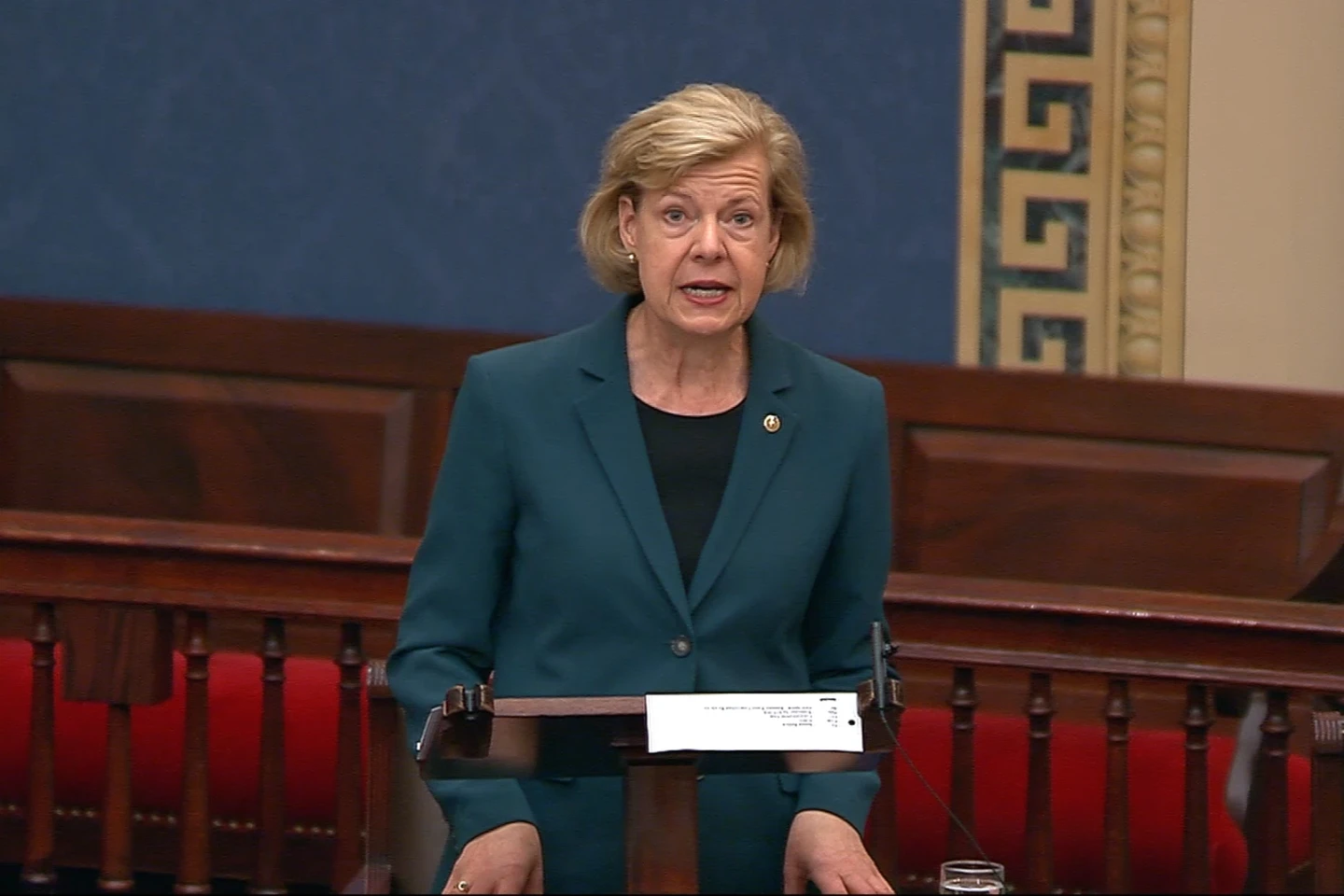
Addressing the Senate, Smith stated, You can support mining, but that does not mean you support every mine in every place, emphasizing the unique qualities of the Boundary Waters that must be preserved.
Notably, the Boundary Waters Canoe Area Wilderness, stretching 150 miles along the Minnesota-Canada border, is characterized by its stunning natural beauty, home to sprawling forests and tranquil lakes, attracting numerous outdoor enthusiasts annually.
The region sits above the Duluth Complex, rich in minerals such as copper, nickel, silver, and gold. Twin Metals Minnesota LLC, a subsidiary of Chilean mining company Antofagasta, has previously outlined plans to mine these valuable resources, promising job creation and economic benefits for northeastern Minnesota communities.
However, the proposal has faced significant opposition, with environmental advocates warning about potential pollution threats to local ecosystems, particularly wild rice which holds cultural significance for the Chippewa tribes. Protests have even been organized, including a demonstration outside Rep. Stauber’s office, voicing resistance against lifting the mining ban.
The debate continues to intensify around the intersection of conservation, local identity, and economic aspirations as the resolution awaits Trump’s anticipated signature. Future mining endeavors may still face legal hurdles and public opposition, potentially slowing progress despite the current push from the Republican-led Congress.