SAN DIEGO (Extended Report) — The air is thick with the stench of sewage in neighborhoods near the Tijuana River, as untreated waste continues to flow across the border from Mexico.
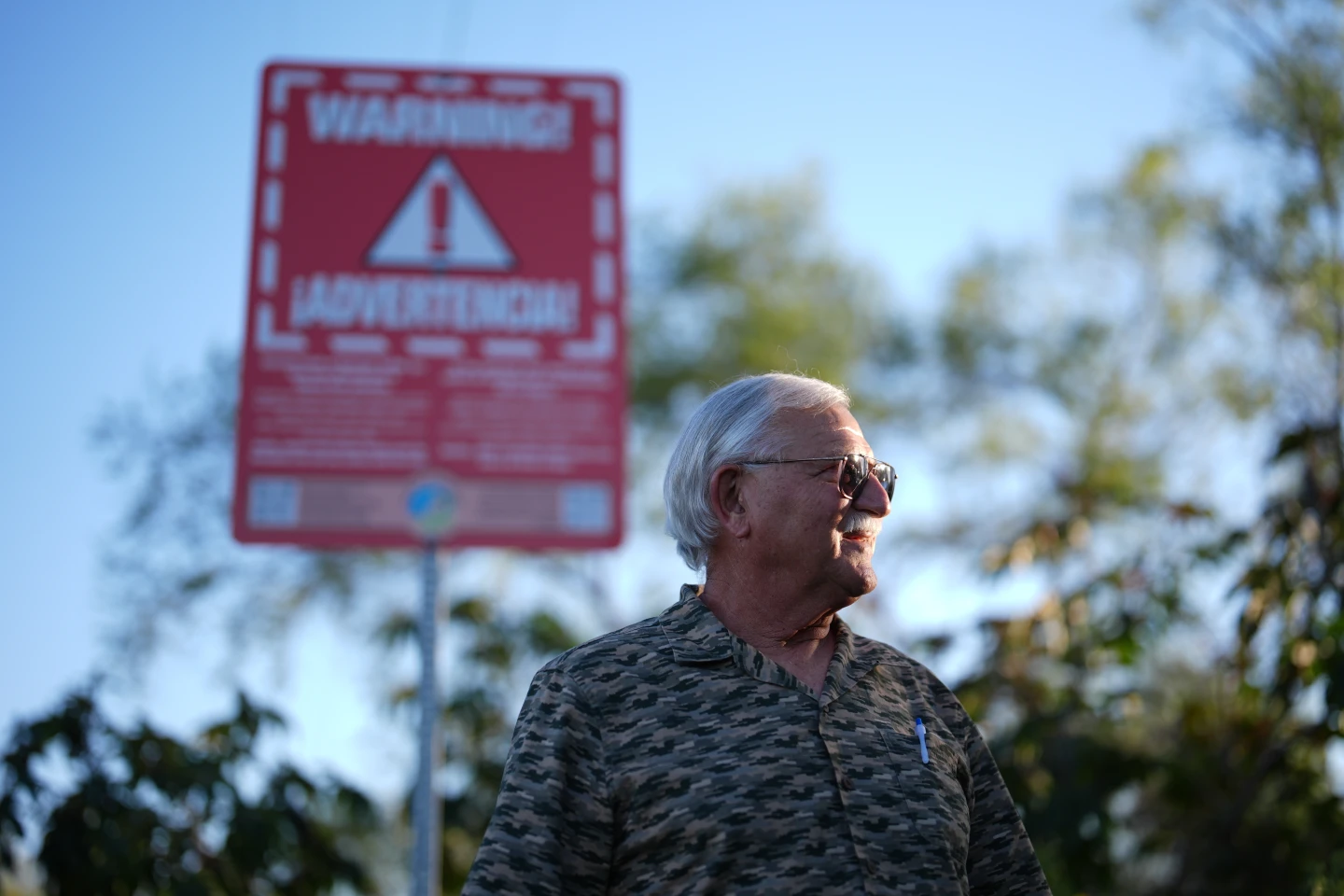
Residents like Steve Egger, who has had to invest in hospital-grade air filters and suffers ongoing respiratory issues, voice desperation amidst the crisis. The river has seen over 100 billion gallons of effluent infiltrate its banks, bringing not only unpleasant odors but a cocktail of health hazards.
The International Boundary and Water Commission reported more than 100 billion gallons of raw sewage have been dumped into the river since 2018, affecting the local environment and the health of those living in proximity.
Environmental Protection Agency Administrator Lee Zeldin acknowledged during a recent visit that the situation will require significant time and effort to remedy, estimating a two-year timeline to begin addressing this environmental emergency. The long-neglected health effects are particularly severe for vulnerable populations living along the riverbanks.
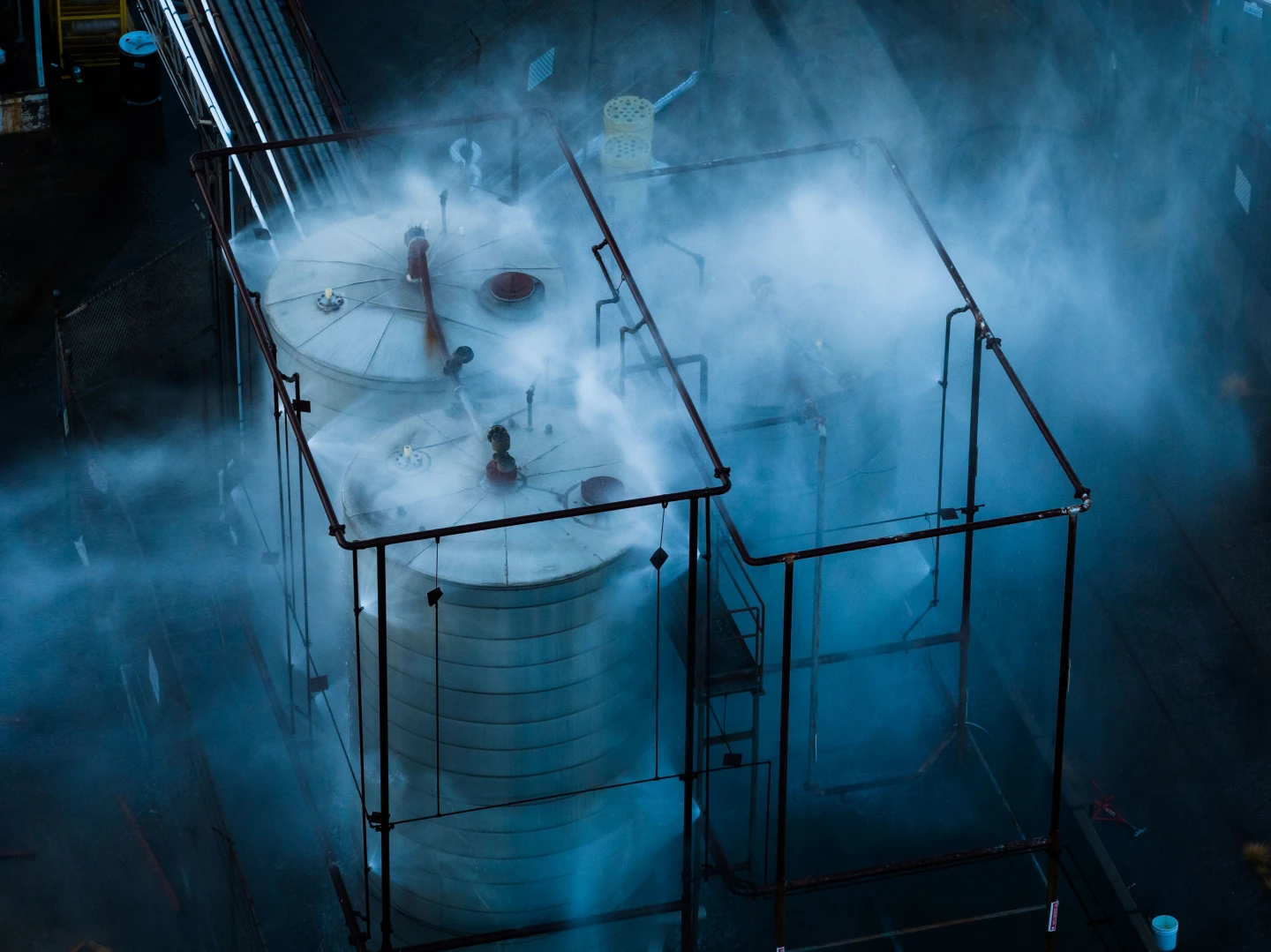
The impacts of hydrogen sulfide gas emissions from the sewage stretches beyond mere smell, with studies confirming links to various health problems including severe breathing issues and neurological damage. Local healthcare providers report increased patient loads during peak river flows, correlating with the noxious gases released into the atmosphere.
While new legislative measures aiming to regulate these discharges are in discussion, the existing state and federal safety standards for hydrogen sulfide remain outdated and offer little guidance for affected communities.
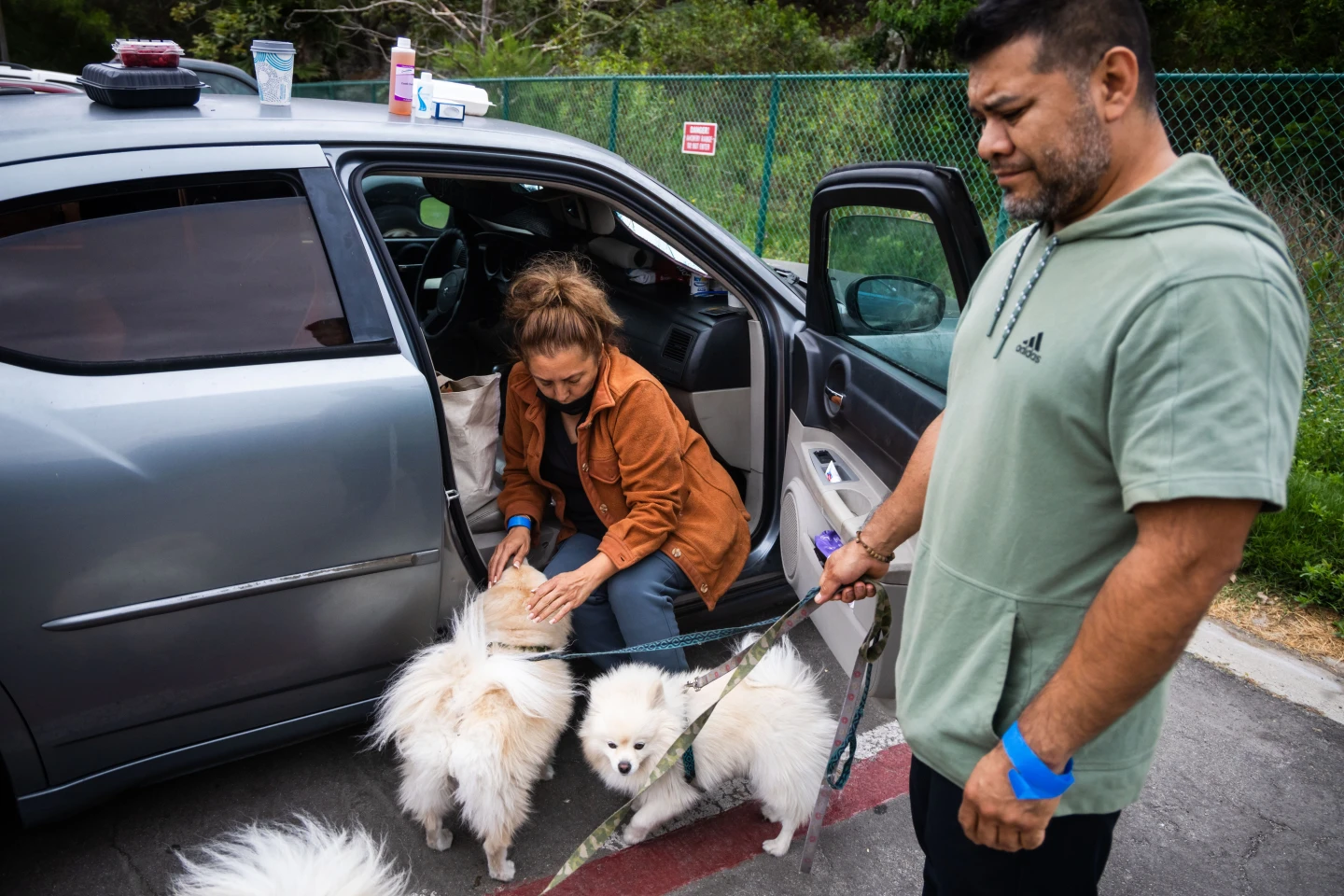
In attempts to alleviate some of the pollution's impacts, the county government has distributed thousands of air filters to households. Yet families like Egger's continue to bear the brunt of this unyielding environmental crisis.
The river's journey, beginning in Tijuana, traverses through California before meeting the Pacific Ocean, but its current state raises questions about the viability of future clean-up efforts. Local residents remain vigilant, demanding immediate action to restore their waterway to its natural state.