Middle Powers at a Crossroads: Navigating a Resurging Global Order
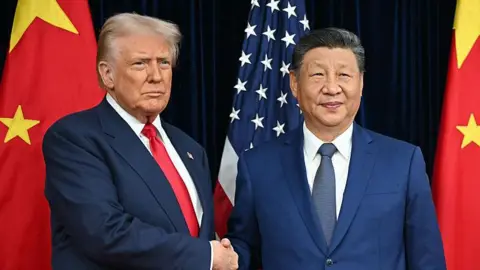
The world is witnessing a shift back to a geopolitical landscape reminiscent of the pre-World War II era, where power dynamics are intensifying and 'middle powers' find themselves in precarious positions. As the United States adopts an increasingly unilateral stance under President Trump's administration, these nations, which often stand between larger powers, must reconsider their strategies.
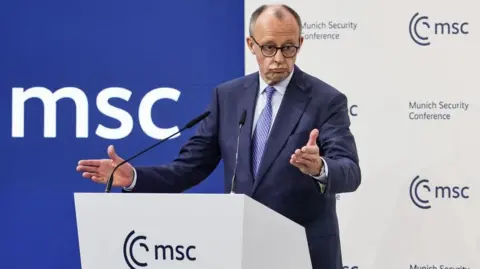
Historically, the end of World War II established the United States and its Western allies at the forefront of a liberal international order, one that sought to stabilize global politics through collective agreements and policies. But current rhetoric and actions from the Trump administration signal a retreat from this order. In recent discussions at Davos, Canada's Prime Minister Mark Carney emphasized the need for middle powers to come together, warning that if they are not included in dialogues around foreign policy, they risk being sidelined.
Trump's often cavalier attitude towards alliances—illustrated by his comments regarding NATO troops and agreements—has heightened concerns among European leaders and other allies. The notion that the 'freeloading' of the past must end resonates with many in the U.S., reinforcing a narrative that reinforces perceived American exceptionalism.
As leaders grapple with how best to directionally guide their nations amid these shifts, the lessons of history echo louder than ever. The post-war order that fostered growth and security was built upon principles of cooperation and mutual benefit. The challenge remains: can middle powers forge a new coalition that can thrive, or will they be left to contend with the emerging great power rivalries without a seat at the table?