Manufacturers Suffering Under Trump's Tariff Policies
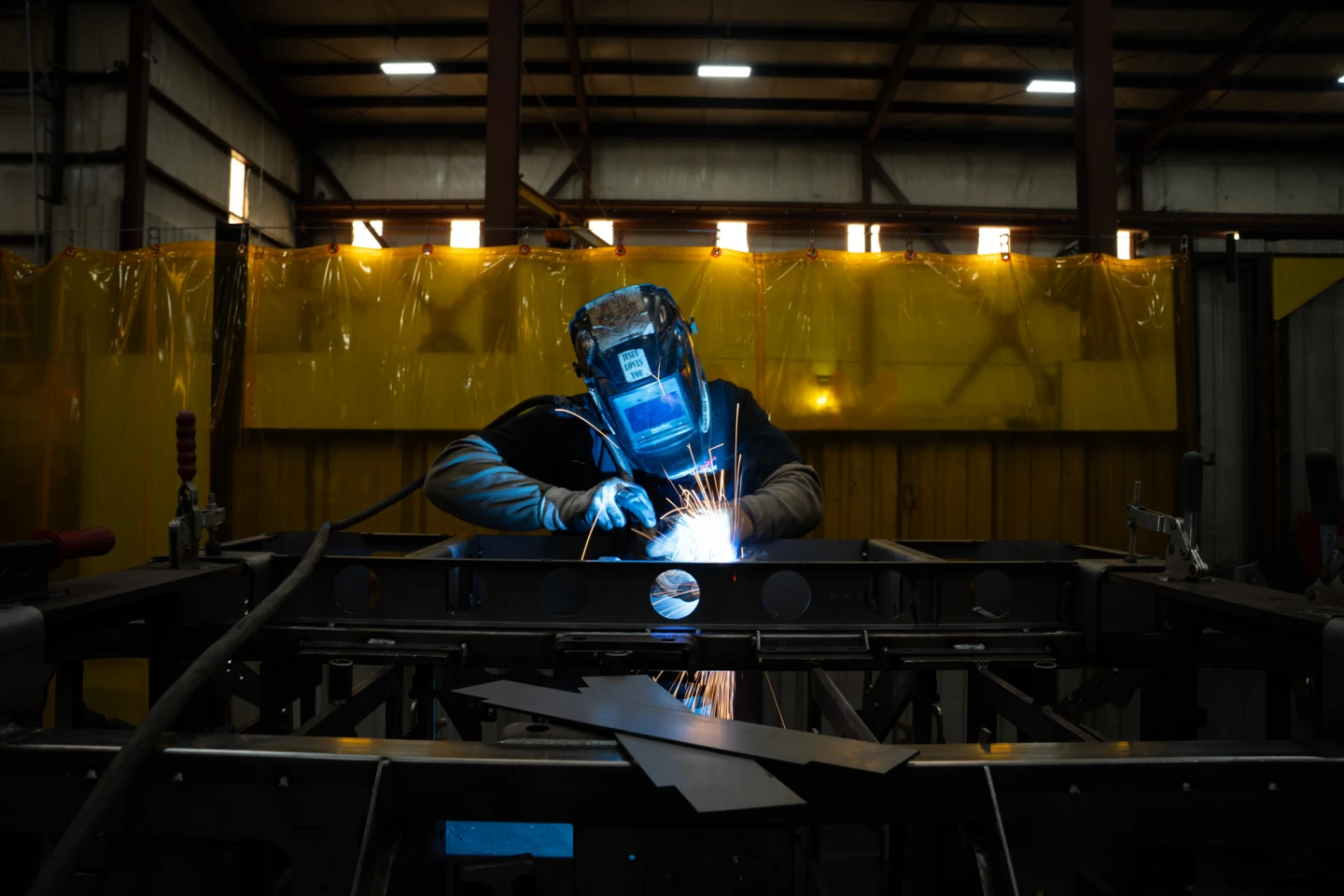
In WASHINGTON, Jay Allen, owner of Allen Engineering Corp. in northeast Arkansas, expresses his disappointment with President Trump's tariff policies, which have drastically affected his business. Initially drawn to Trump for promises of tax cuts and reduced regulations, Allen's optimism quickly turned into concern as the import taxes implemented under Trump's administration escalated his operational costs, particularly for foreign-made engines and steel.
What’s really sad is the unintended consequences of his tariffs are hurting manufacturing in our country,” Allen states, revealing a drop in his workforce from 205 to 140 employees and a reliance on price hikes that may harm sales.
The Wider Impact of Tariffs on Manufacturing
The tariffs, which were intended to protect American manufacturing jobs, have instead led to the loss of approximately 98,000 jobs during Trump's first year back in office. Companies are now confronting a convoluted landscape of tariff changes; many have filed lawsuits against the Trump administration seeking refunds in excess of $130 billion.
Despite government assertions about the high rates of construction spending and the hiring of workers, many in the industry argue that this growth is a byproduct of initiatives by the Biden administration like the CHIPS Act, rather than outcomes of Trump's tariff strategies.
Challenges and Uncertainty Ahead
Uncertainty surrounding tariffs poses a significant barrier to investment in U.S. manufacturing. Allen points out the struggle of securing a $20 million investment to relocate his engine production from Germany to the US due to fluctuating tariff policies. An economist from the University of Toronto highlights the concern that, under current conditions, it may take decades for manufacturing employment to recover.
Overall, as tariffs continue to evolve, the manufacturing sector faces serious challenges in achieving sustainable growth, with many businesses like Allen's caught in the crossfire of economic policy shifts.