In brief
In a recent announcement, Madagascar's government has declared a two-week nationwide energy emergency due to significant fuel shortages caused by the ongoing war in Iran. This decision comes as fears rise over public unrest linked to past incidents of political instability stemming from energy crises. The Indian Ocean island heavily relies on Middle Eastern oil imports, and current disruptions are expected to last. Panic buying has emerged at petrol stations, with some implementing rationing measures amidst soaring anxiety among citizens about the fuel supply. Authorities hope the state of emergency will facilitate measures to manage consumption and ensure the continuity of public services.
Madagascar has declared a two-week nationwide state of energy emergency amid severe fuel shortages caused by the US and Israel's war in Iran.
The presidency stated that this measure was decided during a cabinet meeting, with concerns over potential public disorder prompting the move.
The Indian Ocean island nation, which relies heavily on oil for electricity generation, is dependent on fuel imports from the Middle East. Disruptions in supplies are expected to continue despite a recent ceasefire announcement.
Last year, Madagascar faced extensive protests due to ongoing power and water shortages, which escalated to significant political unrest leading to a military takeover.
The government has not detailed specific measures yet; however, it now claims to possess increased authority to stabilize the power sector, manage consumption, and ensure essential public services are maintained.
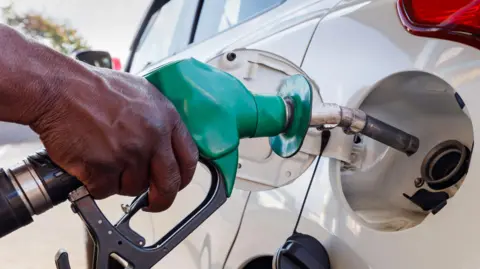
With panic buying reported at petrol stations—where some vendors are rationing purchases—fuel prices have yet to rise amidst the crisis. Most oil supplies to Madagascar come from Oman, a region severely affected by the conflict that began on February 28.
Despite some predictions of recovery, analysts warn that high oil prices and disruptions could linger for months or even years, significantly impacting Madagascar's energy stability.