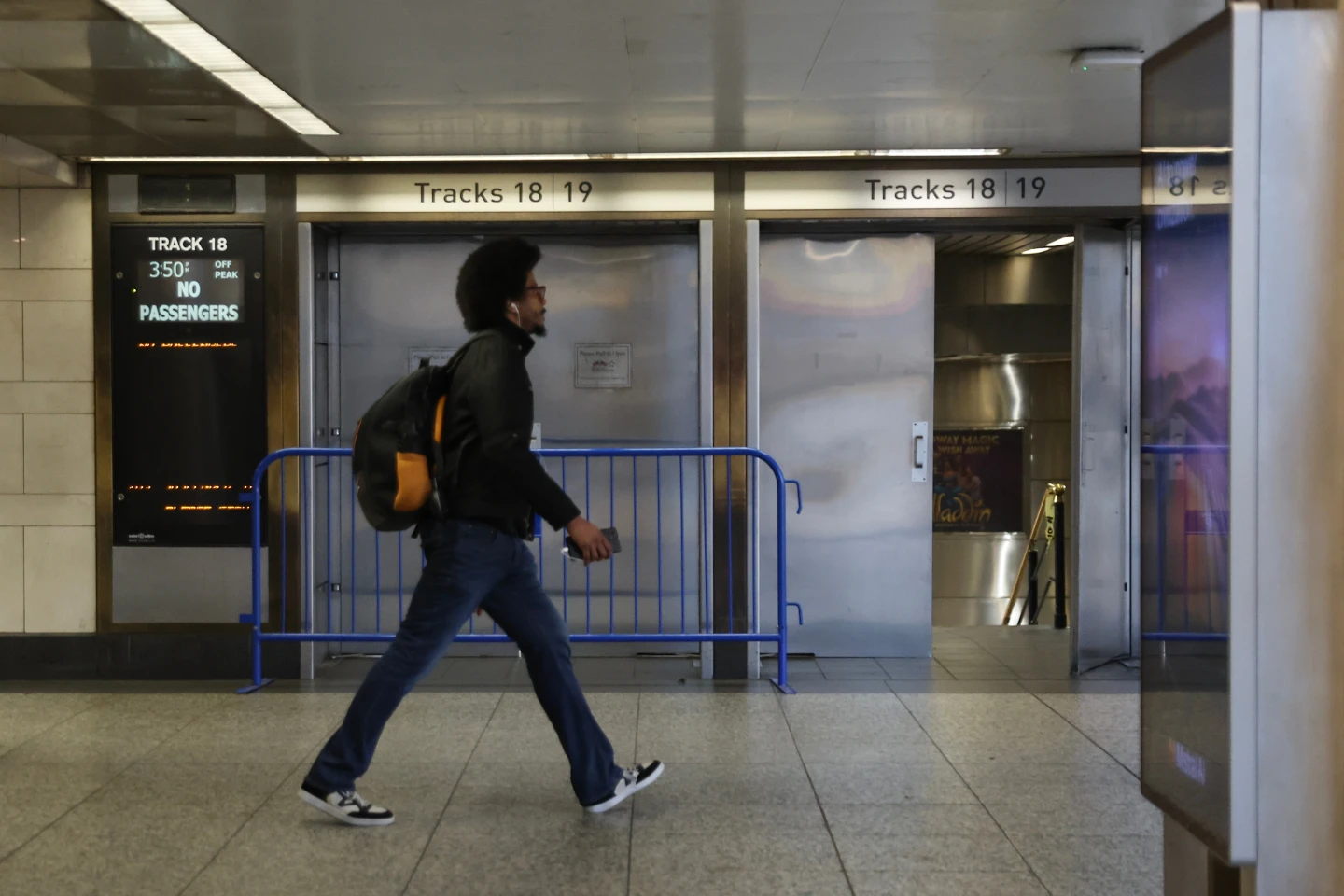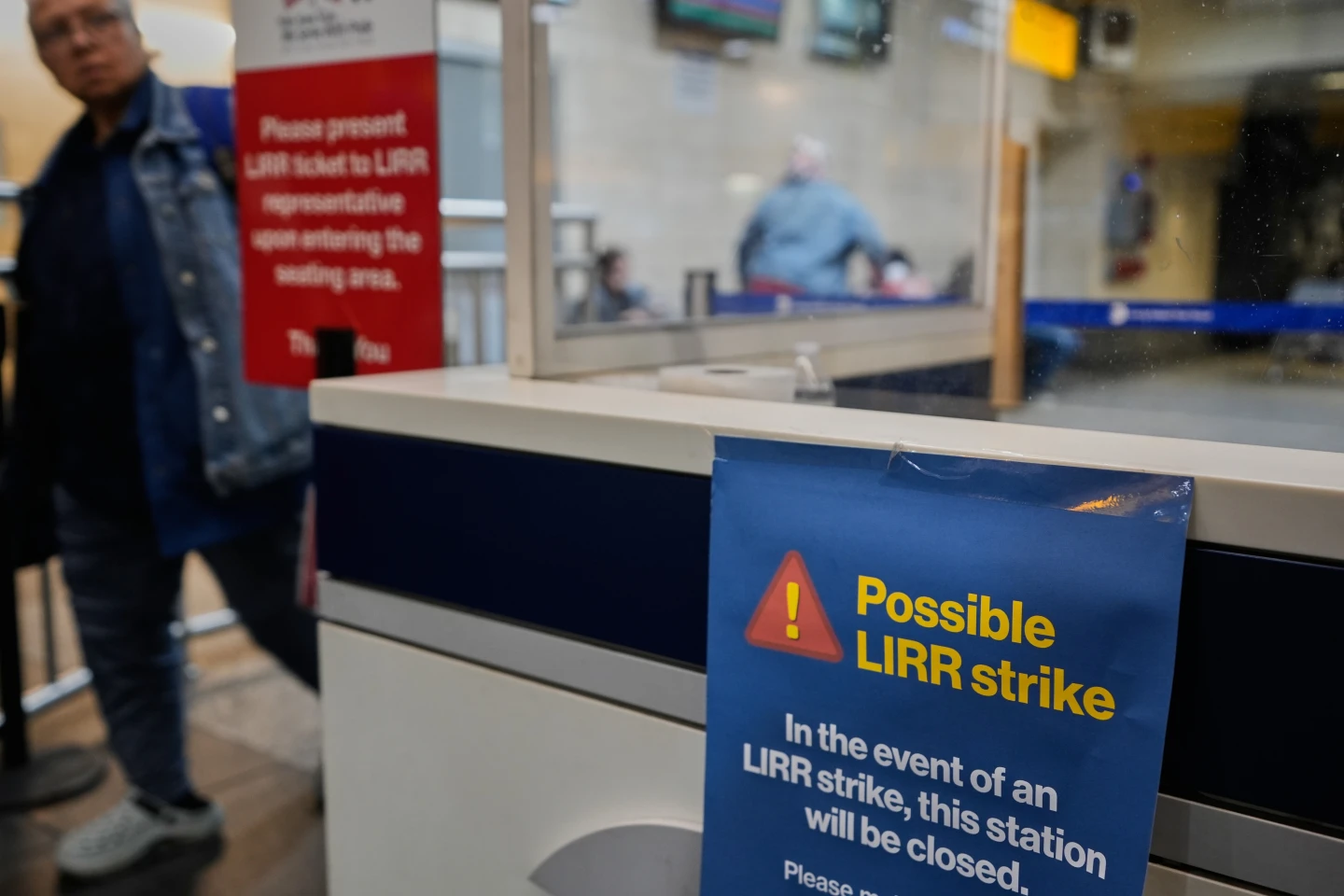
NEW YORK (AP) — Workers on New York’s Long Island Rail Road are on strike, union officials said early Saturday, paralyzing the busiest commuter rail system in North America.
Labor unions representing about half the system’s workers announced the walkout after negotiations with the Metropolitan Transportation Authority (MTA) ended on Friday without a new contract. The five unions, which represent about half of the system’s 7,000 workers, including locomotive engineers, machinists, and signalmen, weren’t legally allowed to go on strike until 12:01 a.m. Saturday.
Kevin Sexton of the National Vice President of the Brotherhood of Locomotive Engineers and Trainmen noted, “We’re far apart at this point. We are truly sorry that we are in this situation.”
The MTA chairman, Janno Lieber, remarked that the agency “gave the union everything they said they wanted in terms of pay” and expressed his belief that the unions always intended to walk out.
The strike will leave roughly 250,000 daily riders scrambling to find alternative routes into New York City from Long Island or resorting to working from home, leading to heightened congestion on already crowded highways.
As the strike unfolds, sports fans could face obstacles getting into the city to enjoy the NBA playoffs or the Yankees-Mets rivalry games this weekend. Governor Kathy Hochul has advised LIRR riders to work remotely during the walkout, with the MTA planning limited shuttle bus services aimed at essential workers.
Dispute over wages and healthcare premiums has fueled this conflict, with the union initially seeking a 16% pay increase over four years, citing the need to match inflation rates. The MTA contended that fulfilling the union's demands might necessitate fare hikes.
As commuters brace for disruptions, many are expressing frustration. Personal trainer Susanne Alberto is pivoting her sessions to virtual meetings while electrician Rob Udle is considering using vacation days to avoid commuting chaos.
The unions last took strike action in 1994, showcasing the gravity of the labor dispute ahead.