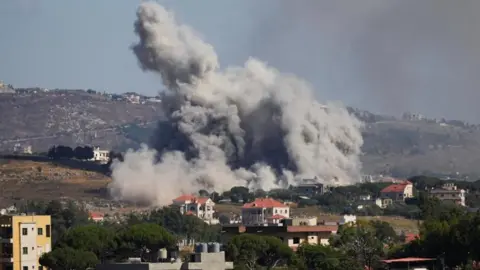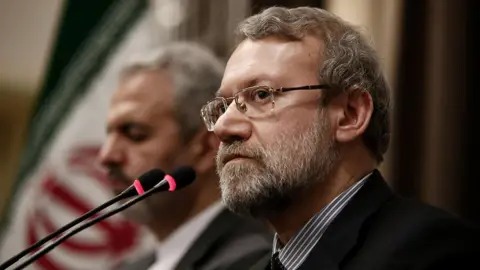
The recent assassination of Ali Larijani, Iran's security chief, in an Israeli airstrike has highlighted a significant leadership crisis within the country. Larijani, recognized as one of Iran's most influential decision-makers, played pivotal roles in shaping military and diplomatic strategies, especially concerning the West and Israel.
As secretary of the Supreme National Security Council, Larijani's voice was crucial in the decision-making process for war and national security. His unexpected death comes after the killing of Supreme Leader Ali Khamenei, suggesting a concerted effort aimed at destabilizing Iran’s leadership during ongoing conflicts.
Despite his hardline views, Larijani was seen as a pragmatist, willing to engage in diplomacy even while remaining skeptical of the West. His involvement in critical diplomatic relationships, such as Iran’s cooperation with China, showcased his balanced approach amid Iran's turbulent international relations.
At the time of his death, Larijani was managing key issues: a protracted war, domestic unrest, and complicated negotiations over Iran’s nuclear program. His absence could lead to an unstable leadership response, potentially prioritizing military actions over diplomatic solutions.
The ongoing leadership vacuum carries substantial risks, particularly as replacement figures may lack the experience needed to navigate Iran’s multifaceted crises. As the situation remains precarious, the power shift could embolden the military and worsen internal repression under an already strained regime.
The ramifications of Larijani's assassination extend beyond his individual role, deepening a leadership crisis that threatens both Iran's geopolitical standing and domestic stability.