In brief
With Tim Cook's departure, Apple marks a significant transition in leadership, welcoming John Ternus as the new CEO. Ternus, noted for his product-focused mindset, faces critical challenges, particularly in the realm of AI, where Apple has been criticized for lagging behind competitors. As the tech giant reconfigures under Ternus, insights into his leadership style and the potential directions Apple may take are unveiled.
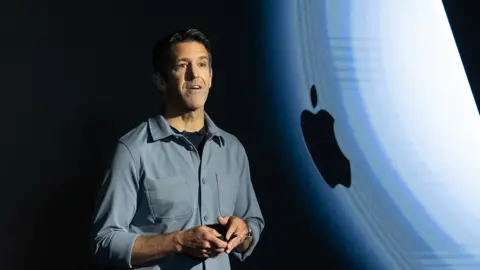
Apple has long been deliberating its future leadership as rumors of Tim Cook's retirement swirled. Stepping into this pivotal role is John Ternus, the vice president of hardware and renowned as a 'product guy'. In a recent casual meeting, Ternus displayed his characteristic charm, laughing off direct inquiries about his succession while praising Cook's leadership. His manner is described as calm and reliable, akin to Cook himself. In contrast to the sometimes turbulent leadership style of co-founder Steve Jobs, Ternus embodies a steady approach, which may be just what Apple needs for the next phase.However, Ternus inherits considerable challenges, particularly regarding artificial intelligence, where Apple has been perceived as moving slowly in integrating AI solutions compared to its competitors. While the company is known for its meticulously curated, incremental innovations—evidenced in its redefinition of smartphone technology with the iPhone—its current cautiousness in the AI revolution may pose risk.The tech industry watches closely as Ternus is expected to navigate through complicated dynamics including partnerships and potential AI investments, balancing the need for innovation with the caution of overextending resources. With a consumer landscape evolving towards AI solutions, he will have to consider if Apple can pivot successfully into larger technologies like robotics.As Ternus steps into this leadership role, industry pundits speculate how his personal experiences might influence his public image and willingness to share more of himself in an age that values authenticity from leaders. Time will tell how effectively he can balance Apple’s reputation for premium, user-centric products with the demands of being a vocal tech figurehead.