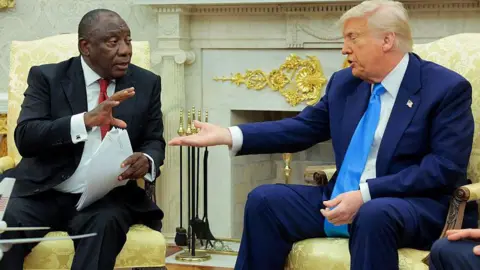
The guns were supposed to have fallen silent. It was, after all, just hours after US President Donald Trump had announced that a two-week ceasefire had been agreed to halt the war in the Middle East.
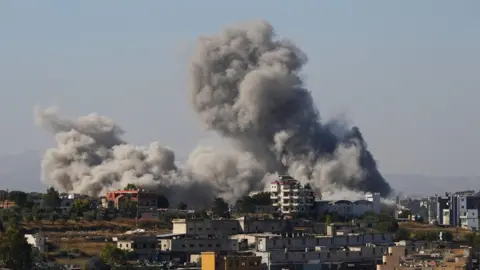
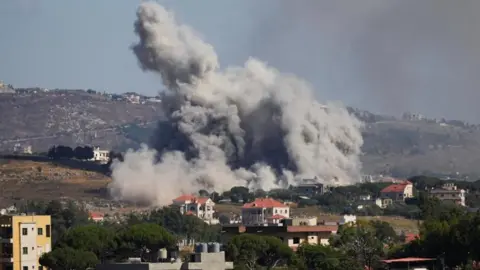
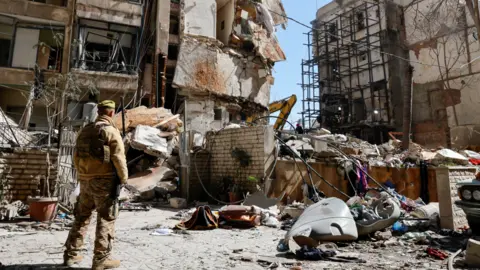
But just as the region was breathing a sigh of relief, Israeli jets conducted a 10-minute blitz across Lebanon - a massive aerial attack that killed at least 203 people and wounded more than 1,000 others, according to Lebanon's health ministry.
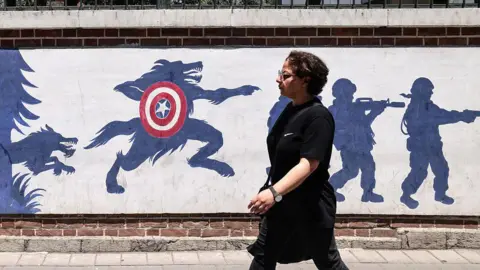
Local and Western condemnation was swift and widespread, but no criticism came from the US against its ally in this war. Iran said this was a grave violation of the ceasefire deal and urged the US to halt the Israeli aggression.
Lebanese officials say more than 1,700 people have been killed since Israel launched its latest campaign in Lebanon last month. Israel claims its operations aim to weaken Hezbollah and achieve what it terms remaining military objectives.
The airstrikes marked a significant escalation, occurring shortly after the United States announced the ceasefire, mediated by Pakistani Prime Minister Shehbaz Sharif. The global community is watching closely as the situation remains volatile, with fears of further ramifications throughout the Middle East.