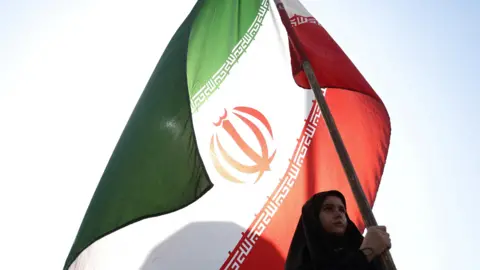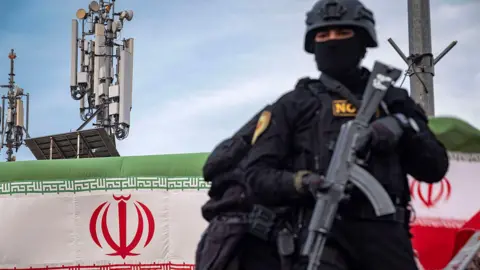
As Iran is now in its tenth day of an extensive internet shutdown that has left 92 million citizens disconnected, fears of extreme digital isolation are on the rise. The Iranian government initiated this shutdown on January 8, ostensibly to quell dissent and prevent international scrutiny during crackdowns on ongoing protests.
Iranian Foreign Minister Abbas Araghchi justified the measures, stating the disruptions were in response to what he termed externally directed terrorist operations. However, reports suggest that the government is contemplating a more permanent restriction on internet access, with projections indicating that residents might not see the return of international web service until the Iranian New Year at the end of March.
Insights from internet freedom observers at FilterWatch raise alarms about the government's intentions, proclaiming that not only may international access not resume, but any future access may not resemble what users have previously known.
Historically, Iran has maintained strict controls over internet use, blocking numerous Western social media platforms, yet the current blackout surpasses past shutdowns in duration. The charity Access Now emphasized the dire implications of such restrictions, warning they could endanger lives and strengthen authorities’ ability to operate without accountability for human rights violations.
Reports of significant disruptions in livelihoods, particularly in e-commerce, highlight the direct impact of the shutdown on ordinary Iranians. As of January 18, human rights organizations estimate more than 3,300 protester deaths and over 24,000 arrests across Iran, with concerns that actual counts could be far higher due to lack of communication capabilities.
Internet monitoring initiatives predict that this shutdown hints at a broader move towards isolating Iranian users from the global internet, aligning Iran more closely with models of extensive digital control seen in nations like Russia and China. Technical elements laid out in these observations suggest plans to institute a tiered internet access system subject to governmental vetting.
As debate rages on about the future of internet access in Iran, the long-term ramifications of such concentration of power and information control loom large.