
In brief
At a recent MAHA event, Robert F. Kennedy Jr. received accolades, yet a faction of supporters voiced anger over perceived deviations from the movement’s original goals. Critics, including former staff, accuse Trump administration officials of undermining MAHA’s mission, stirring discord within the coalition. As MAHA seeks broader public health support, the partnership with pharmaceutical and tech companies raises concerns among traditional advocates of health freedom. Observers warn that increased internal tension may jeopardize the movement's unity.
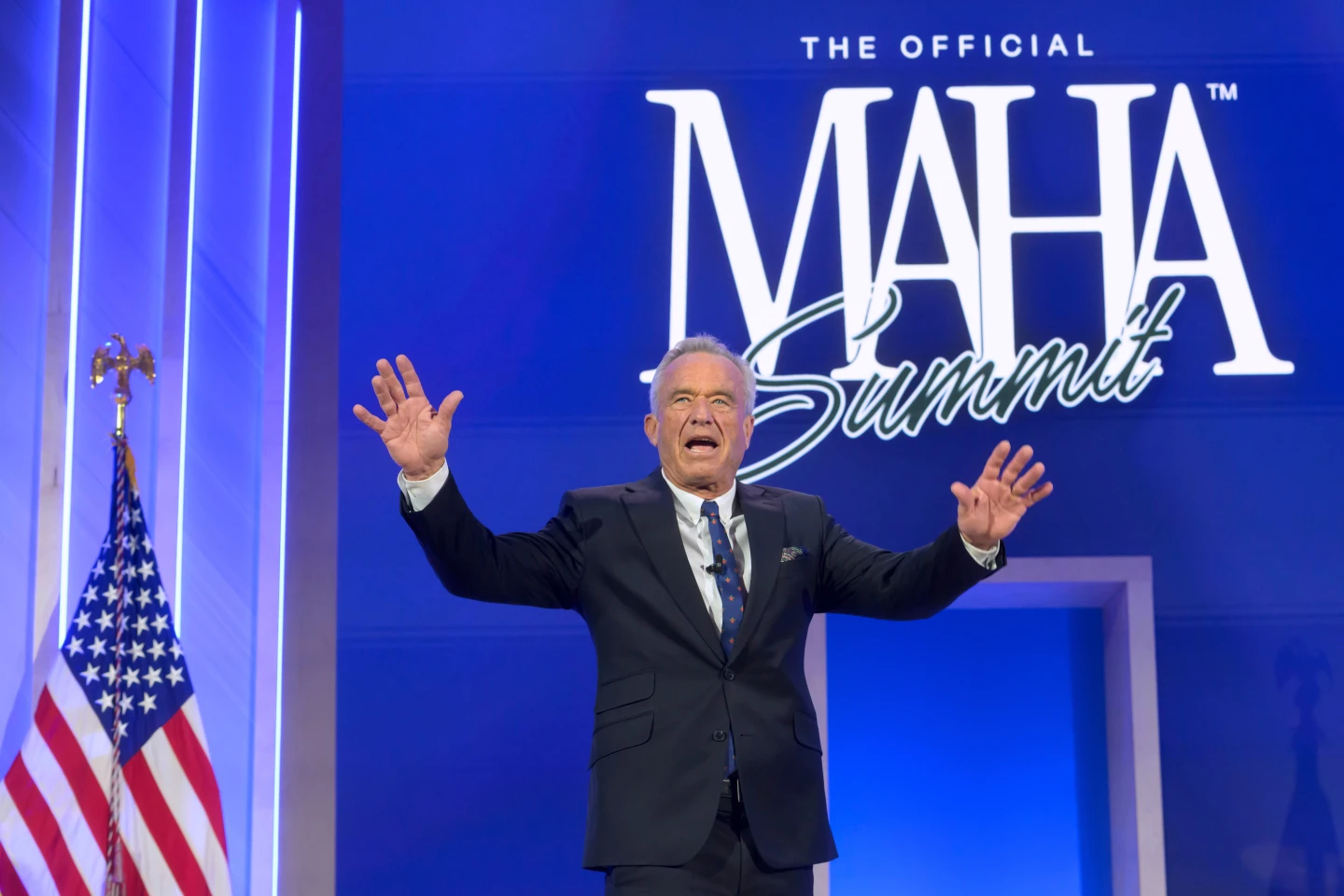
NEW YORK (FluxDaily) — Robert F. Kennedy Jr. was recently celebrated at a high-profile event in Washington, dubbed the 'Make America Healthy Again' (MAHA) event, where he received praise from prominent figures, including the vice president and health tech CEOs. This initiative was intended to highlight the successes of the health movement led by Kennedy and the health secretary.
However, discontent brewed online as a faction of Kennedy's supporters and former aides accused the Trump administration's advisers of sabotaging the initiative. They argued that the movement is straying from its original health-focused mission, with former Department of Health officials expressing dissatisfaction with recent developments.
Gray Delany, a former health official dismissed in August, voiced his discontent in a podcast, indicating the current MAHA does not reflect the intentions of its founding members. The criticisms were significant enough that the health secretary had to defend the administration's direction on social media shortly thereafter, signaling internal fractures as MAHA gains power and expands its scope.
Some advocates of health reform expressed frustration over what they perceive as inadequate responses to pressing health issues. Concerns were raised about the collaborative approach with pharmaceutical companies and tech corporations, further aggravating this discontent.
The dissension threatens the coalition's strength, integral to providing support for Trump and tapping into an emerging voter base. Meanwhile, MAHA’s growing popularity among the public seems at odds with its internal conflict, as two-thirds of Americans reportedly back the initiative according to a recent Ipsos poll.
Kennedy’s ambitious agenda, which includes significant changes to vaccine policies, has also attracted scrutiny. His actions have led some passionate activists within the health freedom movement to demand more drastic measures against what they perceive as corruption within the healthcare system.
While Kennedy defends his team and the coalition's objectives, he acknowledges the legitimate frustrations among his followers. The wide-ranging nature of the MAHA initiative has attracted various stakeholders, raising questions about the sincerity of its mission and its long-term viability.
As Kennedy continues his efforts, public health experts suggest the challenges of balancing diverse interests are fundamental to any large political movement, warning that potential conflict may impede forward momentum.

