New Dietary Guidelines for Americans Encourage Whole Foods and Protein Consumption
The newly released 2025-2030 Dietary Guidelines for Americans advocate for increased consumption of whole foods and protein, while advising a significant decrease in the intake of highly processed foods and added sugars. This guidance was announced by Health Secretary Robert F. Kennedy Jr. and Agriculture Secretary Brooke Rollins under the Trump administration.
Kennedy emphasized to reporters, Our message is clear: Eat real food. This approach reflects his ongoing initiative, Make America Healthy Again, focusing on overhauling the U.S. food supply.
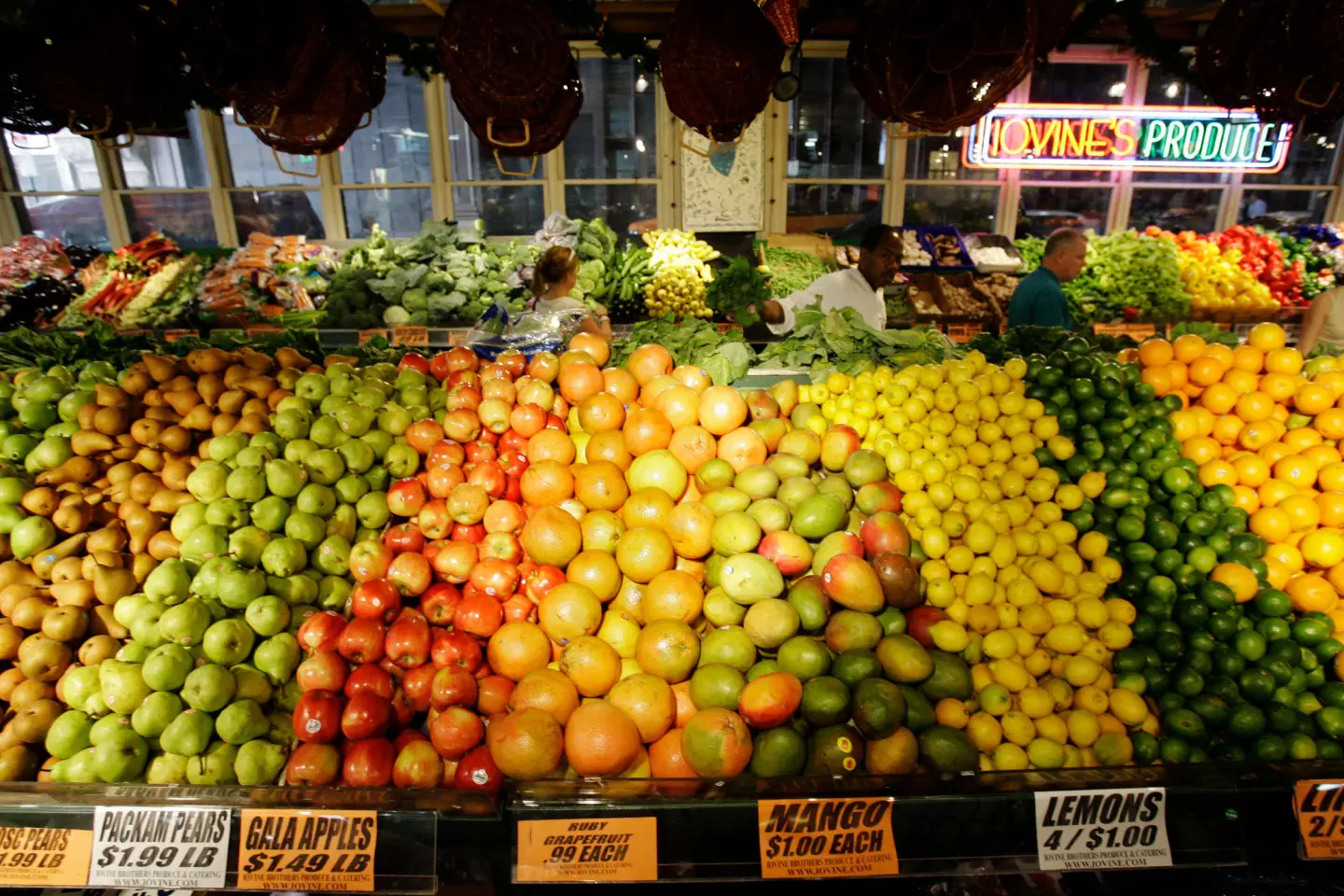
The updated guidelines recommend prioritizing fresh vegetables, whole grains, and dairy. They feature an inverted food pyramid, placing protein, dairy, healthy fats, and fruits and vegetables at the top, with whole grains at the bottom.
New guidelines take a critical stance against ultraprocessed foods, urging consumers to avoid packages and prepared foods laden with added sugars and salts, identifying them as contributors to health issues like obesity and diabetes.
Interestingly, the guidelines recommend continuing to limit saturated fat intake but suggest opting for whole-food sources like meat, whole-fat dairy, or avocados, ignoring previous directives that denounced such fats.
The Need for Dietary Reform
Every five years, dietary guidelines undergo revision, reflecting current knowledge about nutrition. However, the latest report maintains that more than half of Americans struggle with diet-related chronic diseases.
Some prominent health experts have praised the emphasis on whole foods as pivotal for improving national health, considering the move an essential advance in dietary recommendations.
Additionally, the new guidelines suggest raising protein consumption, advocating 1.2 to 1.6 grams of protein per kilogram of body weight, effectively doubling previous recommendations.
Moreover, the guidelines state that no meal should contain more than 10 grams of added sugars and assert the benefits of reducing alcohol consumption for better health.
Questions remain on the roles of ultraprocessed foods and their health implications, with experts calling for more research in that area.