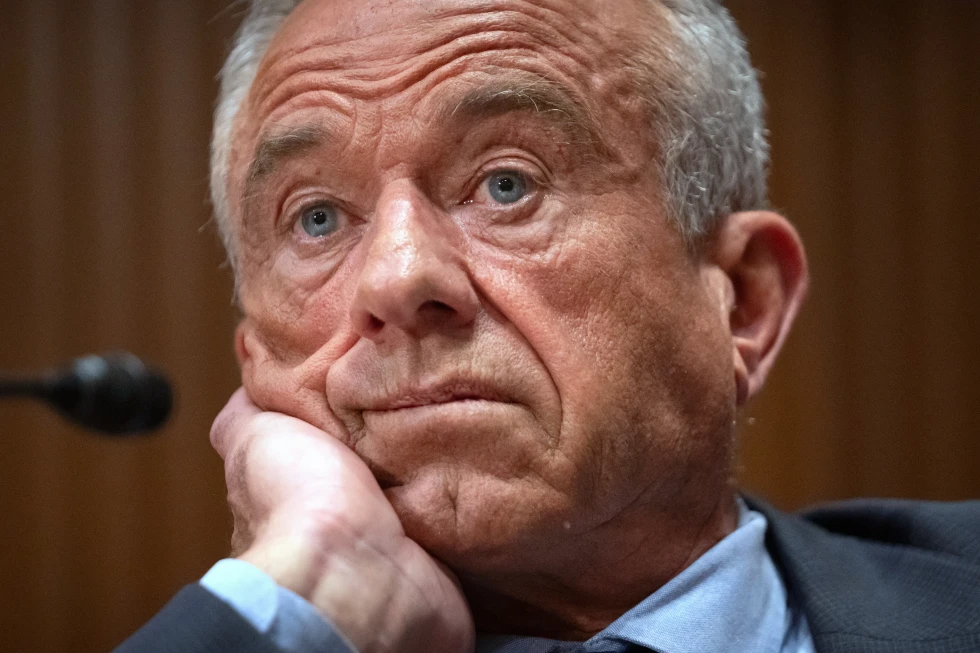
NEW YORK — A year ago, amidst ambitions for transparency, U.S. Health Secretary Robert F. Kennedy Jr. declared his goal to rebuild trust in federal health agencies. However, numerous health data streams that once flowed freely from the government are experiencing significant stoppages and delays.
The stalwart collection and dissemination of health information have been disrupted by sweeping staff reductions at federal agencies and a singularly lengthy government shutdown. An executive mandate from President Donald Trump prompted the removal of health agency websites, leading civil researchers to preserve federal health datasets through archiving endeavors, culminating in a successful court order for the restoration of these websites.
Ariel Beccia, a researcher at Harvard T.H. Chan School of Public Health, voices her frustration over the disrupted flow of health information: We pay taxes to hopefully have good, inclusive public health practice and data. The past year, it felt like every single day, something that I and my colleagues rely on has just been taken away by federal officials.
Recognizing the cited near-total absence of data, a spokesperson for Kennedy disputed the assertion, insisting it was based on selective characterizations. Andrew Nixon, the spokesperson, maintained that Kennedy is pioneering the most transparent Department of Health and Human Services (HHS) in history.
Nixon referred to a dedicated HHS webpage outlining transparency efforts, which provides insight into canceled contracts and the reinterpretation of previously issued information, including new tools from the U.S. Food and Drug Administration addressing chemical contaminants.
Examples abound showcasing diminished information flow from federal health agencies compared to previous administrations:
Impact on Abortion Data
The Trump administration's Project 2025 blueprint urged the Centers for Disease Control and Prevention (CDC) to bolster data surrounding U.S. abortions. Yet, the agency has forsaken its customary annual abortion surveillance report this past November, attributing the delay to an alleged directive from a former chief medical officer to abstain from analyzing submitted state data.
Drug Overdose Data Disruptions
Overdose data collection has seen robust reporting historically; however, the closure of the Drug Abuse Warning Network (DAWN) has curtailed crucial insights into drug-use trends, as the elimination attempts to align with administration targets.
Challenges in LGBTQ Data
The CDC has also eliminated a range of data concerning the transgender community, ceasing efforts vital to understanding the specific health challenges faced by LGBTQ individuals.
Despite promises of transparency, both experts and public officials have raised alarm, arguing these changes make it increasingly difficult to assess ongoing public health issues accurately.