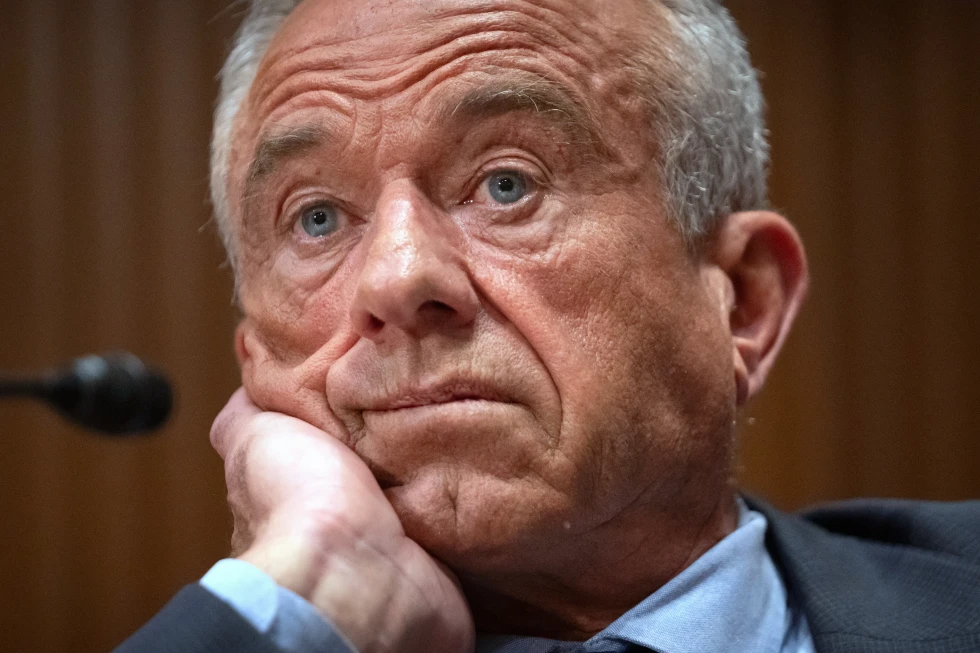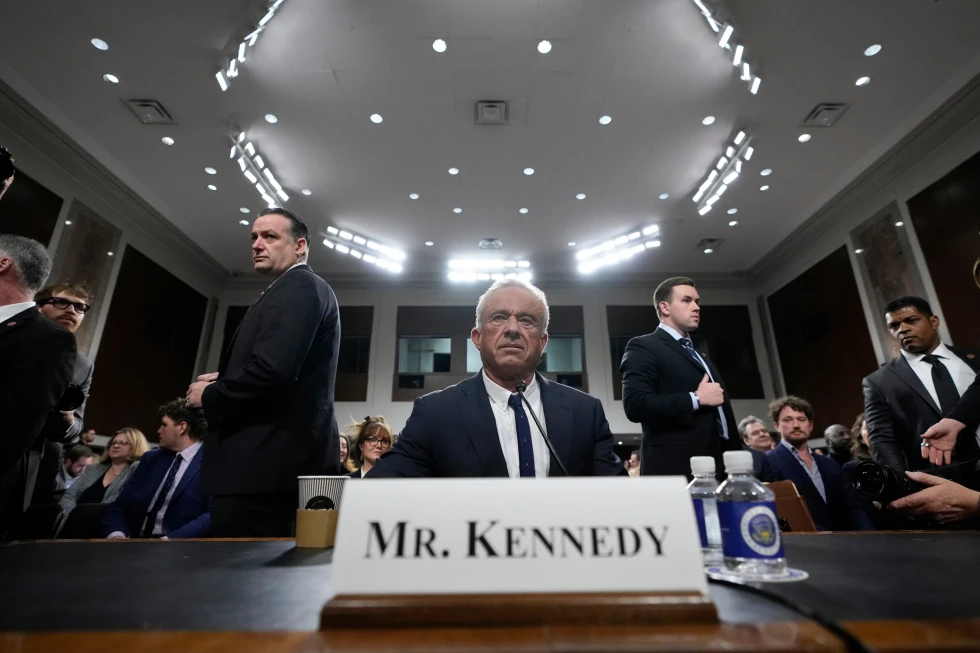
NEW YORK (Fluxdaily) — Since Robert F. Kennedy Jr. was appointed as Secretary of Health and Human Services, he has pushed for radical changes in U.S. health policies, claiming these reforms will restore public trust in health agencies. However, the long-time critic of vaccines has faced significant pushback from medical professionals who argue his policies diverge from established scientific consensus.
Despite Kennedy’s assertions of promoting transparency, surveys indicate a decline in public confidence in the agencies he oversees. Surveys conducted since the onset of the COVID-19 pandemic reveal a growing unease, as many citizens found existing public health guidance confusing and contradictory.
Kennedy contends that empowering individuals to make informed healthcare choices is central to his mission. Nevertheless, critics maintain that the misinformation he promotes could lead to a resurgence of preventable diseases and significant health risks.
Experts, including those from the CDC and AMA, express alarm at the weakening trust in health institutions, a stark contrast to the historically high approval ratings gleaned from decades past. The current environment, characterized by polarized views, presents a formidable challenge for public health leadership.
In the wake of these changes, many Americans report feeling misled. Alix Ellis, a hairstylist from Georgia, articulated her frustrations with confusing guidance that has eroded her faith in health agencies, marking a shift from her previous reliance on government recommendations.
Linking back to Kennedy’s past as a leading figure in the anti-vaccine movement, critics argue that he has initiated policies that threaten the very trust he professes to restore. From redesigning vaccine recommendations to ambitious staffing changes within HHS, Kennedy’s tenure reflects a contentious pathway amidst growing public concern and medical disapproval.
As Kennedy continues to advocate for new public health strategies, the looming question remains whether his approach will lead to revitalized trust among the American populace or further deepen the chasm of confusion and misinformation surrounding vaccine and health policy.