Controversial Baby Vaccine Trial in Guinea-Bissau Faces WHO Backlash
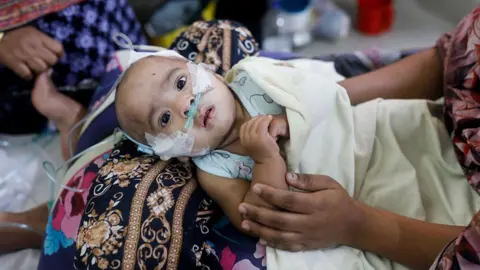
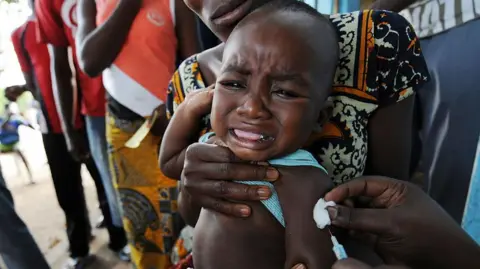
A now-halted plan to run a hepatitis B vaccine trial involving thousands of newborns in Guinea-Bissau has been criticized by the World Health Organization as unethical.
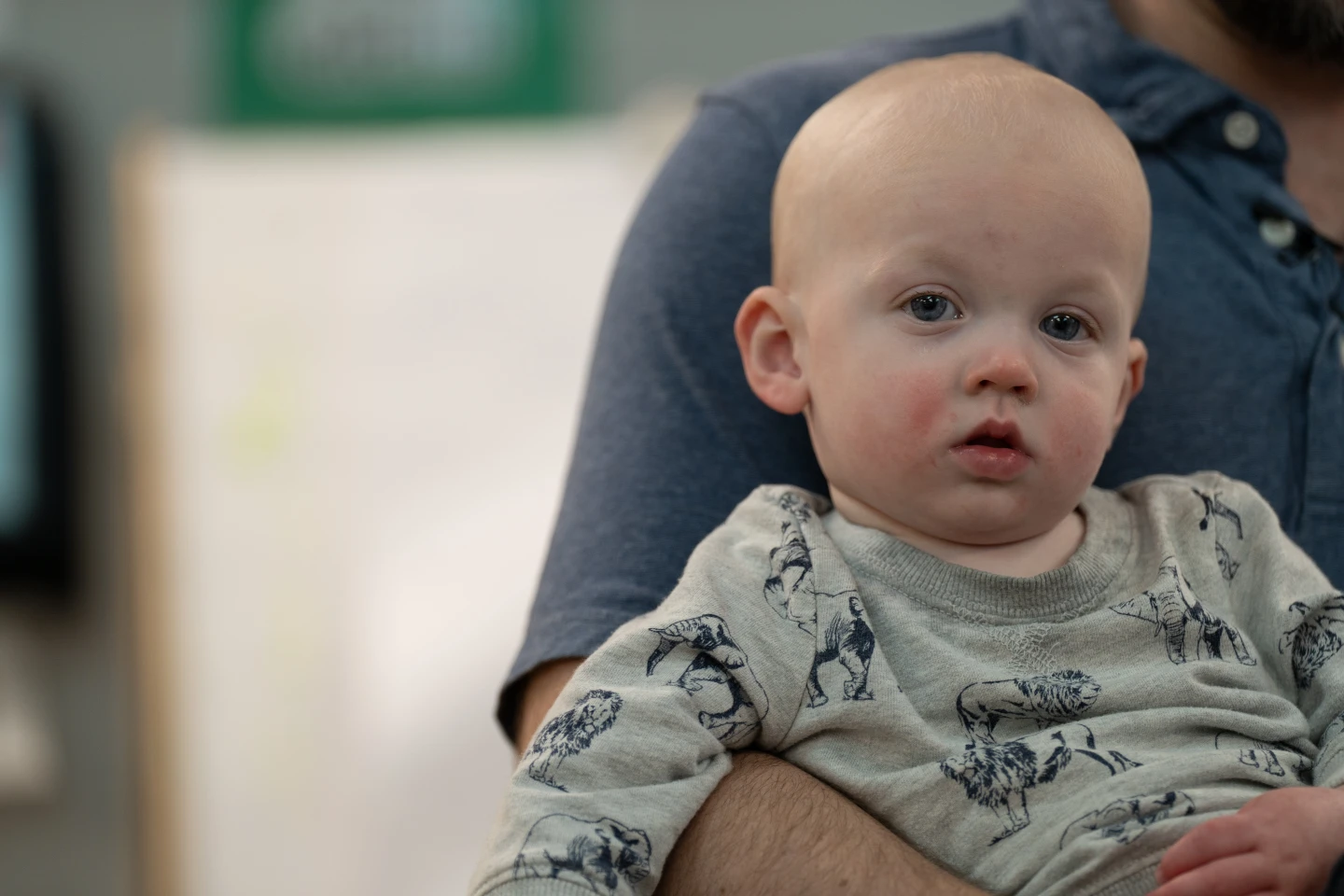
The US-funded study had sought to give one set of babies the vaccine at birth, while another would have had the shot delayed until six weeks of age. The WHO expressed significant concerns about the plan, emphasizing the effectiveness and necessity of the birth-dose vaccine.
Led by US health department head Robert F. Kennedy Jr., who has questioned the effects of vaccines, the trial aimed to investigate broader health effects of the vaccination. However, the WHO critiqued the scientific justification and ethical safeguards that governed the research.
Highlighting that the hepatitis B vaccine has been widely used in over 115 countries for three decades, the WHO maintained that denying this intervention to some newborns could cause potentially irreversible harm to vulnerable populations.
The need for immediate vaccination is underscored in Guinea-Bissau, where chronic hepatitis B prevalence is significant. The WHO states that vaccination at birth can prevent the virus from being transmitted from mother to child in up to 95% of cases.
This concern led to public outrage and the Guinea-Bissau government's decision to suspend the trial last month. With significant health implications on the line, critics argue that the country should not be subjected to such experiments.
As reported, the trial was projected to include about 14,000 newborns—an indication of the magnitude of this controversial study.
'We are not guinea pigs'
Former Guinea-Bissau health minister Magda Robalo criticized the trial, insisting that ethical standards should prohibit such experiments on vulnerable populations, dubbing it unacceptable.
More than 12% of Guinea-Bissau’s adult population is estimated to have chronic hepatitis B, an ailment that can progress to severe liver diseases. Despite the skepticism surrounding vaccination practices, WHO recommends the birth dose of the hepatitis B vaccine to prevent childhood infections effectively.
This scenario raises complex dialogues on scientific research, ethical practices, and the strife between public health requirements and potential ethical violations in vulnerable regions like Guinea-Bissau.