In brief
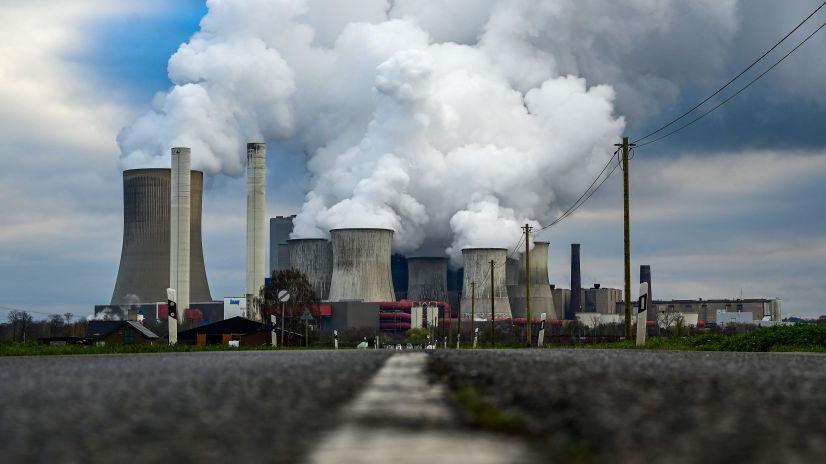
Germany’s energy future is at a crossroads as 20% of its power remains coal‑generated despite a pledge to phase out lignite by 2030 and all coal by 2038. Rising gas prices and industrial demand have reignited discussions about a temporary return to inexpensive, locally‑produced lignite. The debate pits industrial leaders who value a stable, affordable grid against environmental advocates championing renewables. A federal parliamentary review and forthcoming statutory consultation will determine whether the government will harden the phase‑out or maintain a small coal buffer.
Germany’s energy future is at a crossroads. With 20 % of its power still coming from coal, a decade‑long “Kohleausstieg” plan in place, rising gas prices and industrial demands have sparked debate.
Coal has powered the largest European grid for decades. The case for moving away has been set by a pledge to phase out lignite (the dirtier coal) by 2030 and all coal by 2038. Yet the current cost of natural gas has made some consider a temporary return to inexpensive, locally‑rented lignite as a safety net.
Energy giant LEAG rejoiced at any shift toward a secure supply, saying that heavier coal use could soon partner with renewables that already float 59 % of the country’s generation. Contrasting voices, like environmental researcher Hauke Hermann, warn that renewables alone are insufficient to echo a reliable Grid‑stability mandate.
Industrial leaders, represented by the Chemical Industry Association, stress that their parks rely on steady supply at competitive prices; renewable bases are still uneven, especially in winter.
The federal coalition, half CDU/CSU and half SPD, struggles to decide whether to slow the coal‑phase‑out toward meeting short‑term security needs. A parliamentary review slated for August will send its findings to a pending statutory consultation.
Flowcharts in parallel timelines show Germany potentially back‑firing: a future in which six hard‑coal plants could run as baseload generators, or a future firmly committing to 100 % renewables by 2030.
The push to keep a small coal island highlights the tension between a decarbonised image and an industrial appetite for predictable baseload electricity. The outcome will redefine the energy narrative welcoming or denying a coal resurgence.
Source: BBC News, 22 June 2026.