
In brief
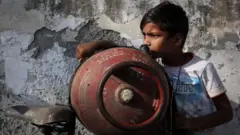
The war in Iran has triggered a significant fuel crisis impacting daily life in Asia, where countries dependent on the Strait of Hormuz for oil supplies are grappling with soaring prices and energy scarcity. Governments have imposed measures such as national emergencies, work-from-home orders, and cut working weeks to manage the crisis. Citizens from the Philippines to India are sharing their experiences as their livelihoods collapse under pressure from fuel shortages.
The effective closure of the Strait of Hormuz following the conflict involving Iran has caused tremors throughout Asia. The disruption is palpable as countries heavily reliant on oil imports are facing skyrocketing prices and significant supply shortages.
Efforts to stabilize the situation include emergency declarations, reduction of workweeks, and early closures of institutions across affected nations. In the Philippines, the government has declared a national emergency to address the imminent energy supply dangers. Workers in various sectors are experiencing severe cuts in income due to escalating transportation costs and shortages.
Even countries like China, thought to have sufficient reserves, are altering fuel prices amid fears of unaffordable hikes. Individuals across Asia are revealing their struggles as communities brace for the continuation of the conflict and resultant fuel scarcity, leading to protests and demands for government aid.
From jeepney drivers in the Philippines facing drastic wages drops to the bustling food industry in India hampered by supply shortages, the impacts of the Iran war are widespread. Citizens are urging their leaders to provide sufficient support and solutions as the situations worsen.
