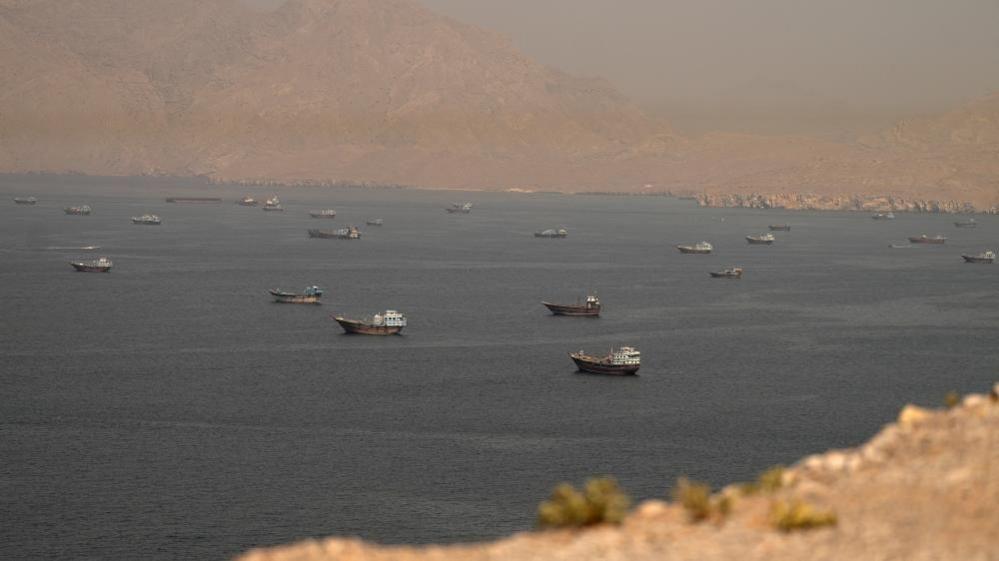
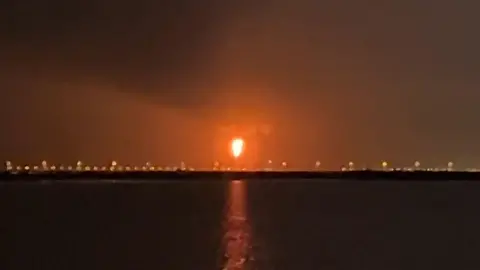
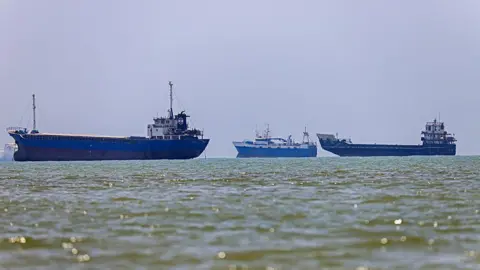
The effective closure of the Strait of Hormuz after the US and Israel began their war with Iran in late February has sent shockwaves across the globe.
Oil prices have soared and stock markets have wobbled as the world waits to see when Iran will allow the key waterway - through which about 20% of all oil passes - to reopen.
At the moment, only a handful of ships make it through the strait each day. Meanwhile, the attacks on energy infrastructure in the region have only served to push prices higher.
Arguably, nowhere has felt it more than Asia: nearly 90% of the oil and gas passing through the strait is bound for Asian countries.
And already, the strain is being felt.
Governments have ordered employees to work from home, cut the working week, declared national holidays and closed universities early in order to conserve their supplies.
Even China - which is thought to have reserves equivalent to three months of imports - is making adjustments, limiting a fuel price hike as citizens are faced with a 20% jump in price.
The war may be thousands of miles away - but people across Asia have been telling the BBC about the very real, everyday impact it is having on their lives. For example, the Philippines declared a national emergency due to the conflict affecting the availability of energy supply. The impact is felt by jeepney drivers, whose wages have fallen drastically as fuel prices have soared.
In Thailand, government directives have prompted energy conservation measures, while Sri Lanka has reintroduced fuel rationing after recovering from a prior financial crisis. Meanwhile, in India, essential industries reliant on gas are shutting down, leaving workers fearing for their livelihoods.