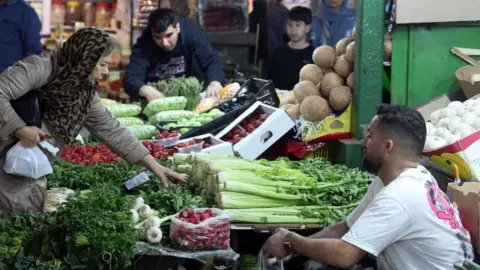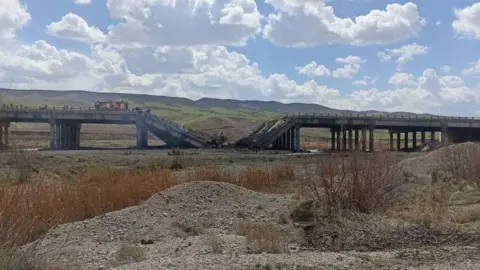
On the plains of northwestern Iran, edged by snow-ribboned ridges, spring nudges almond trees into frothy bloom as a fragile ceasefire brings more traffic onto highways, and more Iranians back to their homeland.
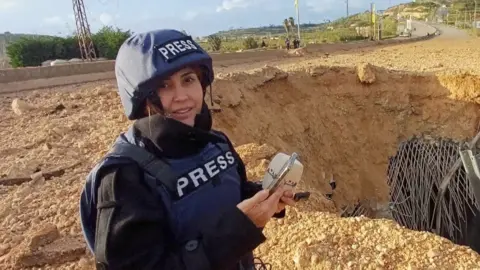
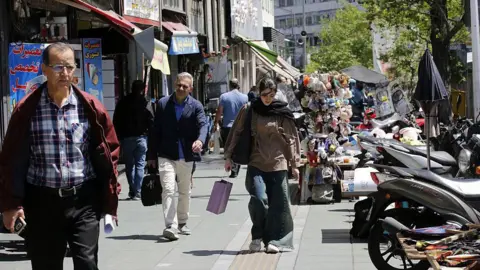
I stayed with my son in Turkey for a month, a grey-haired banker remarks at a Turkish crossing. Amidst a two-week truce, he reflects on the recent airstrikes: The Israeli and American airstrikes mainly hit military targets, not homes and civilian infrastructure, he says, describing the grievous war that unfolded over the past weeks.
An elderly woman, appearing anxious, confides about the ongoing fears; the toll of conflict weighs heavily on her mind. Yet, sentiments vary, as a young woman in a bright red puffer jacket proclaims that, despite the ceasefire, Iran will never give up its control of the Strait of Hormuz, showcasing the fractures in public opinion.
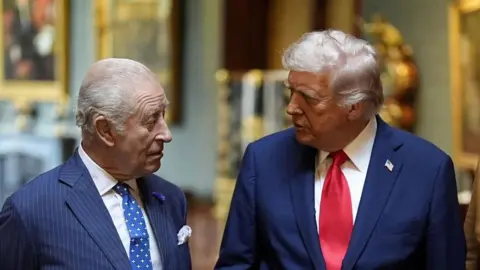
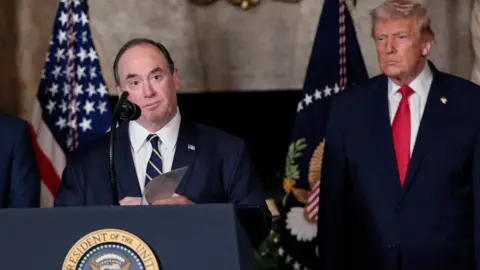
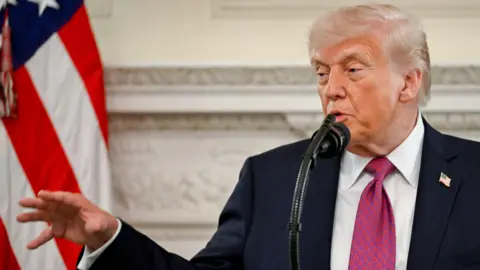
The alarming rhetoric from US President Trump lingers in the minds of many citizens. His threats of destruction echo ominously across the border, as they contemplate an uncertain future marked by both domestic strife and international stakes.
While Iran's political landscape navigates the chaos, with leadership focused on national survival, the prospect of negotiations with the US remains a contentious topic.
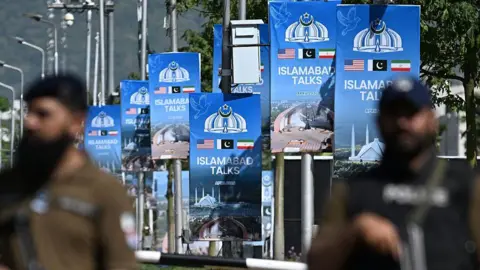
Recent developments reveal perhaps a shift towards dialogue as Vice-President JD Vance leads a significant meeting with Iranian officials in Islamabad, amidst a backdrop of burgeoning regional tensions and calls for broader political reforms within Iran.
As voices from inside Iran become clearer, citizens are caught between hope for a diplomatic resolution and the harrowing reality of war. The question remains: will peace become a reality, or is it merely a fleeting dream in the face of longstanding geopolitical conflicts?