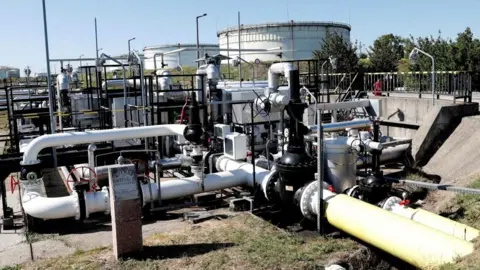
Ukraine has resumed pumping Russian oil through a critical pipeline into Hungary and Slovakia, finally breaking months of deadlock over a vital €90 billion loan from the European Union. This development comes as EU ambassadors in Brussels convened to give preliminary approval to the loan and a new package of sanctions against Russia. The approval is expected to be finalized soon.
Initially, although the funding was agreed upon last December, Hungarian Prime Minister Viktor Orbán vetoed the payment in February, claiming disruptions caused by a Russian attack on Ukraine had halted oil supplies. However, following recent repairs to the pipeline, pumping has restarted, paving the way for the loan disbursement.
The geopolitical landscape shifted further when Orbán's election defeat allowed for renewed cooperation with the EU, as the incoming leader, Péter Magyar, has sought to mend Budapest's historically strained relationship with Brussels.
EU foreign policy chief Kaja Kallas remarked on the significance of the loan, emphasizing Ukraine's urgent need for support while suggesting that Russia's attempts to destabilize the country would ultimately fail. Ukrainian officials have echoed this sentiment, with Deputy Prime Minister Taras Kachka describing the EU funding as a matter of life and death for Ukraine.
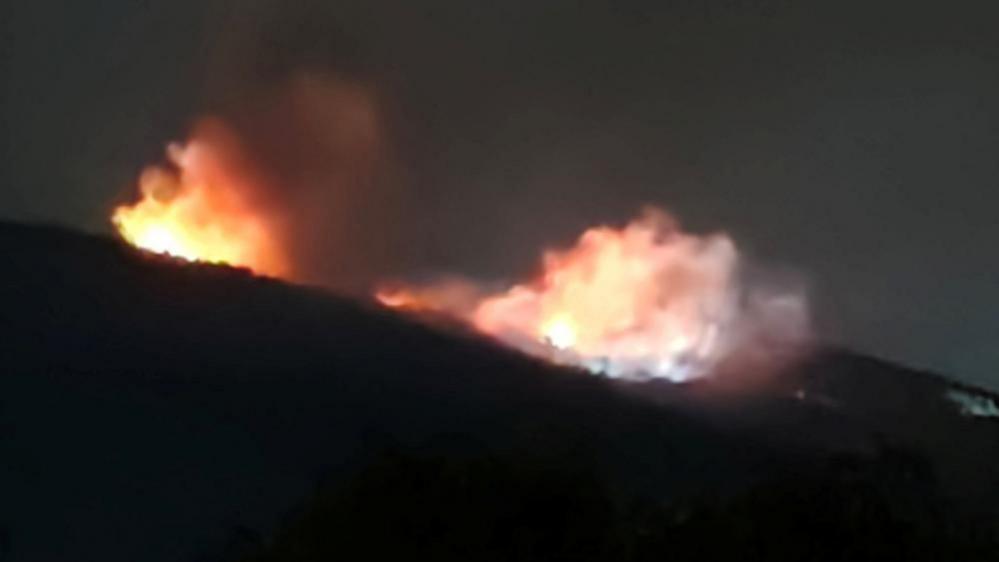
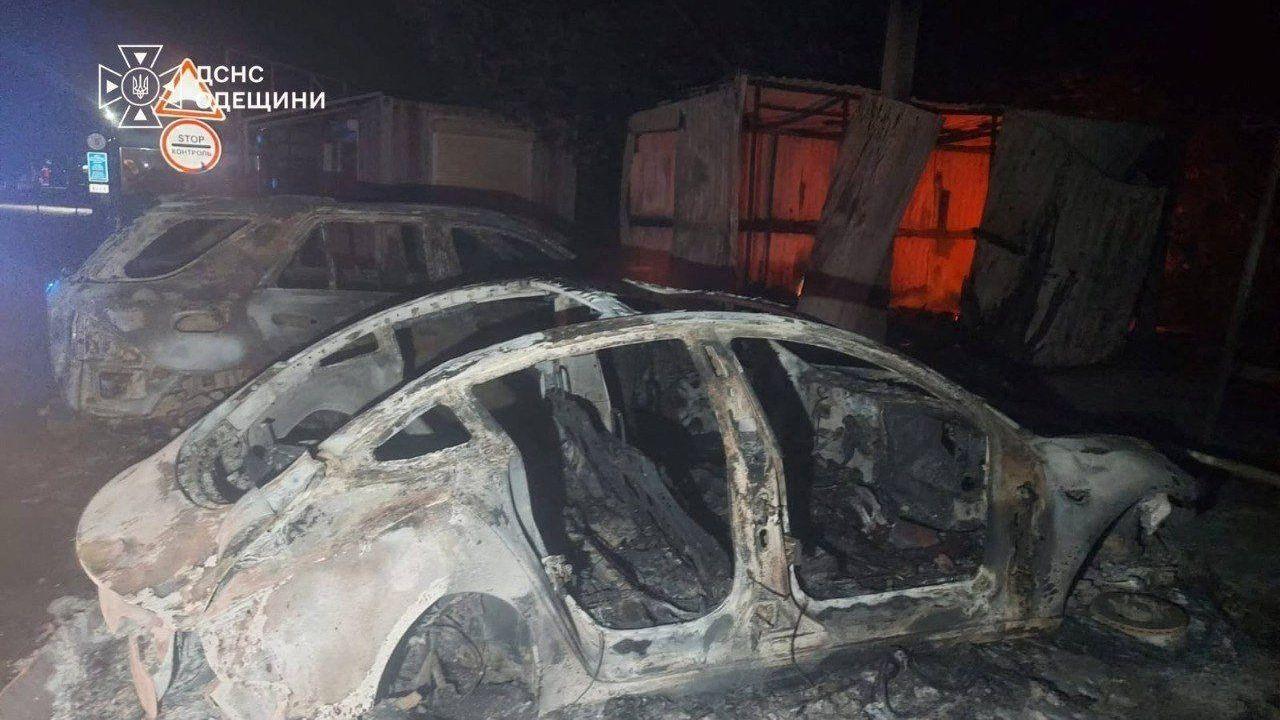
In related news, oil facilities in Ukraine have also been targets in the ongoing conflict, further complicating energy dynamics in the region. Meanwhile, the looming reduction of Kazakh oil imports through a different section of the same pipeline presents additional challenges for EU energy security as the region grapples with the fallout from the ongoing war.
Initially, although the funding was agreed upon last December, Hungarian Prime Minister Viktor Orbán vetoed the payment in February, claiming disruptions caused by a Russian attack on Ukraine had halted oil supplies. However, following recent repairs to the pipeline, pumping has restarted, paving the way for the loan disbursement.
The geopolitical landscape shifted further when Orbán's election defeat allowed for renewed cooperation with the EU, as the incoming leader, Péter Magyar, has sought to mend Budapest's historically strained relationship with Brussels.
EU foreign policy chief Kaja Kallas remarked on the significance of the loan, emphasizing Ukraine's urgent need for support while suggesting that Russia's attempts to destabilize the country would ultimately fail. Ukrainian officials have echoed this sentiment, with Deputy Prime Minister Taras Kachka describing the EU funding as a matter of life and death for Ukraine.
In related news, oil facilities in Ukraine have also been targets in the ongoing conflict, further complicating energy dynamics in the region. Meanwhile, the looming reduction of Kazakh oil imports through a different section of the same pipeline presents additional challenges for EU energy security as the region grapples with the fallout from the ongoing war.