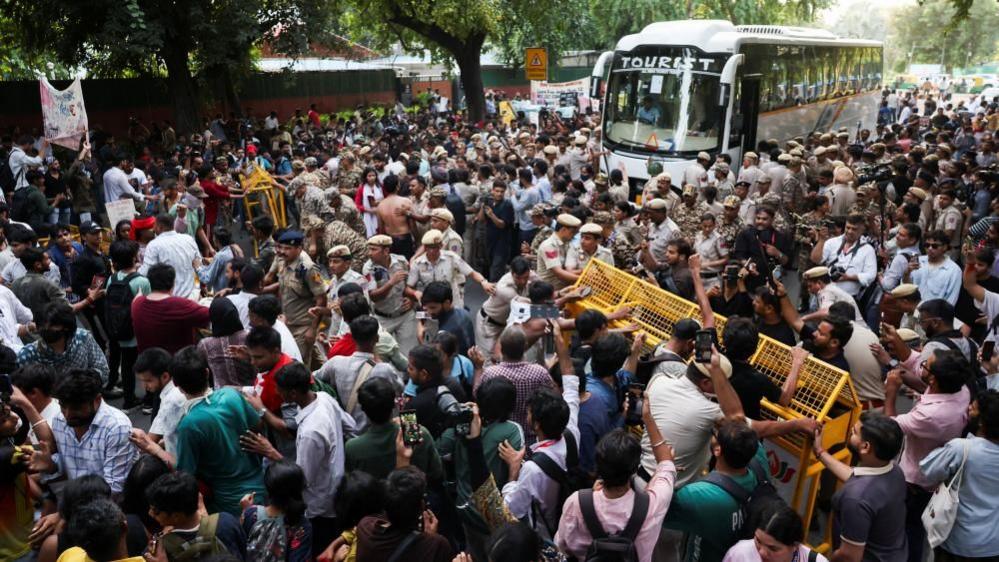
When Delhi’s streets roar for democratic reform, a 29‑year‑old PhD student steps forward, refusing to be silent.
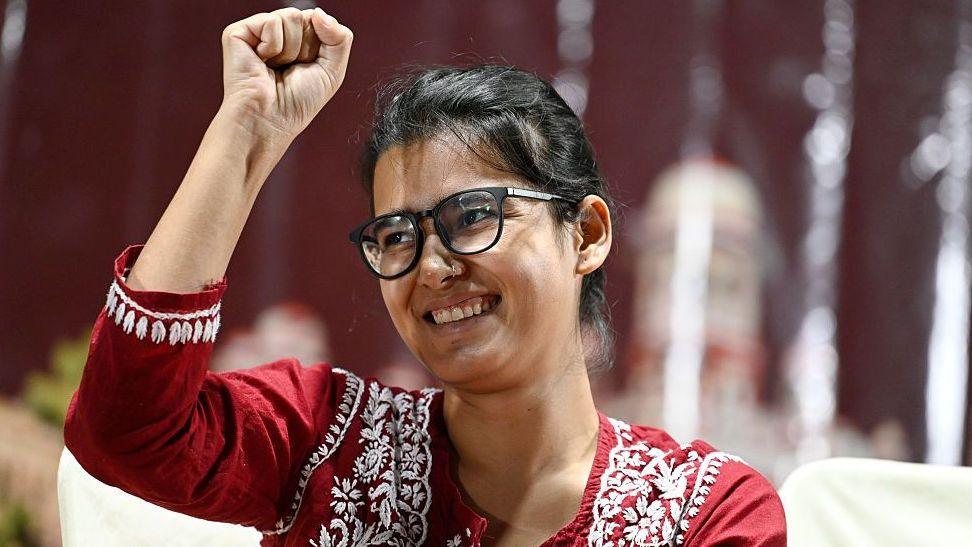
Neha Bora, now the national president of the All India Students' Association, has been a central figure in student activism for the past decade. They joined the all‑India Left‑leaning organisation as a theatre artist and rose to the presidency after two years of relentless campaigning on campus.
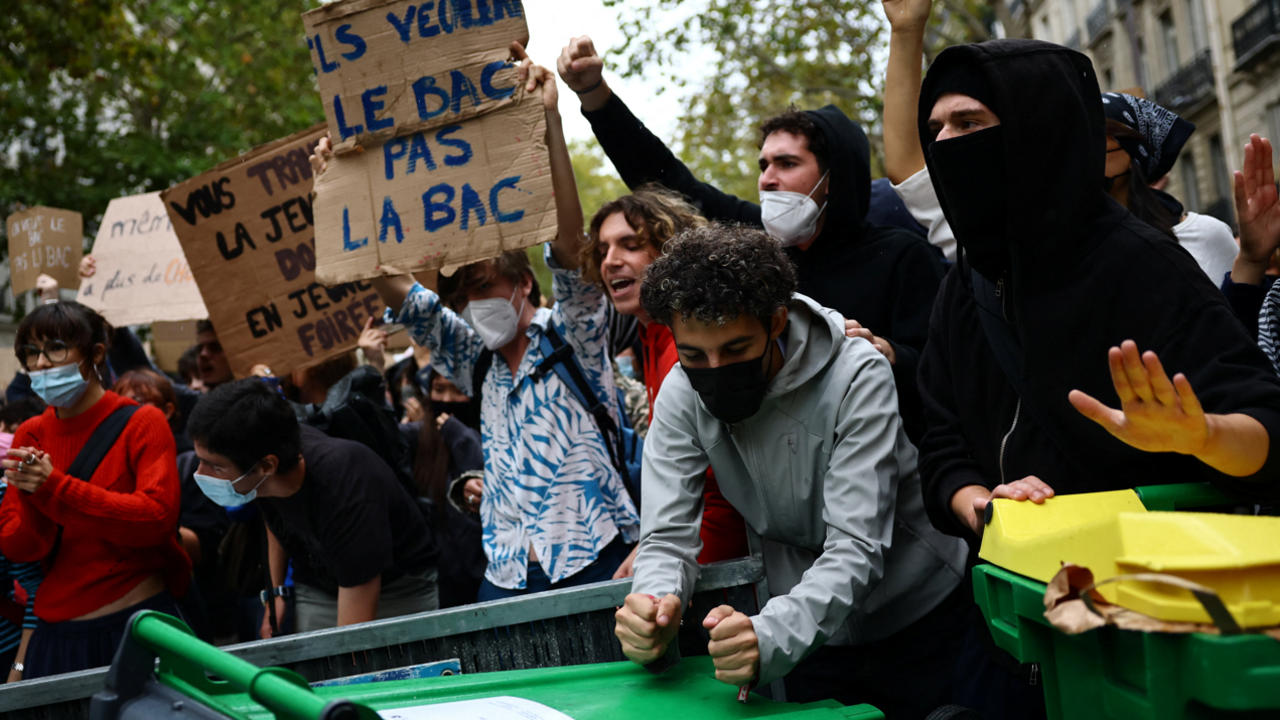
Bora’s visibility exploded after the 28‑June campus protests over education reforms. They joined a hunger strike alongside scientist Sonam Wangchuk and other AISA members, sustaining an 8‑kg weight loss as the protest continued even after Wangchuk was moved to the hospital.
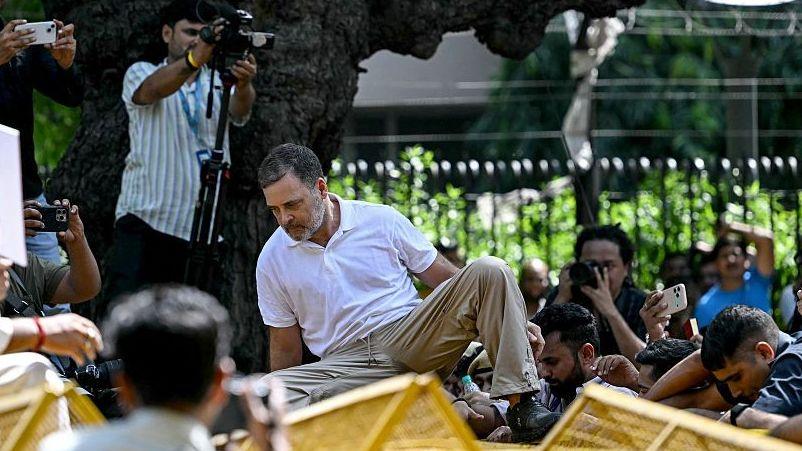
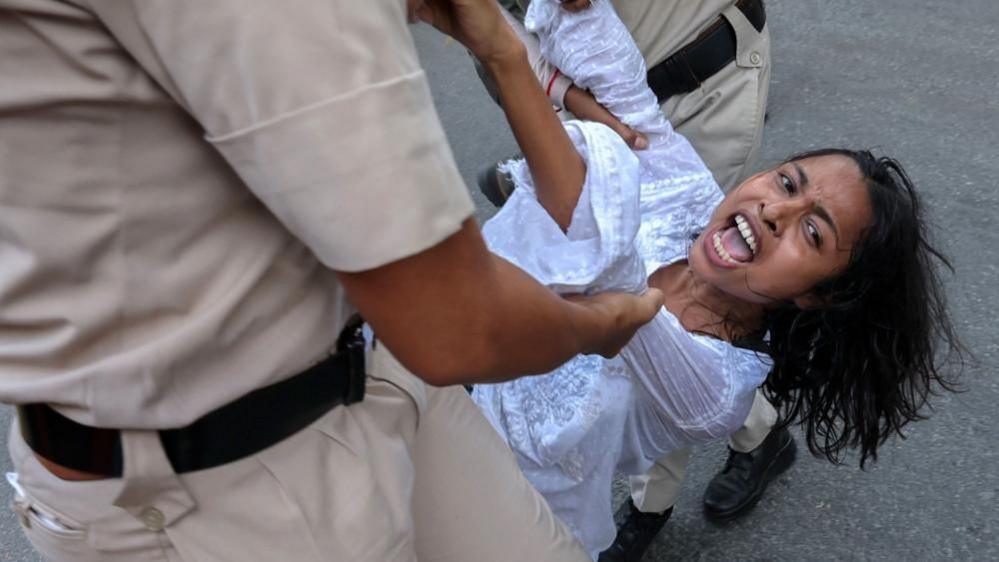
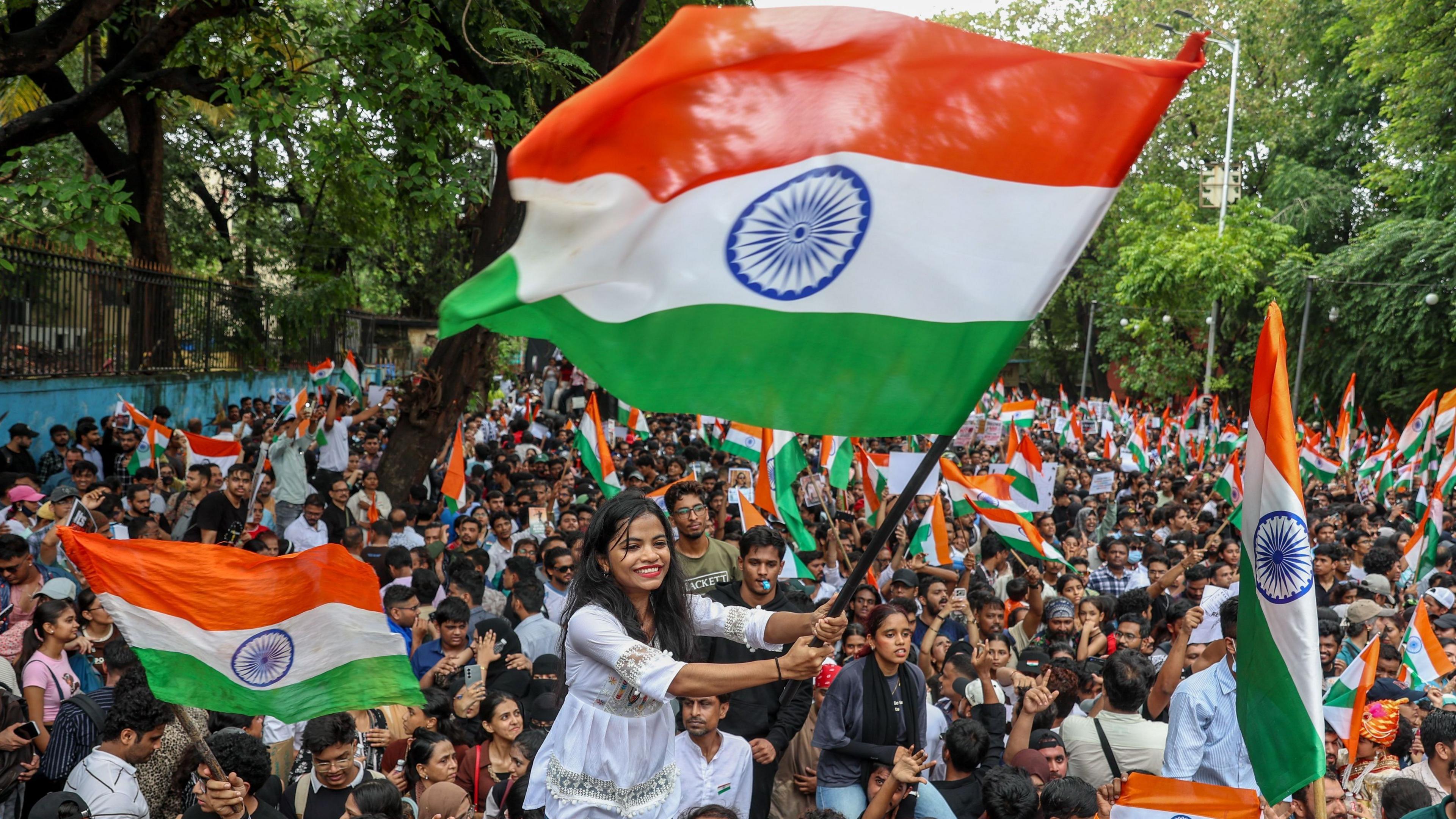
Defiant speeches and viral clips of Bora being dragged past police barricades and clapping hands on the streets turned them into a national icon. In a recent interview, they said, ‘I know it happened in front of the camera so it seems like it's something different, but I have seen all student activists with the Left doing the same things, and it is just that there is a camera on me, so people think something different is happening.‘
The timing of this attention coincides with a nationwide challenge to Prime Minister Narendra Modi’s 12‑year rule. The Cockroach Janta Party, a Gen‑Z‑led satirical movement, staged weeks‑long protests over education policy, ending only after the resignation of Education Minister Dharmendra Pradhan. Alongside them, the Congress party has organised mass rallies over electoral reforms.
The next major demonstration in Delhi, slated for 10 October at Jantar Mantar, will be spearheaded by the Cockroach Janta Party. They have demanded the resignation of Chief Election Commissioner Gyanesh Kumar amid accusations of manipulating electoral rolls to favour the BJP. Though not an official member of the party, Bora has signalled strong support and told protest organisers they would return to the streets alongside the CJP to “protect democracy.”
Bora’s activism is not without risk. Family members who are staunch BJP supporters have voiced concern, and Uttar Pradesh authorities lodged three police complaints against them last month for alleged offensive remarks about Chief Minister Yogi Adityanath. An incident in Jharkhand saw a protester throw ink at Bora, while police detained the assailant.
Still, Bora remains a potent symbol of street‑level change. They have openly asserted that social reforms arise from the streets, not from parliament, and they point to the sheer power of public gatherings in shaping India's political future.
Neha Bora’s journey from a theatre stage to the centre of Delhi’s protest arena underscores a generational shift, where young voices merge with established leftist movements to challenge entrenched power. The coming days will test whether protestant fervour can translate into lasting systemic transformations.