France’s School Outbreak: The Roots of a Student Uprising

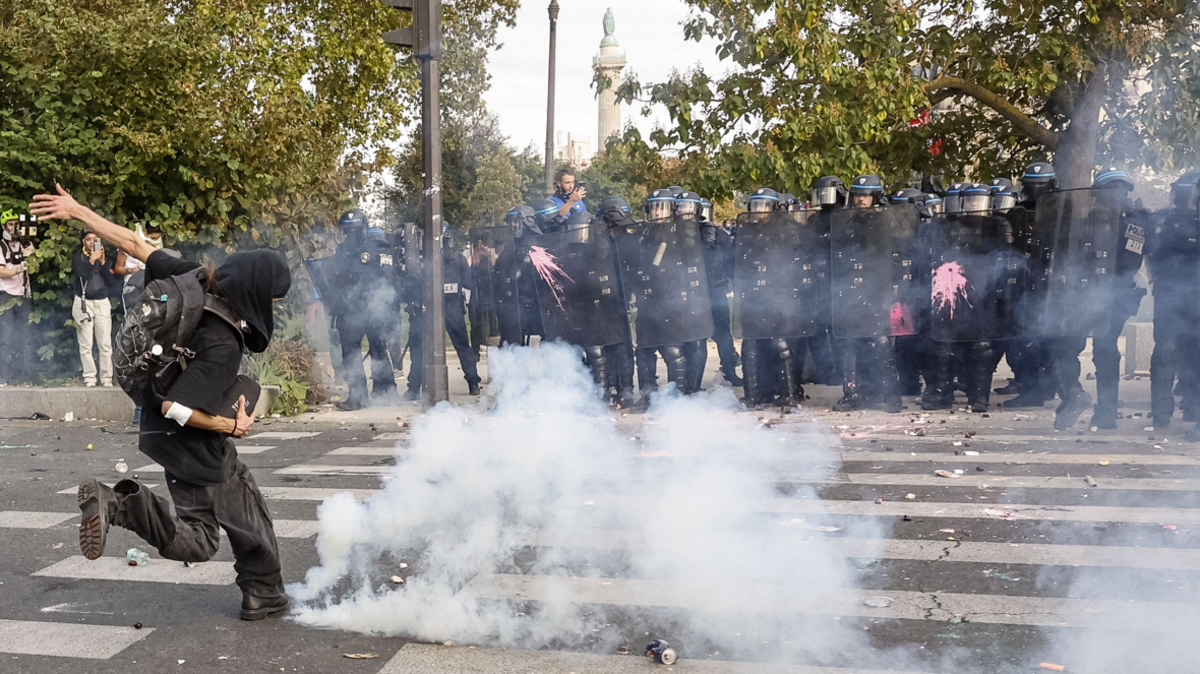
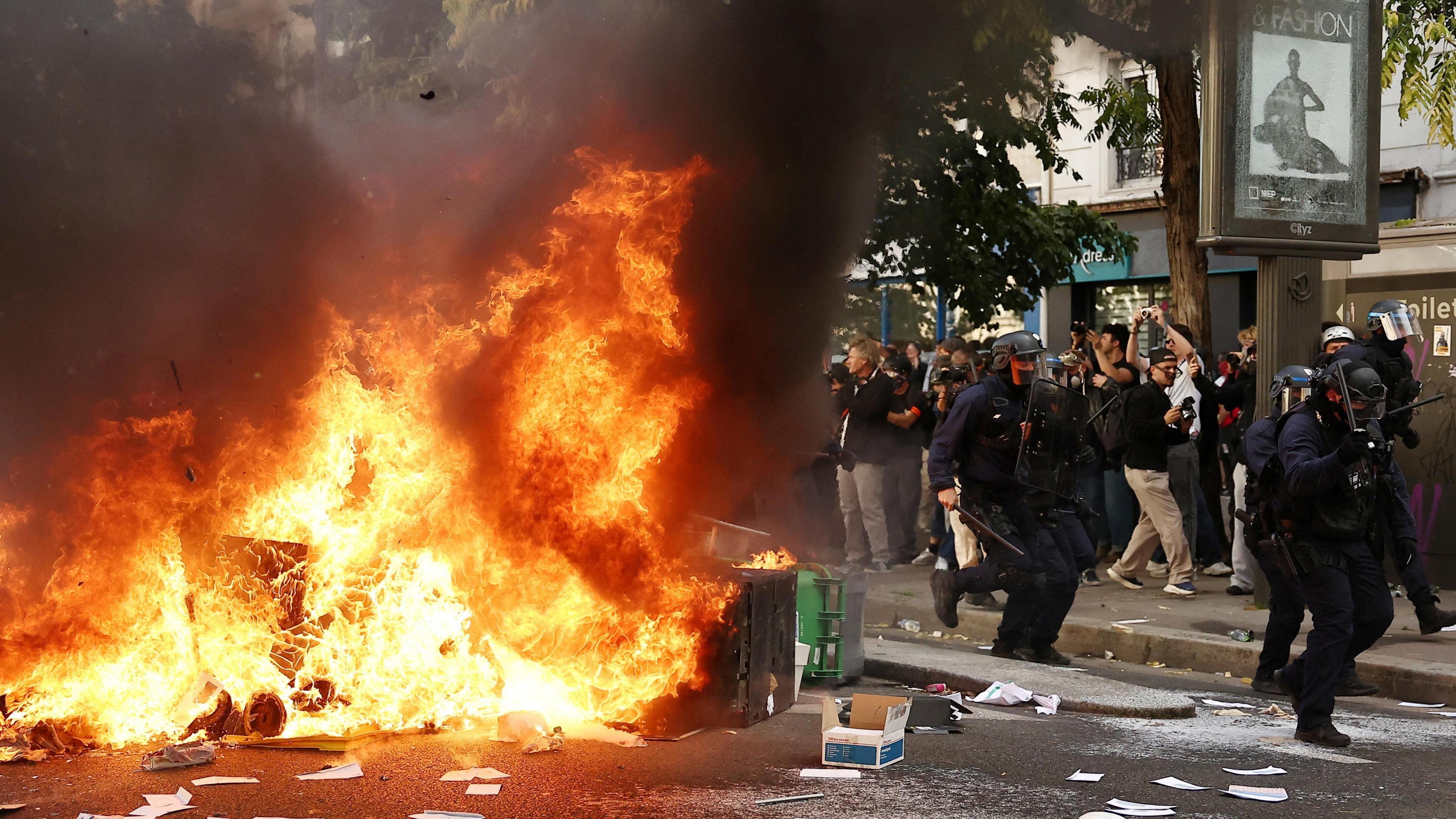
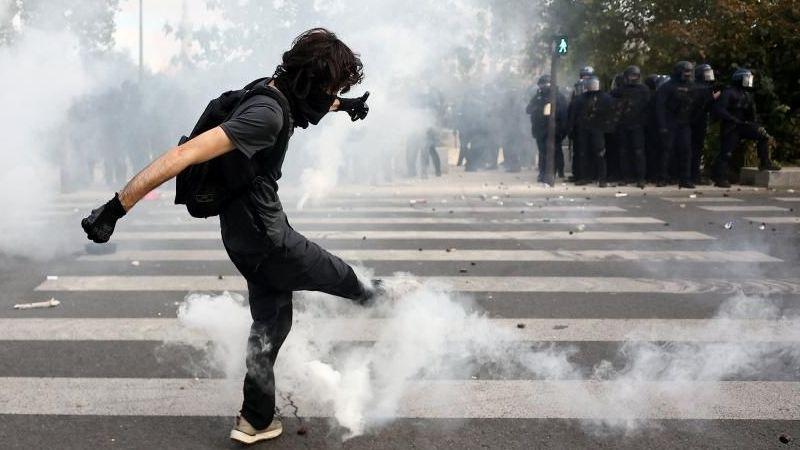
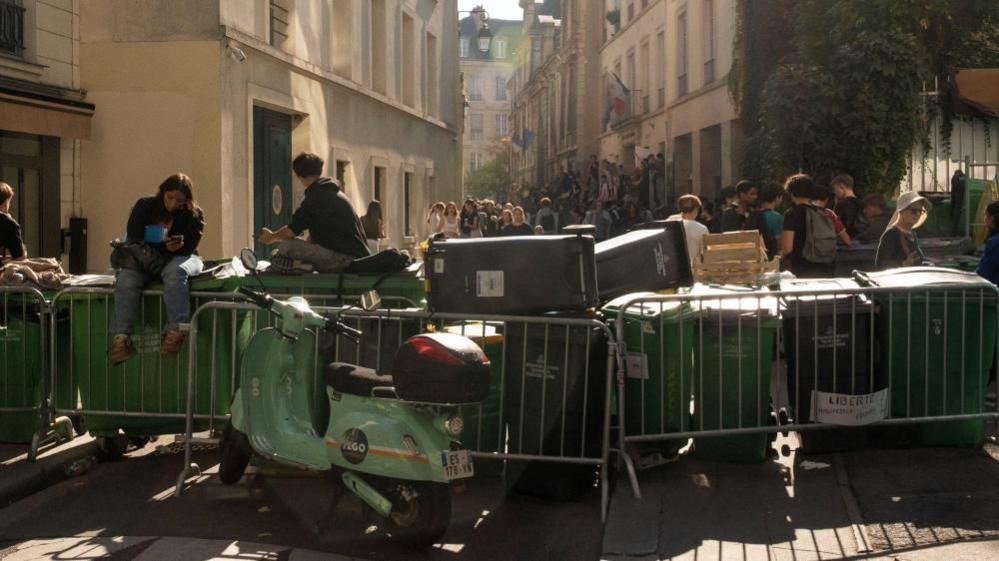
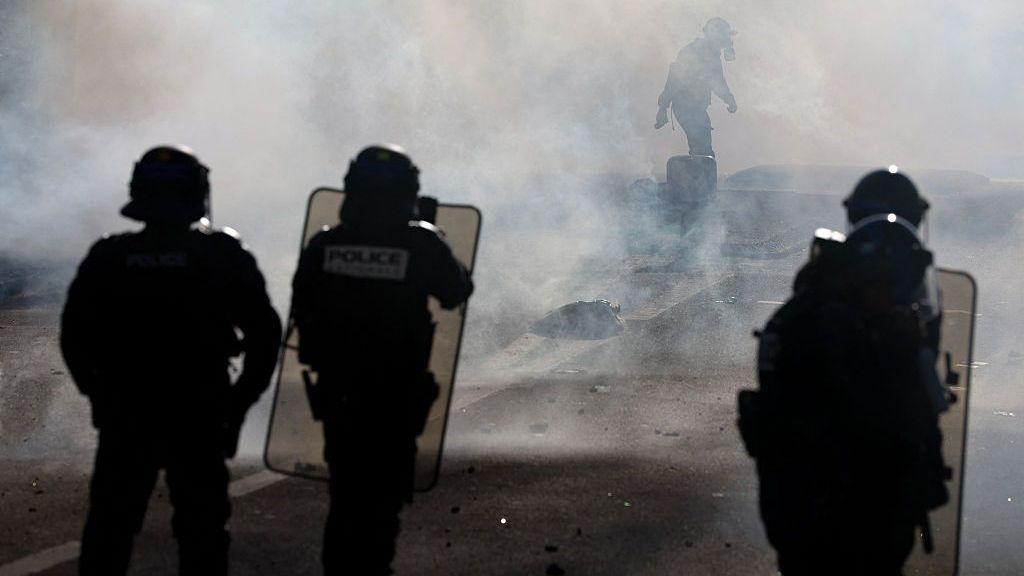
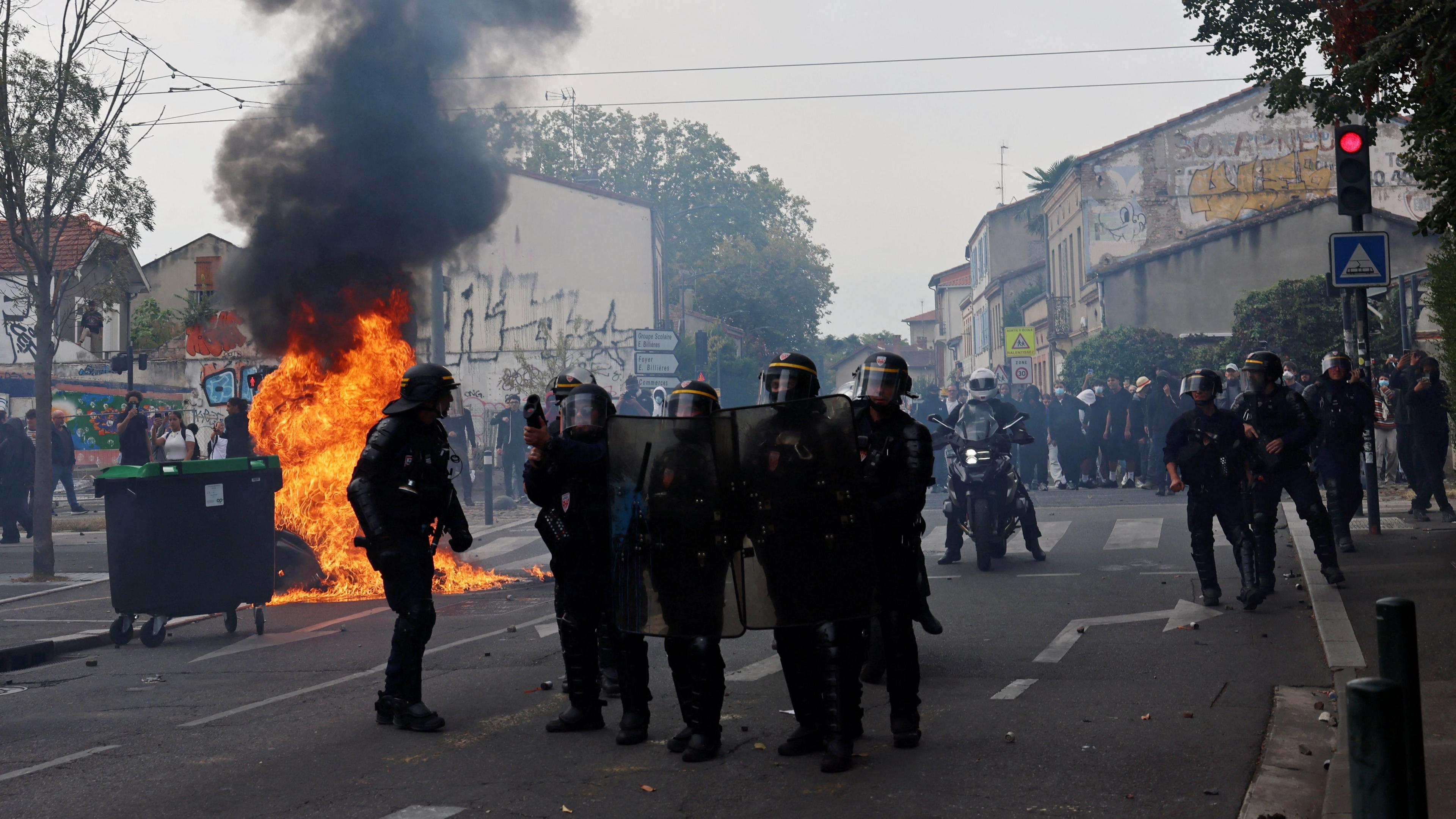
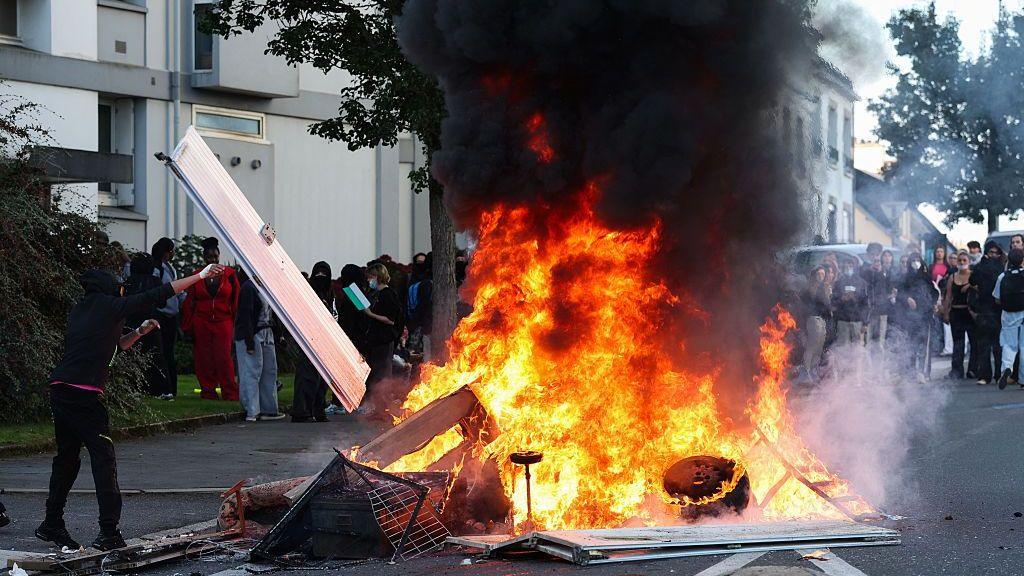
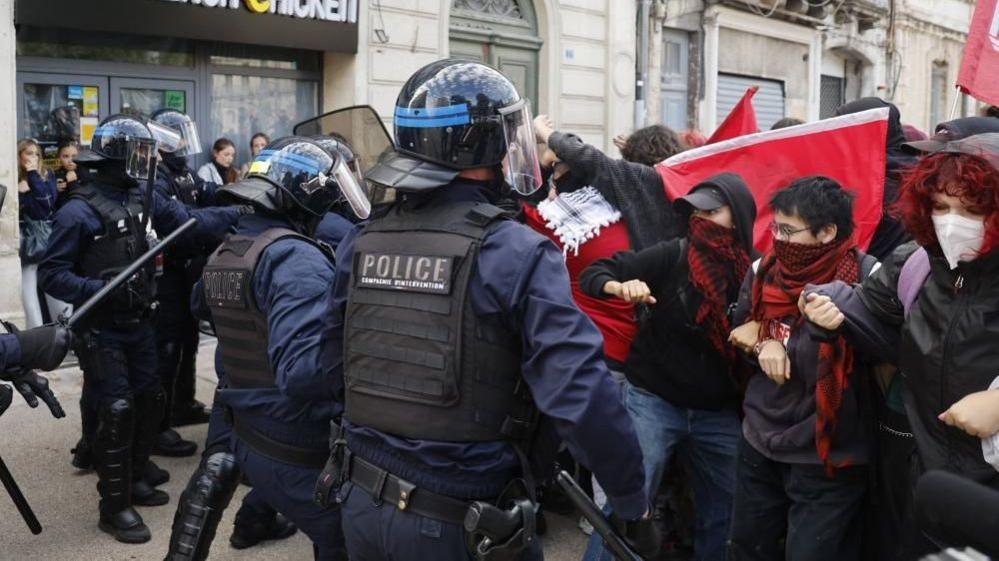
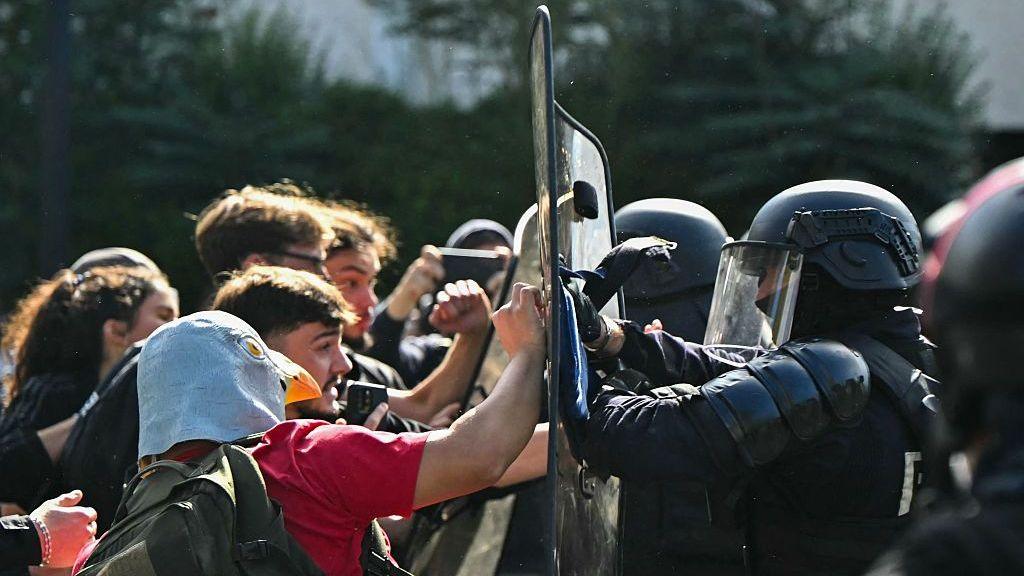
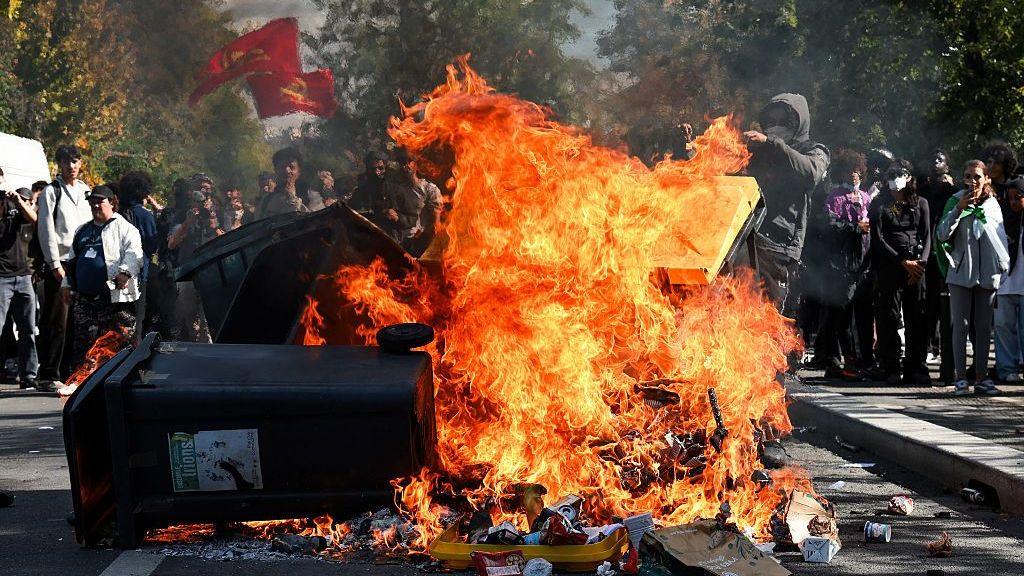
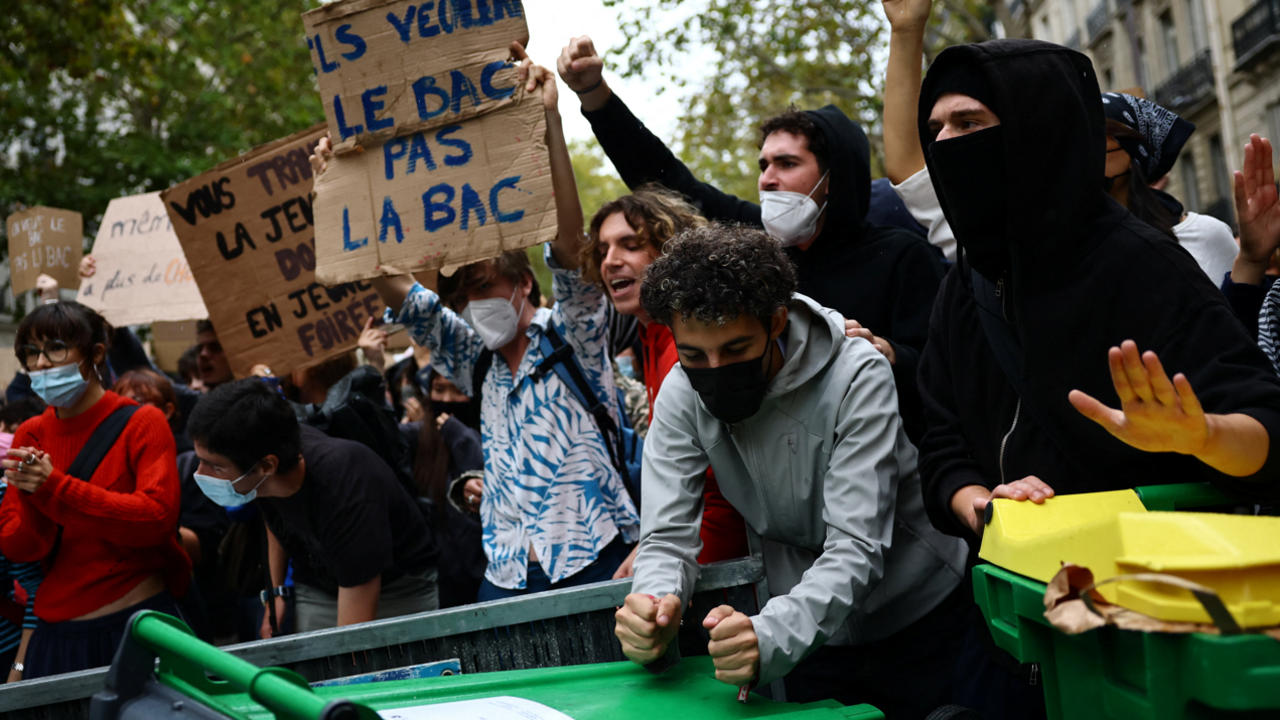
Since late September, students across France have seized high‑school gates in a nationwide strike over perceived underfunding, staff shortages, and an opaque register of university places. The protests have turned violent in several locations, leaving hundreds wounded and thousands, including unknown agitators, in custody.
"Teachers sometimes sit out for weeks without replacement," says a Parisian student interviewed by BBC. “Our buildings are boiling hot during heat waves and it feels like we are fighting a system that has forgotten us.” A mix of other grievances has joined the core: banned mobile phones, school days that stretch until 18:00, and the pressure from a high‑stakes education portal known as Parcoursup.
Parcoursup is a breeding ground for anxiety; with 80% of each cohort passing the baccalauréat, competition for desirable courses creates a climate of stress. France spends more per lycée pupil than the EU average, yet teacher pay remains low and the country suffers from a moderate but painful shortage of qualified staff.
Analysts note that the school day’s length is not unique to France; long lunch breaks and a complex timetable account for the late finish, not an extension of learning time. Despite these pressures, the scale of violence and coverage has never been “unprecedented,” Interior Minister Laurent Nuñez has warned.
Historical Echoes of Student Power
The current revolt is steeped in a history where student blockage of schools has swayed policy. In 1990, a school rape in Seine‑Saint‑Denis triggered a mass rally that forced the government to inject €1.2bn into lycées. In 1998, 500,000 students marched across the country demanding improved facilities, leading to an additional €1bn for renovations and 14,000 new staff.
Further back, the 2006 withdrawal of a youth employment law and the 2018–19 yellow‑vest uprising pressured the government to adjust fuel taxes and release €10bn of spending, showing that street protest can outpace parliamentary debate in France.
The struggle has political ramifications: Prime Minister Sébastien Lecornu describes himself as “the weakest prime minister” in living memory and faces a parliament split in a snap election held in June 2024. With a deficit of 5.4% of GDP and a debt that ranks highest since the 1940s, Lecornu’s hands are largely tied – a fact that emboldens the students who feel backed by teachers, labour unions, and left‑wing politicians.
A recent poll shows 72% of French citizens find the youth demands legitimate and 55% support the movement. An additional rally is scheduled for Thursday afternoon, leaving the nation on edge as the chapter in student activism continues to unfold.