Vanishing Acts: How India's Street Magicians Are Disappearing
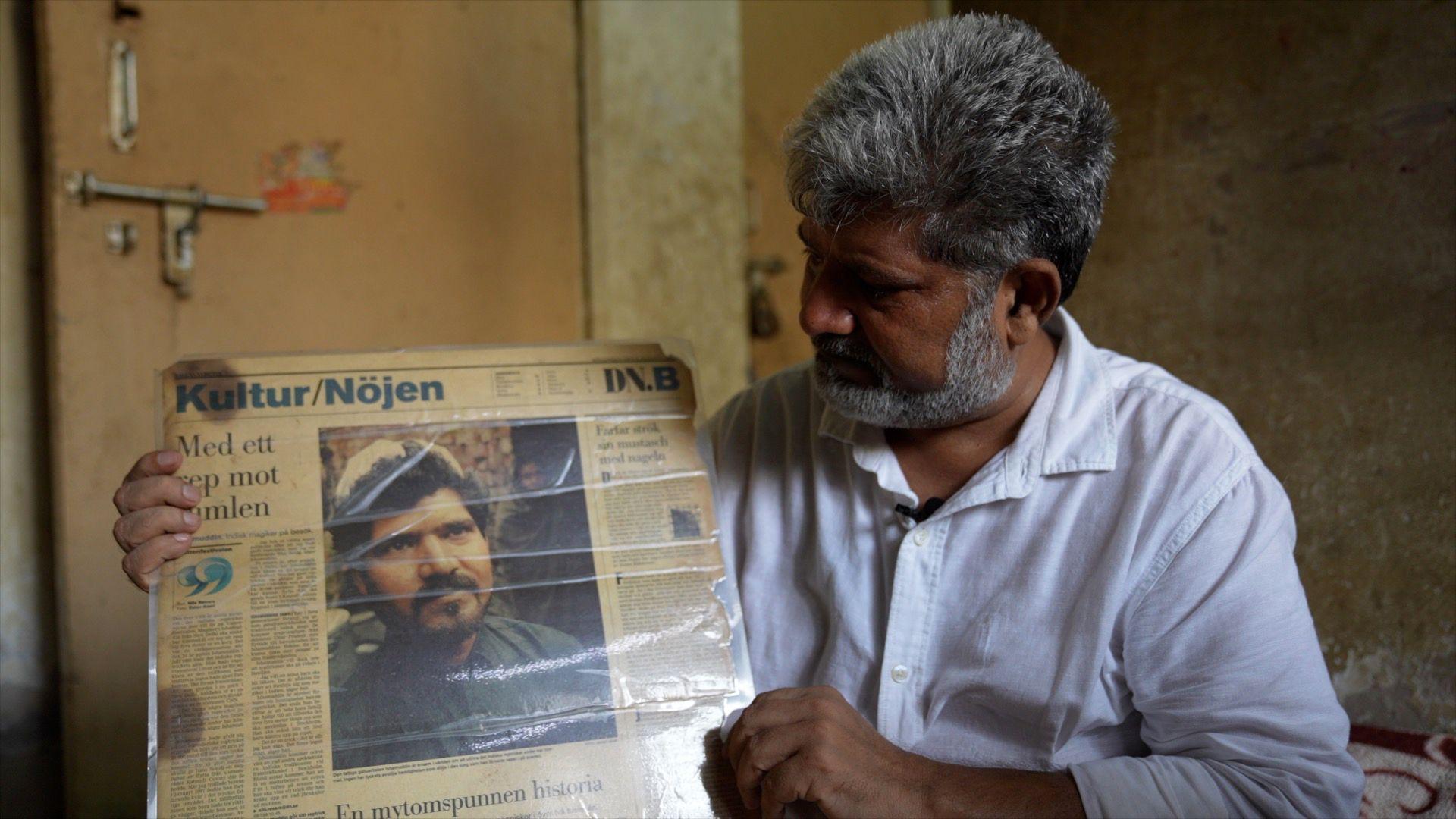
Sitting in a cramped Delhi home, 55‑year‑old Ishamuddin Khan still manages to make a rope appear to rise into the air—only now he looks back at the magic with nostalgia rather than awe.
For decades, Khan perfected a rope trick that once seemed impossible. The performance, first showcased in 1995 outside the Qutub Minar and later before 30,000 people on a Karnataka beach, earned him international acclaim and a series of tours across Europe and Japan.
But the fame faded as the public moved to screens and street spaces shrank. In a city where parks have become gated, traffic lanes are sealed, and a new wave of security measures limits open play areas, street performers find it harder to attract crowds or even locate a stage.
The Madari community, from which Khan hails, has about 400 families in Delhi and hundreds more in neighboring states. They trace their craft back centuries, passing tricks from father to son in a tradition that is now at risk of extinction.
Covid‑19 compounded the problem. The 2020 lockdown brought an abrupt end to all outdoor performances. Many magicians relocated to villages and never returned; those who did come back faced curbed audiences and tougher regulations.
One such magician, 40‑year‑old Imam Khan, now collects bottles and recyclables near a Delhi dump, earning just a few dollars a day. Another, 42‑year‑old Shahim Khan, works mainly in industrial zones, a drastic downgrade from managing up to five shows a day in the past.
Experts point to a lack of a national busking framework as a core issue. While the UK has clear rules for street artists, India relies on disparate state‑level legislation that blurs the line between cultural expression and begging.
“The line is blurry; it feels like we’re juggling rules, not superstitions,” says performance lawyer Kaushik Mitra. Meanwhile, audience tastes shift toward short‑form digital content, leaving less room for traditional live magic.
For Khan, the loss is more than monetary: it threatens a living heritage that disappears with each forgotten trick. His son, Altamash, once performed juggling for Shahim but now decorates parties with balloons, and says he is slowly losing the rhythm of the old routines.
The story of Ishamuddin Khan and his community is emblematic of a wider cultural crisis: the disappearance of street art in urban India, the displacement of informal economies, and the fading of rituals that once bonded neighborhoods. Without a new platform or supportive policy, the magic that once danced on Delhi's streets may simply vanish into a quiet, unrecorded future.