India's Looming Trade Hangover: Why Chinese Goods Are Drowning the Economy
Take a walk into a Delhi toy shop and you might see a child’s new favorite pastime amid a silent warning about the nation’s growing economic clutch around China.
When the government raised toy tariffs from 20% to 70% in 2020, it aimed to push local producers and keep cheap knock‑offs at bay. The move worked – imports dropped from $300 million to $100 million, while exports almost doubled.
But toys were a small slice of the pie. In 2026 India’s trade deficit with Beijing shot up to $112 billion from $44 billion just a few years before, a figure that outpace the world’s most uneven bilateral relationship.
Experts warn that the problem runs deeper than finished goods. Over a third of India’s industrial imports are in electrical machinery and electronics, followed by 21% in machinery and mechanical appliances. Even when India cuts imports of finished phones, it still imports the tiny yet vital components that make sale‑ready devices.
India manufactures a large share of iPhones, but the assembly still depends on Chinese parts – a pattern that extends to solar panels, batteries and advanced alloys.
This heavy reliance on imports for core inputs means that any disruption in China’s supply chain could choke production itself, not just consumption. A sudden halt could ripple through every industry that depends on those parts.
Financial analysts point out that China’s surplus production capacity has pushed goods into markets it cannot absorb, and India’s expanding manufacturing hubs make it an attractive cheap destination for these goods.
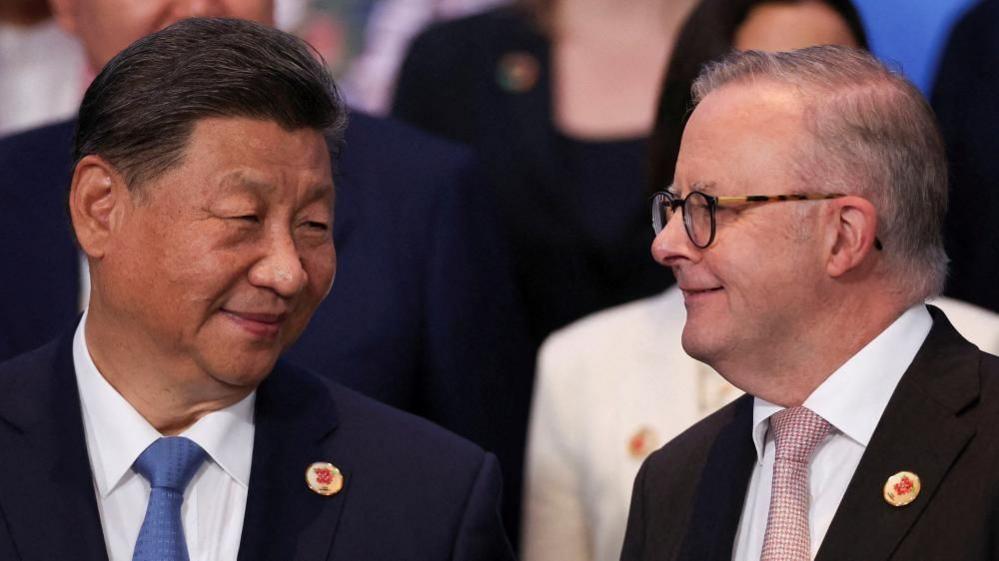
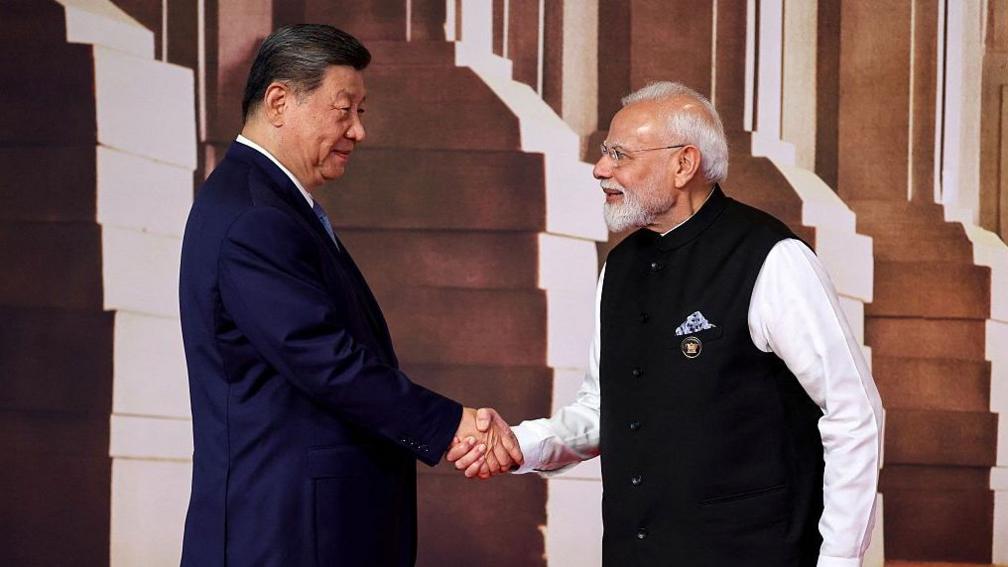
At the BRICS summit in Delhi, Prime Minister Narendra Modi and President Xi Jinping pledged to address the “structural” trade imbalance. Yet the same officials cautioned that without a concrete plan to replace imported components or gain reciprocal market access, the deficit will only widen.
Proposals at the table include tightening foreign‑direct‑investment rules to favor tech transfer and local production, and creating sector‑specific policies that reduce dependence on Chinese inputs while encouraging exports of high‑value goods such as pharmaceuticals.
Ultimately, the country needs an integrated strategy that mixes manufacturing support—affordable power, reliable logistics, smart regulation—with proactive trade negotiations. Only then can India hope to lift its 112‑billion‑dollar deficit and secure its own economic sovereignty.