Another shutdown for parts of the federal government is looming this weekend as lawmakers grapple with new immigration policy restrictions. The Department of Homeland Security's funding expires Saturday, with Democrats insisting on new limitations following the recent tragic shootings involving federal agents.
Negotiations between Congressional leaders and the White House have stalled, further increasing the likelihood of a government funding lapse. Unlike the record-breaking shutdown that extended for 43 days last year, this closure will primarily affect agencies under the DHS umbrella, including Immigration and Customs Enforcement and Customs and Border Protection. Although many federal programs remain funded, essential services could be disrupted, such as airport screening operations.
Why is a Homeland Security shutdown happening?
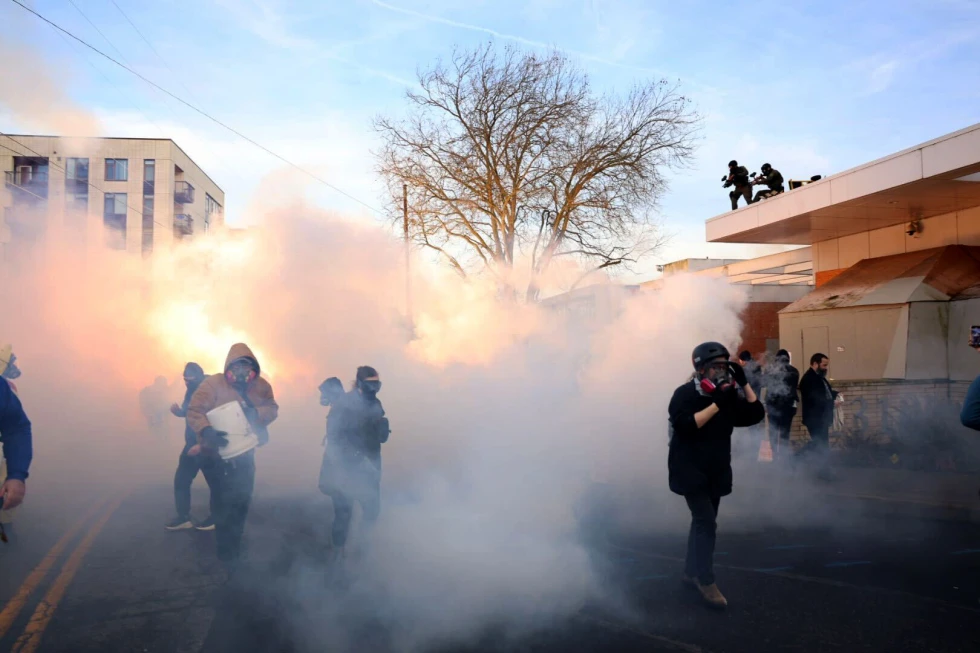
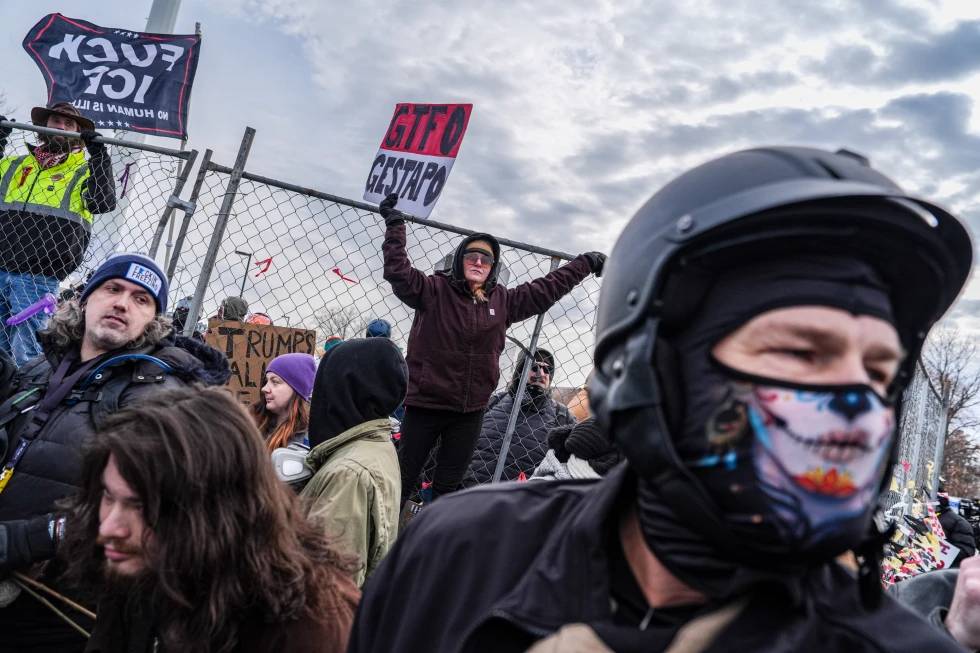
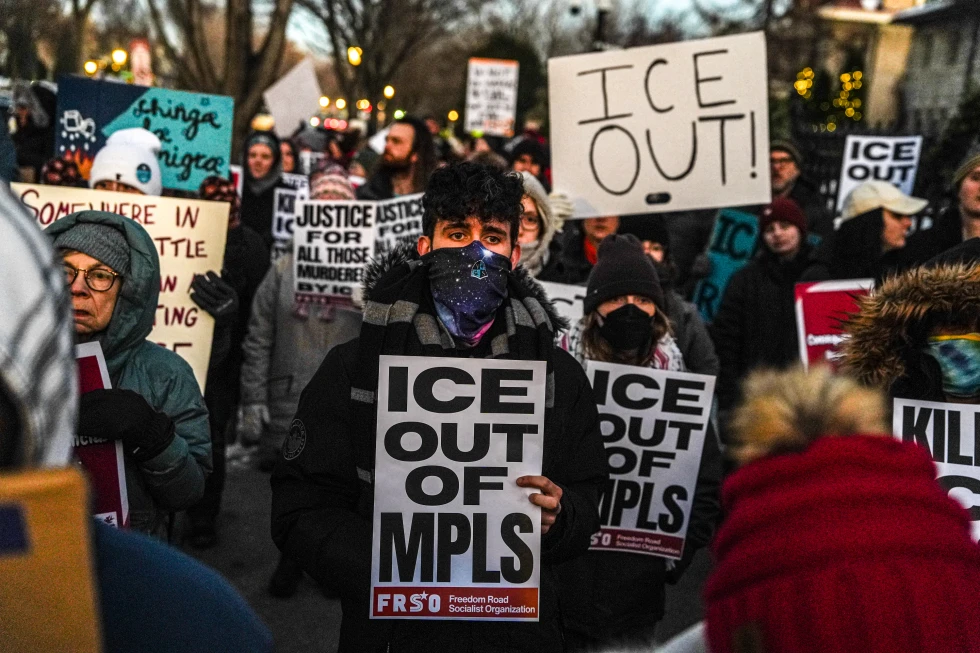
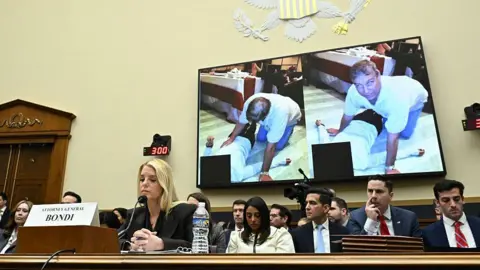
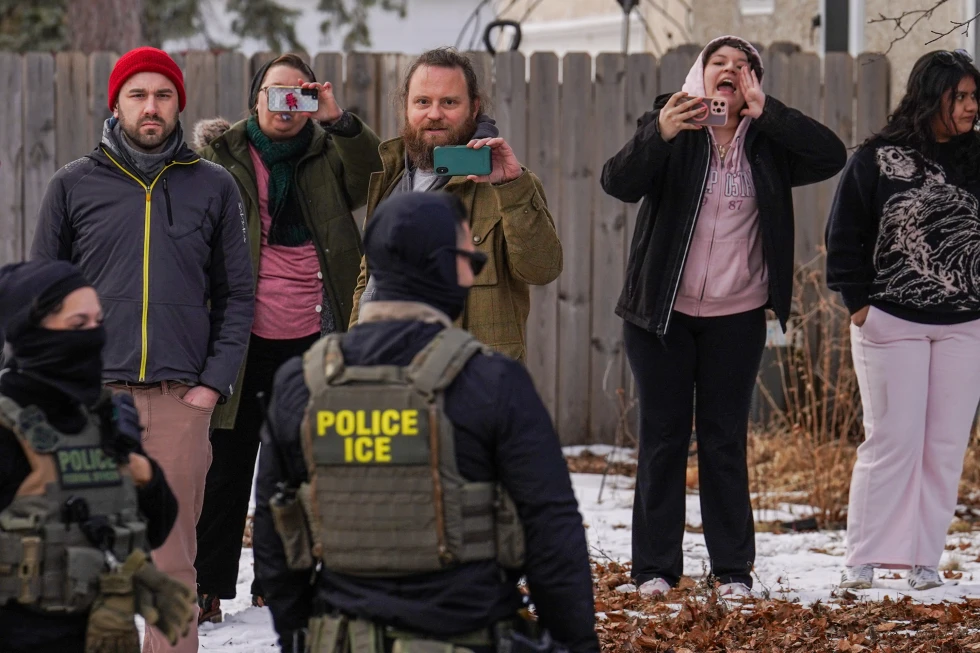
The current standoff stems from President Trump's agreement to separate DHS funding from broader federal spending legislation, allowing for further discussions on immigration reform. Democrats have called for more oversight on immigration enforcement following violent incidents last month that claimed the lives of two civilians in Minneapolis.
While most federal services will continue uninterrupted, essential employees at agencies like the Transportation Security Administration (TSA)—who make up 95% of its workforce—may face delays in pay during the shutdown. Officials warn that growing staff shortages could increase wait times at airports, echoing problems experienced during the previous shutdown.
Impact on Federal Employees
The stoppage could affect over 270,000 DHS employees, many of whom are classified as essential. These employees will continue to work but without compensation until funding resumes. Importantly, TSA officials have observed increased employee absenteeism during previous shutdowns due to financial strain. Should the shutdown persist, it could complicate security operations and disaster recovery efforts, with agencies like FEMA experiencing delays in service coordination.
As legislative discussion remains ongoing, both sides are under pressure to resolve the standoff before funding officially lapses, raising concerns over the repercussions of government inactivity.