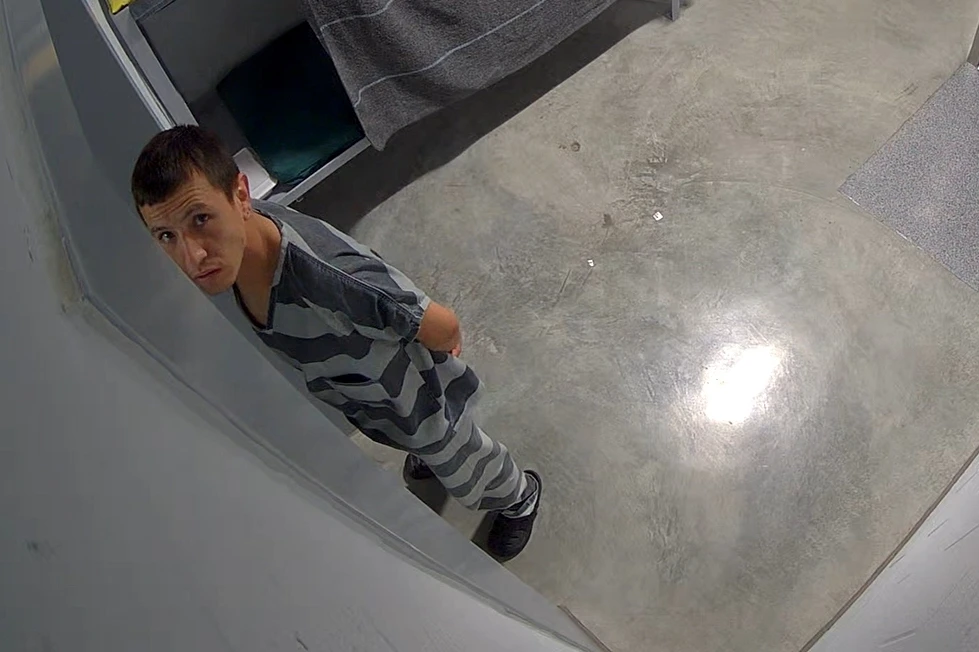
MINNEAPOLIS (AP) — A federal judge has ordered the Department of Homeland Security to give immigrants detained in Minnesota access to attorneys immediately after they are taken into custody and before they are transferred out of state.
U.S. District Judge Nancy Brasel issued the emergency restraining order on Thursday. She found that detainees at the Bishop Henry Whipple Federal Building face numerous logistical barriers in contacting legal counsel, suggesting that the Department of Homeland Security may be infringing on their constitutional rights.
The order is temporary and will last for two weeks unless extended by the judge.
“It appears that in planning for Operation Metro Surge, the government failed to plan for the constitutional rights of its civil detainees,” Brasel stated in her 41-page ruling. She dismissed DHS attorneys' claims that improvements in access would lead to chaos.
“The Constitution does not permit the government to arrest thousands of individuals and then disregard their constitutional rights because it would be too challenging to honor those rights,” she added.
DHS officials have yet to respond to this ruling. The Advocates for Human Rights and a detainee filed a lawsuit last month, claiming that those held at Whipple are being denied adequate access to legal representation, especially in light of deportation threats. While attorney Jeffrey Dubner noted that detainees can make phone calls, ICE personnel typically oversee these communications.
Justice Department attorney Christina Parascandola acknowledged in court that detainees have access to counsel and can make unmonitored phone calls at any time. However, she admitted to never having entered the Whipple facility.
The evidence presented during the lawsuit indicated that detainees face significant barriers to accessing legal help. Judge Brasel cited information from The Advocates for Human Rights, demonstrating that detainees are often relocated quickly and without notice, complicating attorneys' ability to locate their clients or understand how long they would remain detained.
Moreover, these rapid transfers sometimes lead to DHS struggling to keep track of detainees' whereabouts, and the online system meant to locate detainees is not consistently reliable. Detainees typically receive only one phone call, often made in the presence of ICE personnel, and the lists of low-cost legal services they are given are not always accurate.
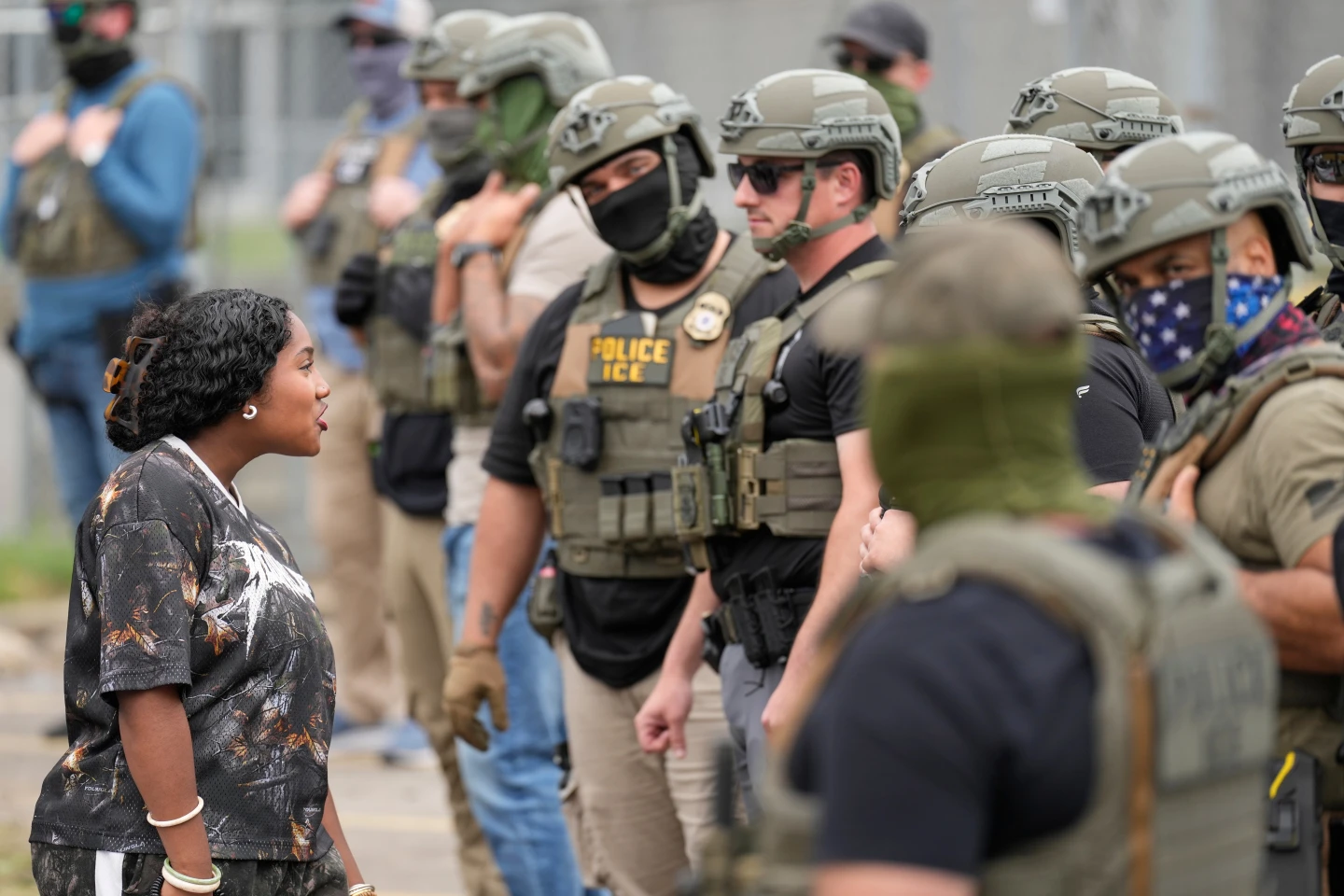
Federal agents have also denied attorneys in-person access to their clients and have pressured detainees to sign voluntary deportation agreements without consulting legal counsel. “All of these barriers make it difficult — if not impossible — for attorneys to effectively represent their clients,” Judge Brasel noted.
This ruling directs the government to ensure that every noncitizen held at Whipple can contact an attorney within one hour of their detention and before any transfers occur. The judge mandated that detainees be provided accurate lists of legal service providers and unimpeded access to private telephones.
The ruling emphasizes that attorneys must be allowed to meet with clients privately, seven days a week, and prohibits any transfers outside the state for the first 72 hours after detention. DHS is required to inform detainees about any planned transfers and ensure they have telephone access until they can reach an attorney or family.
“The court has made clear that the Trump-Vance administration’s overreaching and inhumane approach to immigration enforcement is unlawful and violates basic constitutional rights,” stated Democracy Forward President Skye Perryman, part of the plaintiffs' legal team. “Access to a lawyer is not optional; it is a fundamental right in America, and we will continue to fight to protect it.”
This ruling underscores the ongoing implications of immigration enforcement practices and the critical need for legal protections for vulnerable populations.