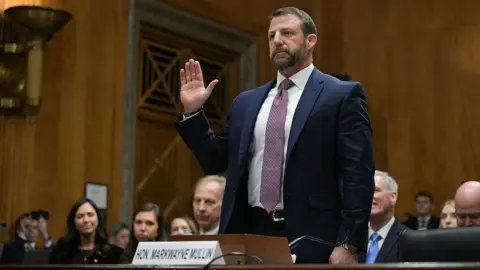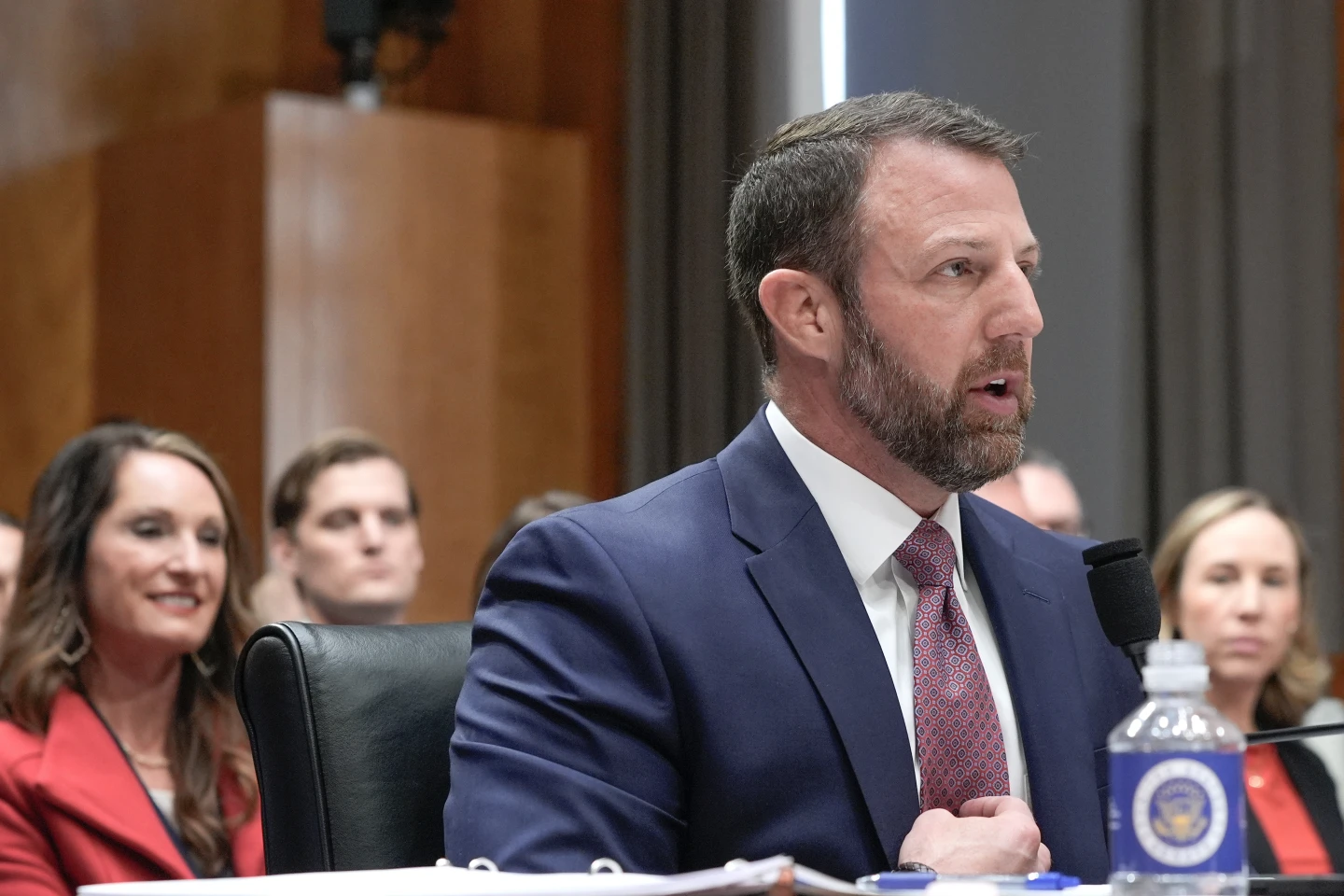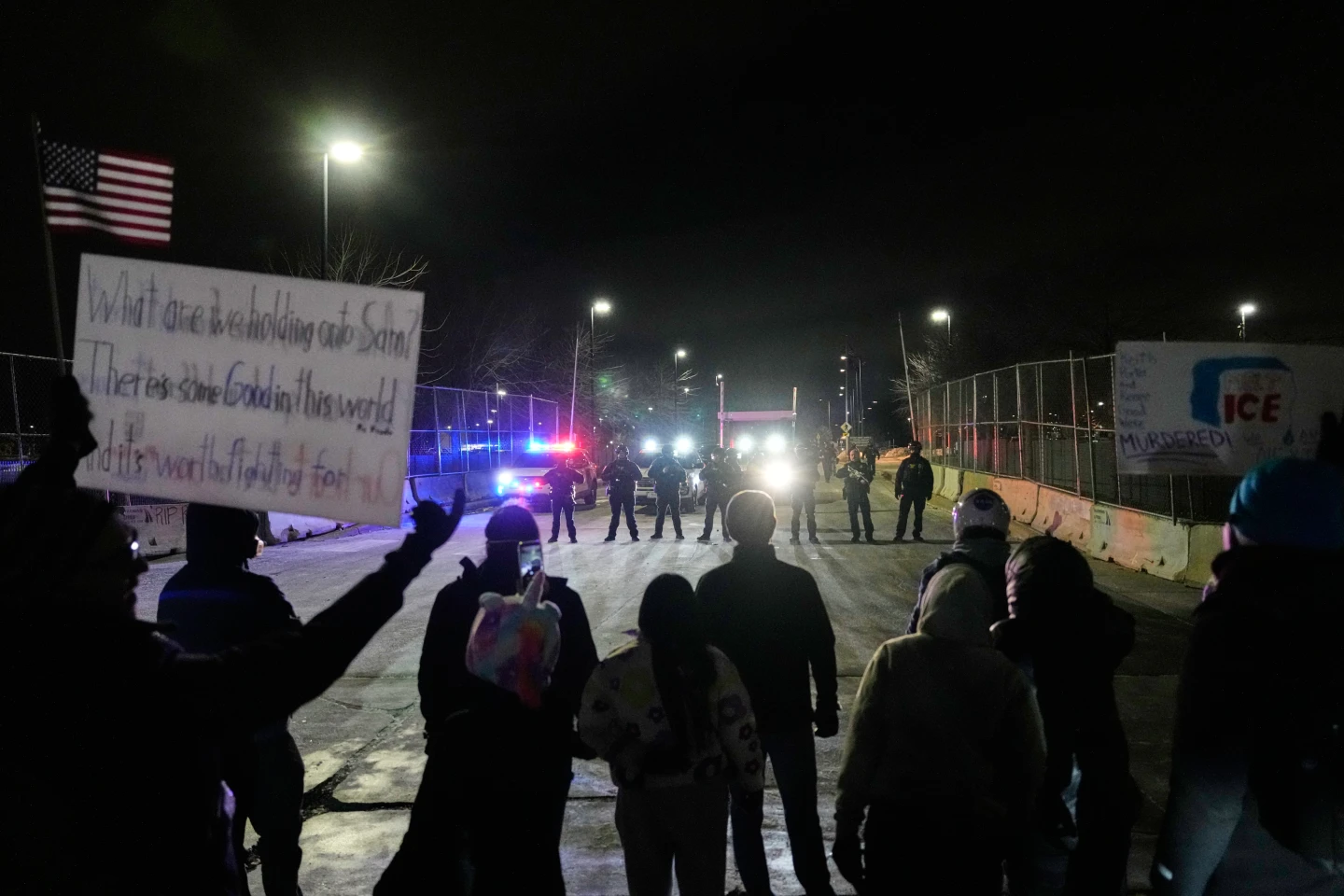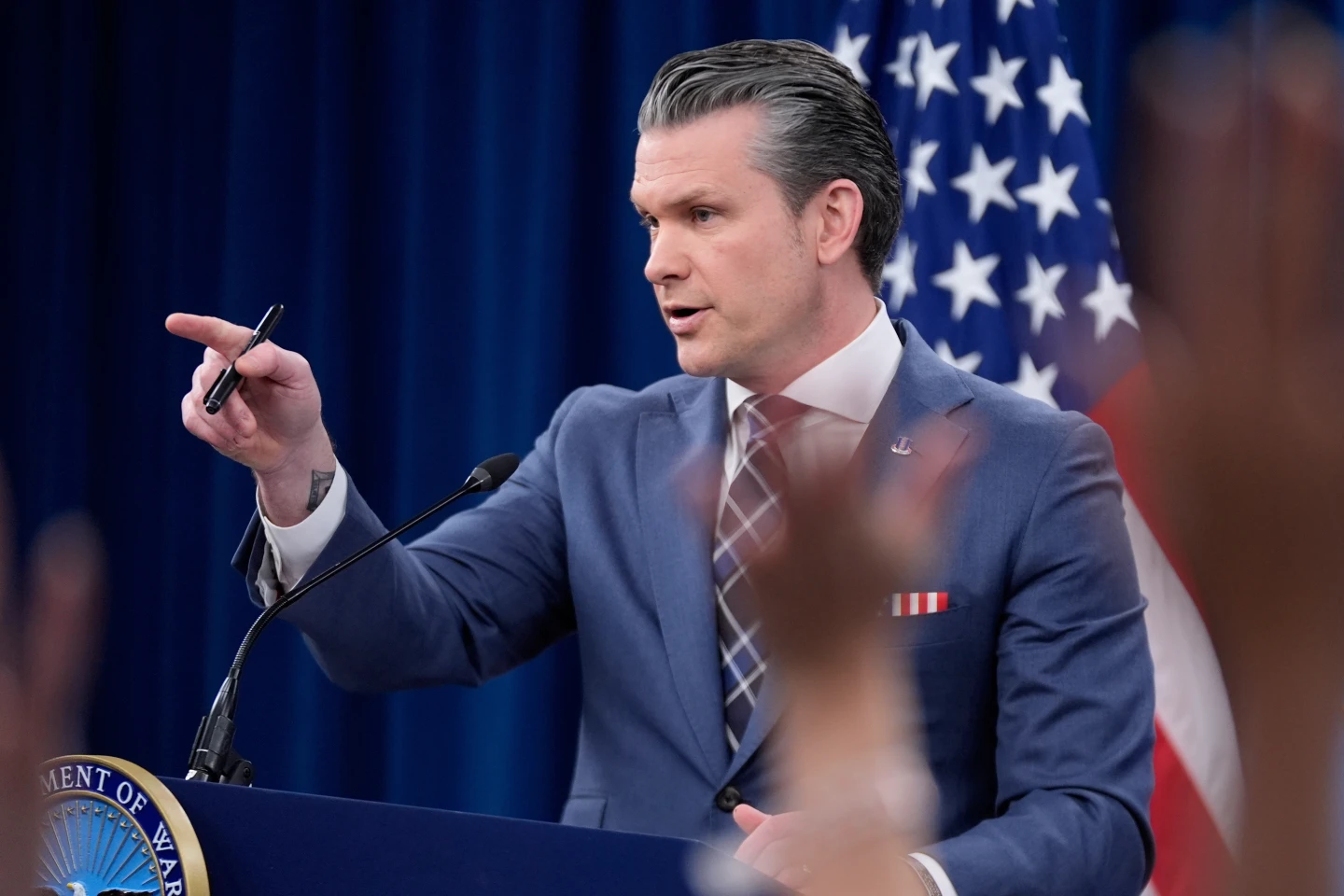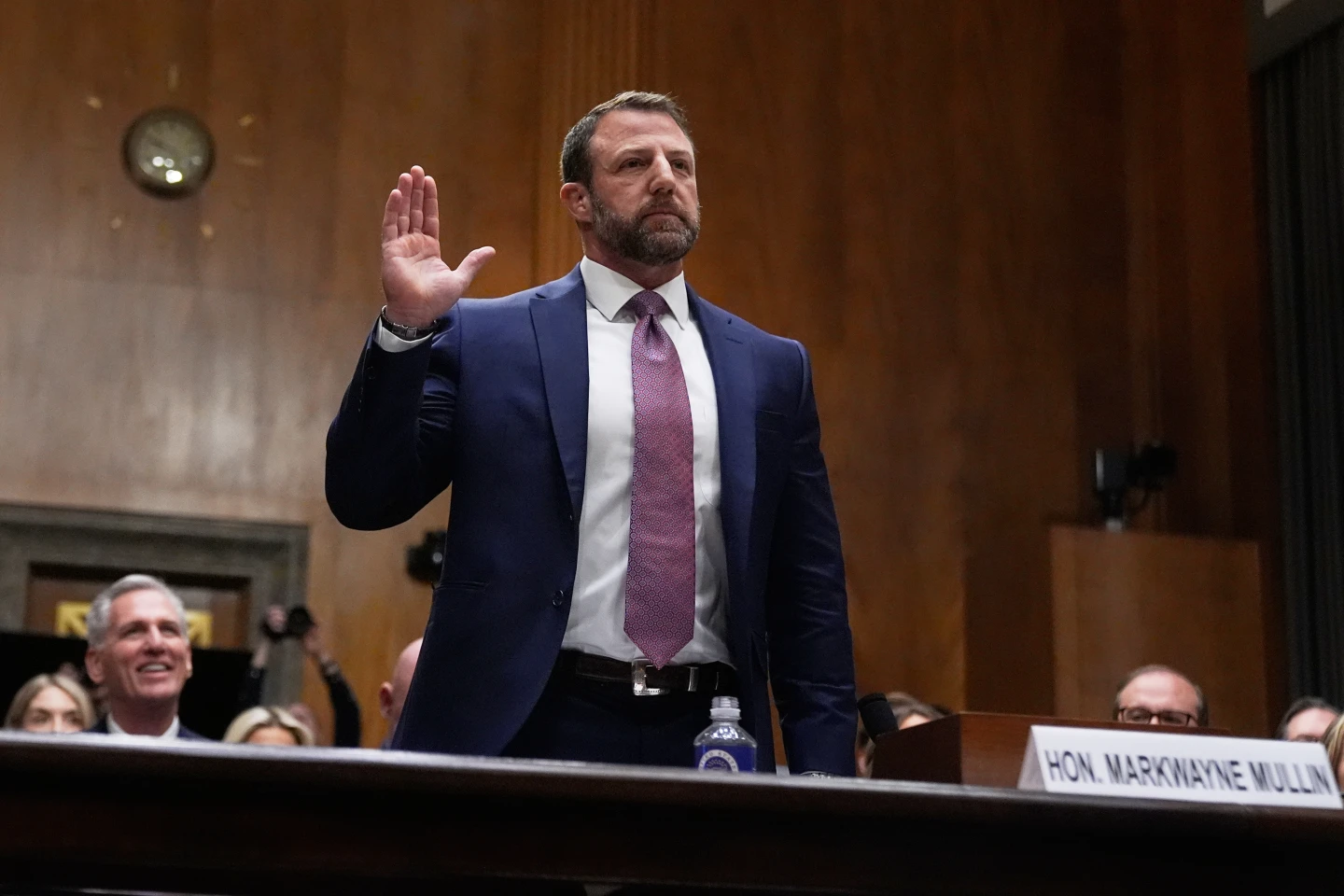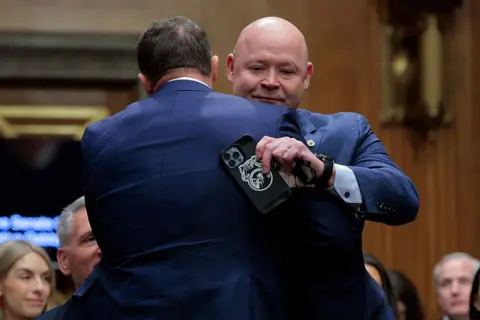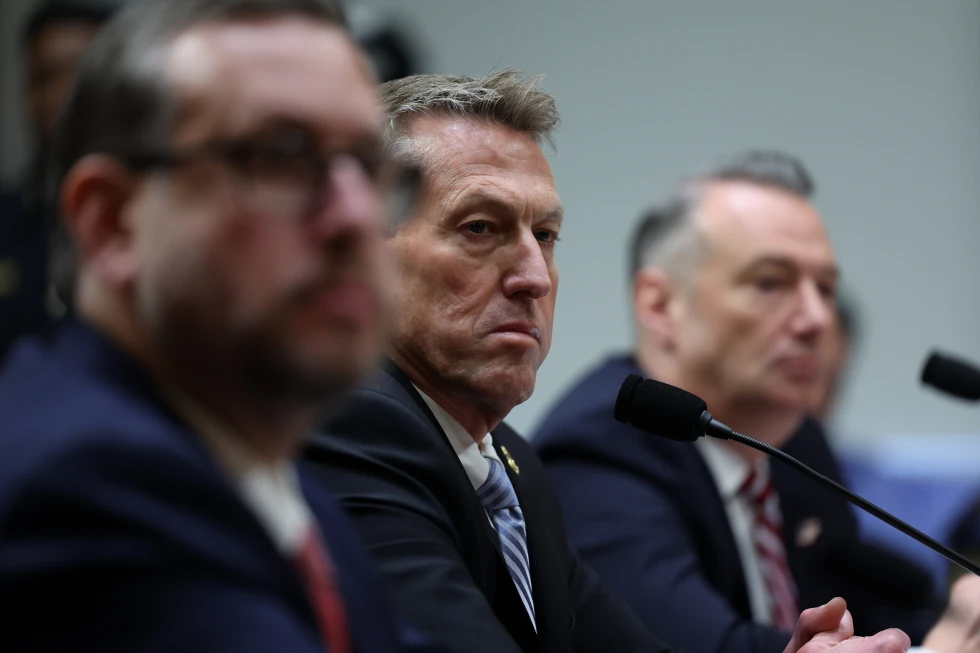
In a highly charged Senate hearing, held to review the immigration enforcement actions taken under President Donald Trump, Sen. Rand Paul unveiled deep concerns over the strategies employed by federal immigration officers, particularly in the wake of the shooting death of protester Alex Pretti. The hearing underscored rampant skepticism regarding the practices of U.S. immigration agencies, raising pivotal questions on how public trust can be restored.
Paul screened a video analyzing the moments preceding Pretti's death, challenging the justification of the procedures used by U.S. Customs and Border Protection (CBP) officers. He asserted that Pretti did not pose a threat, noting his retreating behavior as officers engaged with him. “He is retreating at every moment,” Paul stated, criticizing the excessive use of force employed by the officers involved.
In attendance were key figures such as Todd Lyons, acting director of Immigration and Customs Enforcement (ICE), who defended his agency's accountability measures. Contrarily, the hearing painted a worrying narrative of public erosion of faith in immigration agencies, an issue Paul emphasized. “To restore trust, they must admit their mistakes and reform,” he urged.
Amidst a backdrop of bipartisan criticism, Paul stood as one of the only Republican voices questioning the aggressive tactics of immigration enforcement, with many colleagues choosing to align themselves with a more supportive narrative of law enforcement. Lawmakers from both sides expressed dismay over the deaths of Pretti and another individual, resonating calls for a reassessment of operational procedures and rules of engagement.
Paul's remarks echoed a sentiment among various lawmakers who have voiced concerns on the broader application of force during immigration operations. The session provided a platform for examination of ICE’s administrative warrant policies, with legal implications that raised the eyebrows of many, including Senator Richard Blumenthal, who compared them to insufficient permission slips for law enforcement.
While the hearing illuminated widespread discontent with the conduct of immigration officials, it also marked a turning point in discussions about accountability and the treatment of immigrants in the enforcement process. Only time will tell if this heightened scrutiny will encourage the desired reforms within these vital agencies.