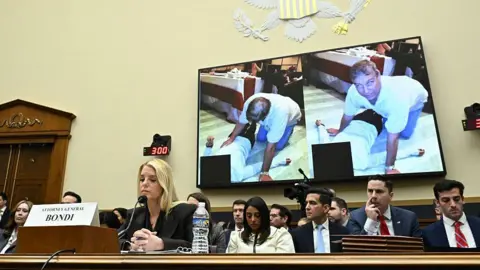
US Attorney General Pam Bondi found herself at the center of a contentious congressional hearing focused on the justice department's handling of files related to convicted sex offender Jeffrey Epstein. The hearing turned combative as Bondi faced persistent questions and criticisms regarding the handling of these sensitive documents, leading to direct confrontations with several lawmakers.
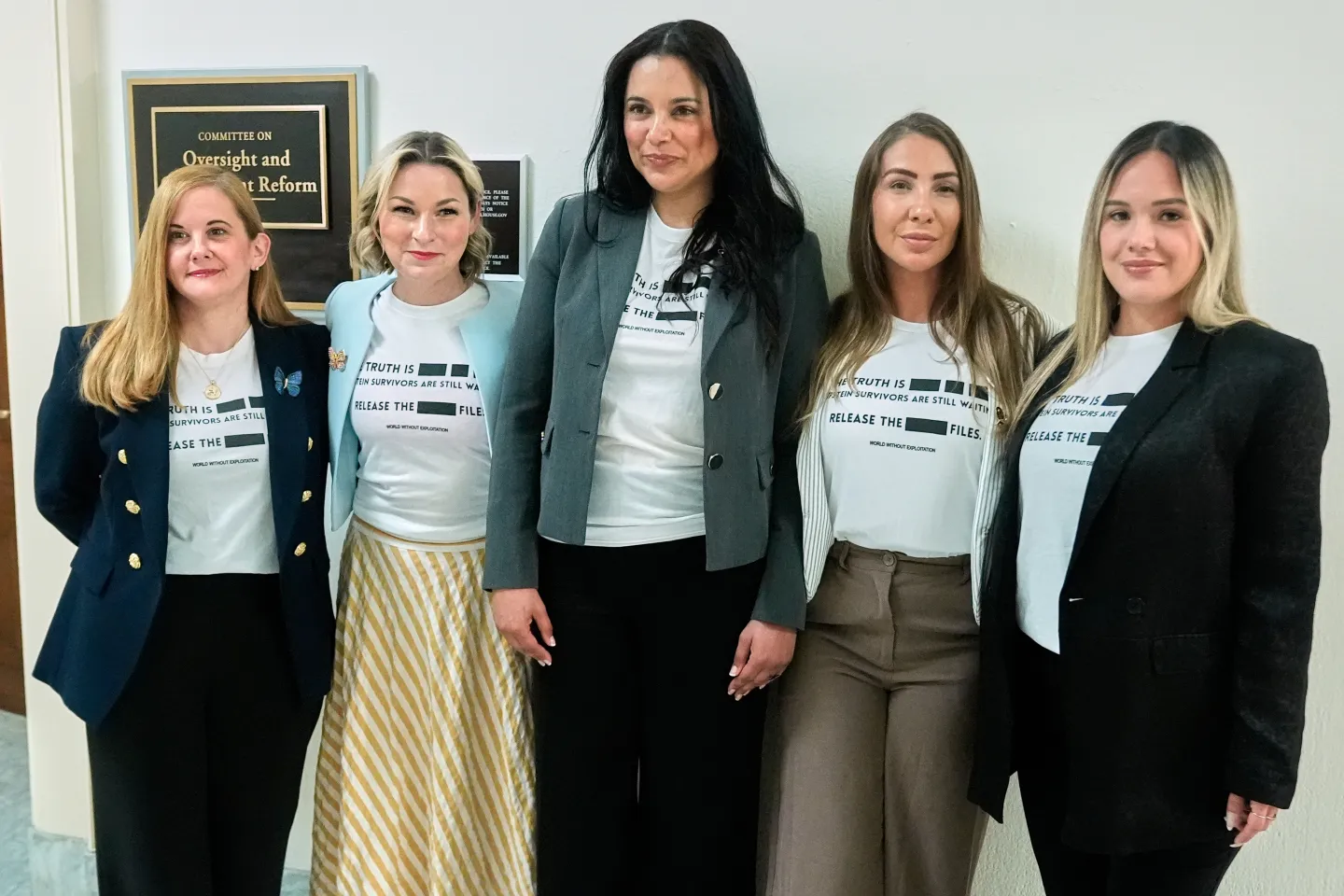
Epstein's victims, who had been seated behind Bondi, served as a poignant reminder of the stakes involved. Many lawmakers directed their frustration towards Bondi regarding alleged failures to adequately redact victims' names or sensitive information from the released files, raising concerns about the safety of survivors.
Throughout the proceedings, Bondi affirmed her commitment to protecting Epstein's victims but was accused of using evasive tactics. Democratic Representative Pramila Jayapal called out the justice department for releasing nude images and other sensitive content, sparking a heated dispute between her and Bondi, during which Bondi dismissed Jayapal's approach as 'theatrics.'
The tension escalated further as both Republican and Democrat lawmakers criticized the justice department's actions. Notably, Congressman Thomas Massie indicated this issue transcended political lines and suggested it entailed accountability extending across multiple administrations.
As the hearing unfolded, it also addressed other significant topics, including political inquiries into high-profile figures such as Andrew Mountbatten-Windsor, and the controversial actions of federal agents in Minneapolis. Bondi's responses and the back-and-forth dynamics of the hearing have ignited intense discussions regarding justice, transparency, and accountability within the federal government.