Examining US-Israel Relations Amid Recent Iran Conflict: Trump's Controversial Remarks
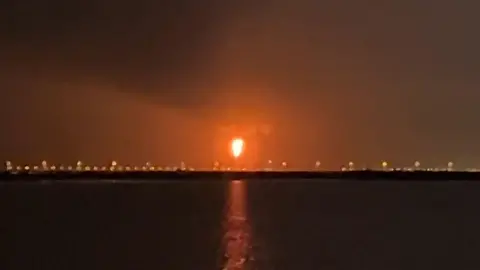
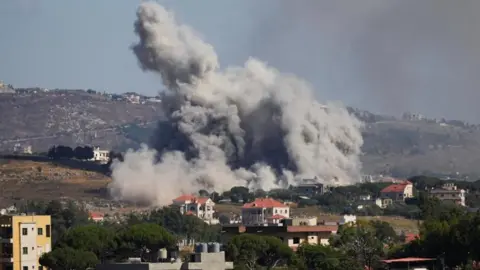
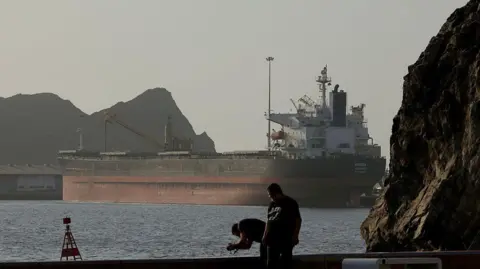
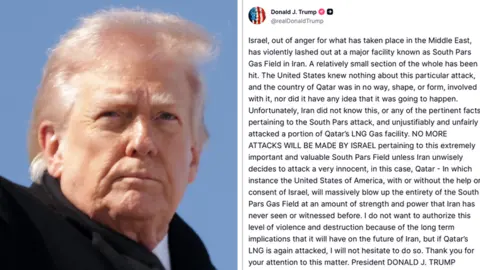
US President Donald Trump has issued a strongly worded statement following the recent attacks on the South Pars gas field shared by Iran and Qatar. This provocative military action by Israel and Iran's subsequent response has instigated discussions about the alignment of the two nations in their military strategies concerning Iran.
In a social media post on Truth Social, Trump claimed he was not aware of Israel's operations prior to the attacks, stating, The United States knew nothing about this particular attack. This assertion directly contradicts reports from multiple Israeli news sources suggesting that the attacks were coordinated between US and Israeli leadership.
Trump's accusatory tone, particularly his remarks that Israel acted out of anger and violently lashed out at the gas field, raises questions about whether he perceives Israel's actions as excessively aggressive. Furthermore, he declared that there would be no more attacks from Israel unless provoked by Iran, signaling a potential shift in US-Israeli relations.
According to Israeli officials, the objective behind the attack on South Pars was not merely tactical but aimed at destabilizing the Iranian regime's grip on power. In the context of America’s military goals, which have focused on infrastructural capabilities of Iran, there is a marked difference in how Israel has approached the conflict, emphasizing direct attacks on leadership and regime change.
Trump’s post vividly illustrates the delicate dynamics at play in the US-Israel partnership. While both countries share goals concerning Iranian aggressiveness, the extent of their coordination and the military strategy each opts to pursue may not be entirely in sync, especially as Trump suggests a potential need for previous consensus in future military undertakings.
As gas prices surge due to this diplomatic turmoil, with ongoing military actions complicating the situation, the American public is significantly less supportive of military engagements compared to the Israelis, creating additional political tension as the midterm elections approach.
As these events unfold, it becomes clear that the US and Israel's wartime strategies may diverge in critical ways as they navigate the complexities of an evolving conflict with Iran.