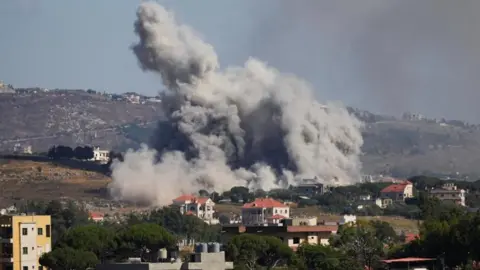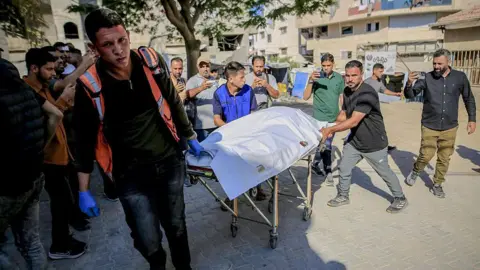
Israeli forces struck a central home in Gaza, killing six people including an Al Jazeera cameraman and at least one child. Health officials and rescuers confirm the casualties and the IDF claims the target was linked to Hamas militants, though no evidence was provided.
Al Jazeera condemned the strike as a brutal violation, marking it as a systematic policy of targeting journalists, and the death of the cameraman underscores the peril of reporting in conflict zones.
The Hamas‑run health ministry, whose figures the UN deems reliable, reports that 1,007 people have been killed by the IDF since the ceasefire took effect last October. A comma of casualties, however, highlights that the ceasefire agreement remains fragile.
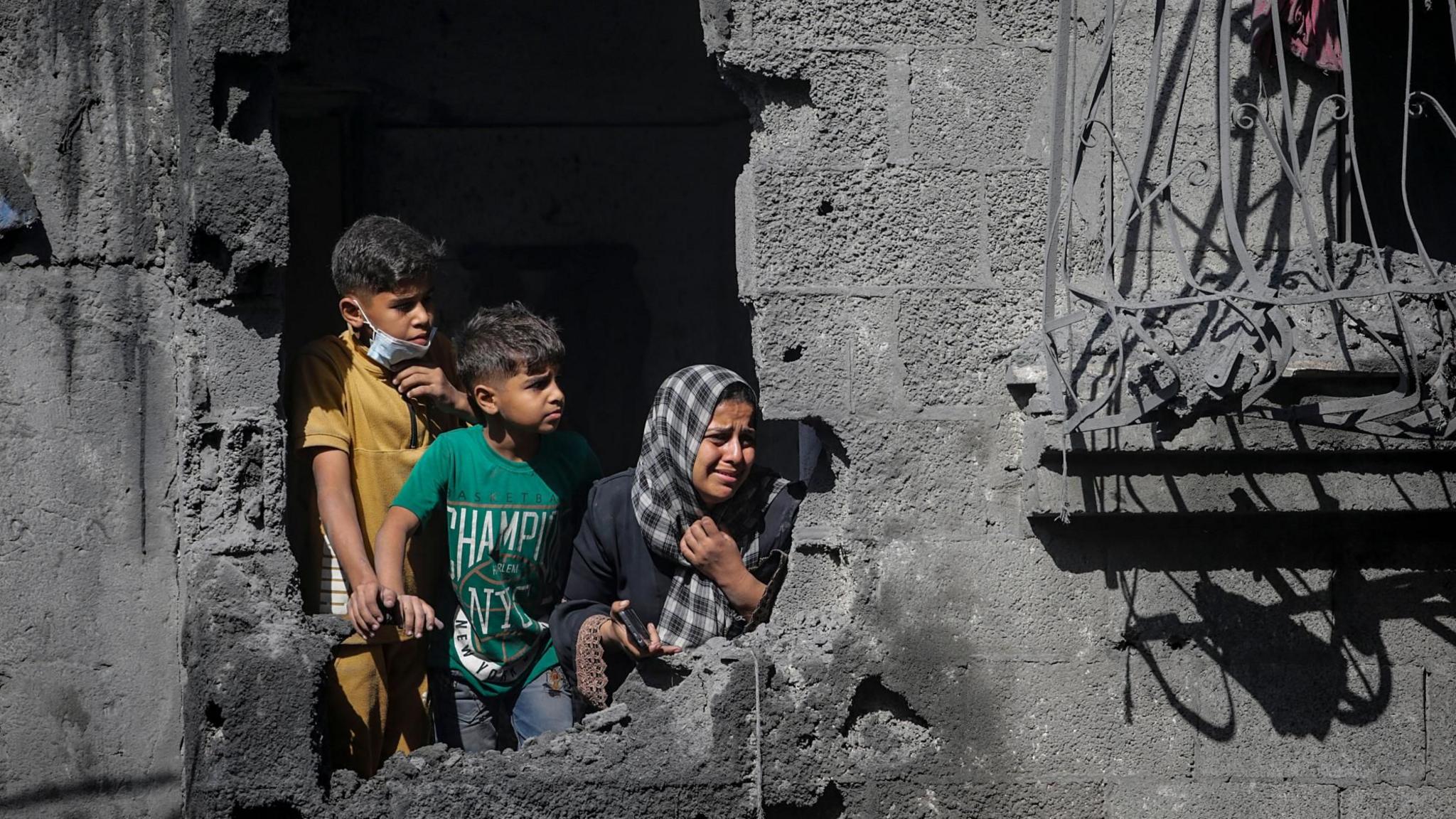
In the Bureij refugee camp, the strike also eliminated two other individuals whom the IDF accused of being part of Hamas. In the Sabra neighbourhood, a nightly strike on a home killed four family members, including two children, signalling a pattern of civilian loss.
Local testimonies describe the victims as civilians uninvolved with Hamas; one cousin asked the media, Is this really a ceasefire? underscoring the feeling of being caught in war.
Both Israel and Hamas claim the other violated the ceasefire since October, amid increasing political tensions. The ceasefire aimed to let humanitarian aid flow through, yet aid groups argue more help is essential as infrastructure remains damaged.
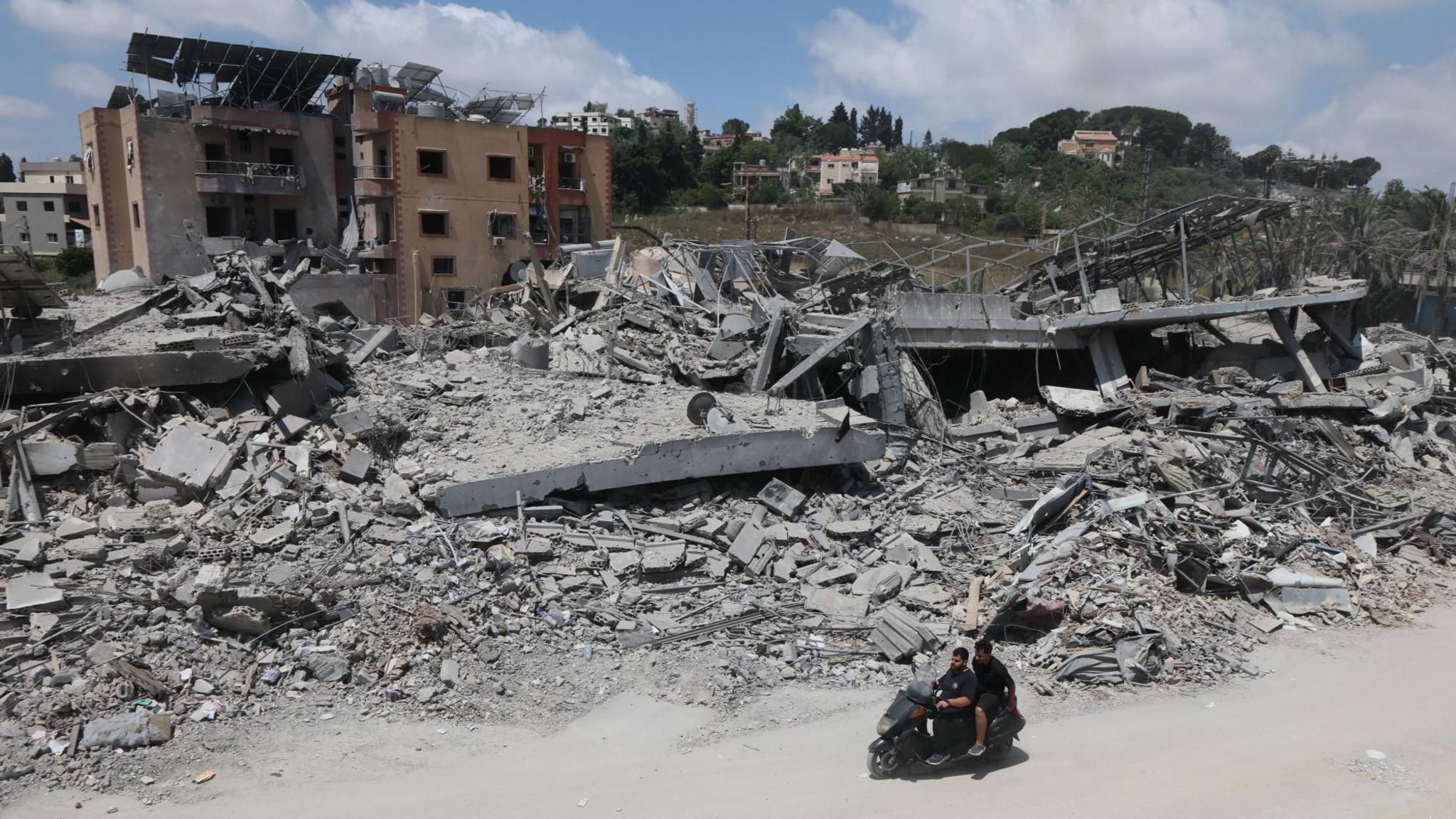
UN humanitarian chief Thomas Fletcher noted a drop from 92% to 36% of households going to bed hungry since the ceasefire, but highlighted that 70% of the population still requires proper shelter, and sanitation conditions are deteriorating.
The ceasefire also called for Hamas to disarm and not govern Gaza, but that hasn't materialised and a Board of Peace was created to oversee a technocratic committee. Israel’s Prime Minister says it is expanding control to 70% of Gaza, a move critics say "