In brief
An explosion at Qatar’s Ras Laffan industrial zone on the night of Sunday, 21 June, killed 13 people and injured 66 others. The blast, described by authorities as a technical accident, hit the Barzan local gas supply facility during a brief restart of operations after a prolonged pause. Energy Minister Saad Sherida al‑Kaabi stressed the incident was not sabotage and would not affect the country’s LNG exports, though it could delay resumption of plant activity. In response, the government is investigating the cause and a repair effort may cut output for up to five years.
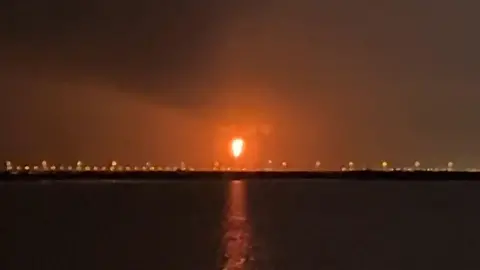
On the night of Sunday, 21 June, an explosion at Qatar’s largest liquefied natural‑gas (LNG) facility in Ras Laffan caused 13 deaths and 66 injuries. The blast was described by the government as a “technical accident” and the city’s skyline turned orange as the fire spread.
The Barzan local gas supply facility where the incident occurred had been shut down in March for urgent maintenance and only restarted two days prior to the blast. Energy Minister Saad Sherida al‑Kaabi said the incident “would not affect the country’s exports” and that it was not a result of sabotage or hostile action.
Officials noted that the plant’s output would be reduced by about 12.8 million tonnes of LNG for three to five years because of needed repairs. Qatar had already paused production in response to the Iran‑Israel conflict that caused extensive damage to the Ras Laffan port earlier this year.
The victims were all employees from India and Pakistan. The Embassy of India in Doha is working closely with Qatari authorities to support families of those killed or wounded.
Emergency teams quickly contained the fire, which is now under control. However, determining when the facility can resume full operations remains uncertain as investigations continue.
For more on how regional tensions are affecting Gulf energy infrastructure, see: Gulf economies face long‑term hit from Iran conflict.