Europe is shifting its diplomatic strategy as tensions rise with the U.S. over Greenland.
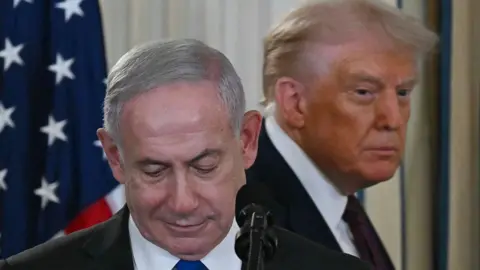
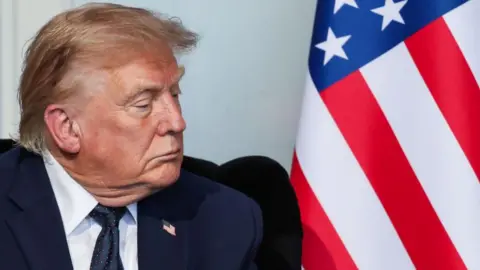
Reports indicate President Trump is adamant that Greenland is vital for U.S. national security. Questions about the potential use of force have left many Greenlanders uneasy, especially since Greenland is an autonomous territory of Denmark. Trump is pressuring Denmark's allies in the EU and NATO to offer support for American control over the territory, threatening punitive tariffs on exports from those who disagree.
This aggressive tactic poses significant concerns for European economies reliant on trade with the U.S., with particular emphasis on industries in Germany and Italy that face severe tariffs. Germany’s finance minister declared, we will not allow ourselves to be blackmailed, signifying a hardening of Europe's approach following Trump's recent threats.
Leading financial figures in Europe are recognizing that relationships with the U.S. must adapt in light of Trump's escalation of geopolitical tactics. Countries in the EU are considering retaliatory tariffs of up to €93 billion, further complicating transatlantic trade relations.
European officials expressed a collective desire for diplomacy paired with a credible deterrent. They are fostering a strategy akin to good cop, bad cop by signaling support for Arctic security initiatives while subtly threatening economic repercussions if Trump persists with his "Greenland tariffs."
Moreover, the dynamic is not just economic; it has profound ramifications for transatlantic security alliances. Experts suggest that if the U.S. continues to adopt an adversarial posture, it could jeopardize European trust in American guarantees for security, particularly amidst ongoing tensions with Russia and integral issues like the Ukraine conflict.
Calls for unity among European nations are critical as diverging interests threaten a cohesive response to U.S. pressure tactics. Prime Minister Keir Starmer emphasized the U.K.’s need to engage cooperatively with the U.S. to maintain defense relations, underlining the delicate balance Europe now faces.
As Europe grapples with the implications of Trump's aggressive policy discourse, the challenges of preserving existing alliances while promoting national interests are more pressing than ever, creating uncertainty in regional stability.