An Iranian missile strike has hit the town of Dimona in southern Israel, near a nuclear facility known for its long-held secrets surrounding Israel's nuclear capabilities.
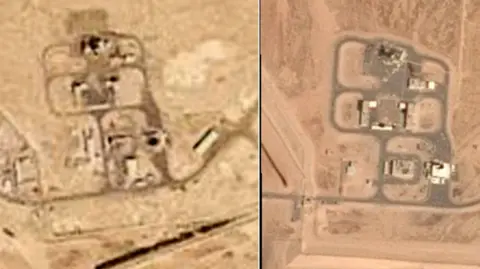
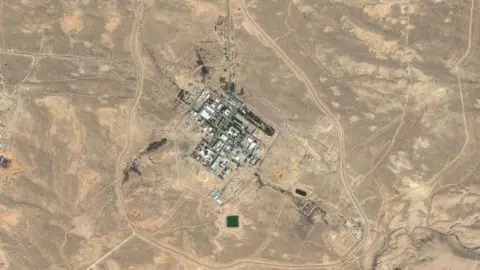
The International Atomic Energy Agency (IAEA) stated that it has not detected any damage to the nuclear research location, situated approximately eight miles from Dimona. However, tensions are high following Iranian state TV claims that the strike was retaliation for a reported attack on Iran's Natanz nuclear facility earlier on the same day.
Rafael Grossi, the IAEA Director General, emphasized the necessity of maintaining maximum military restraint, especially near nuclear sites.
In the aftermath of the missile strike, Israel's ambulance services reported treating 40 people in Dimona, with 37 suffering mild injuries and a 10-year-old boy in serious condition. A separate attack in Arad resulted in additional injuries, prompting an emergency response.
Israeli officials are investigating how the missiles breached their air defenses, as interceptor missiles reportedly failed to intercept the threats. This incident has reignited concerns regarding the capabilities and intentions of Iranian forces amid an ongoing conflict.
The Shimon Peres Negev Nuclear Research Center, often colloquially referred to as the Dimona reactor, has long been suspected of harboring Israel's undeclared nuclear arsenal. This makes any threat to the facility a matter of significant concern for Israeli authorities, who view the prevention of Iran obtaining nuclear weapons as a top priority.
Iran characterized the attack on Natanz as a breach of the Treaty on the Non-Proliferation of Nuclear Weapons, asserting there was no radioactive leakage. Previous attacks on the Natanz facility have also occurred, particularly during periods of escalated tension like the ongoing war that began on February 28.