In brief
Nowruz, the Persian New Year, is set to take place on March 20, 2026, but this year's festivities are overshadowed by the ongoing war in Iran. Despite historical significance and preparation rituals, many citizens express anxiety and sorrow, reflecting on the devastating impact of conflict on their celebrations and their homeland's future.
As Iranians traditionally welcome the Persian New Year of Nowruz, excitement is dampened by the grim realities of ongoing warfare. Mina, a woman in her 50s, reflects on how preparations for the festival, typically teeming with joy, now feel deeply melancholy. Every day feels so long. It's like I've lost track of time, she shares, tears in her eyes.
Nowruz, which symbolizes rebirth and renewal, will be celebrated on March 20 this year but is overshadowed by the assaults that have left significant casualties, with reports indicating over 3,000 fatalities, including many civilians.
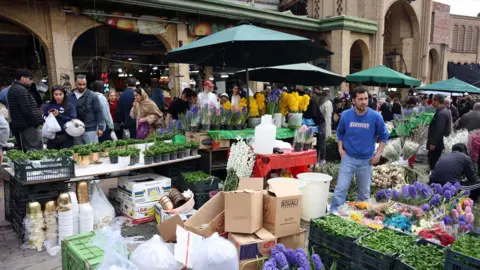
Amidst the chaos, markets show signs of life despite the fear of airstrikes. While some individuals, like Parmis, attempt to maintain a semblance of normalcy by engaging in festivities, anxiety looms large across the nation. The once bustling streets are now quieter, filled with uncertainty about the future.
Young people express resignation mixed with defiance. Ramtin, a man in his 30s, states, What’s the point of Nowruz? If the Islamic Republic stays in power, we have to live with endless hardships. This sentiment resonates as many consider whether their traditions can hold weight against the backdrop of such turmoil.
As Nowruz approaches, families that had planned gatherings are reconsidering, with displacement causing some to shy away from visiting war-torn areas. The despair that permeates this year’s celebrations leads many to wish to forget the harrowing experiences of recent weeks.
In a nation steeped in the rich traditions of Nowruz, the stark contrast between the hope of a new year and the harsh realities of conflict presents a poignant narrative of resilience amid despair.