In brief
The ongoing conflict in the Middle East has triggered a surge in interest among Iranian-Americans for authentic insights into the situation in Iran. Amidst government-imposed internet blackouts, creators like Ariana Afshar strive to share their perspectives, revealing the complexities and divides within the Iranian diaspora. As misinformation proliferates on social media, these voices highlight the challenges of accurately conveying sentiments from within Iran as they navigate narratives influenced by fear and distance.
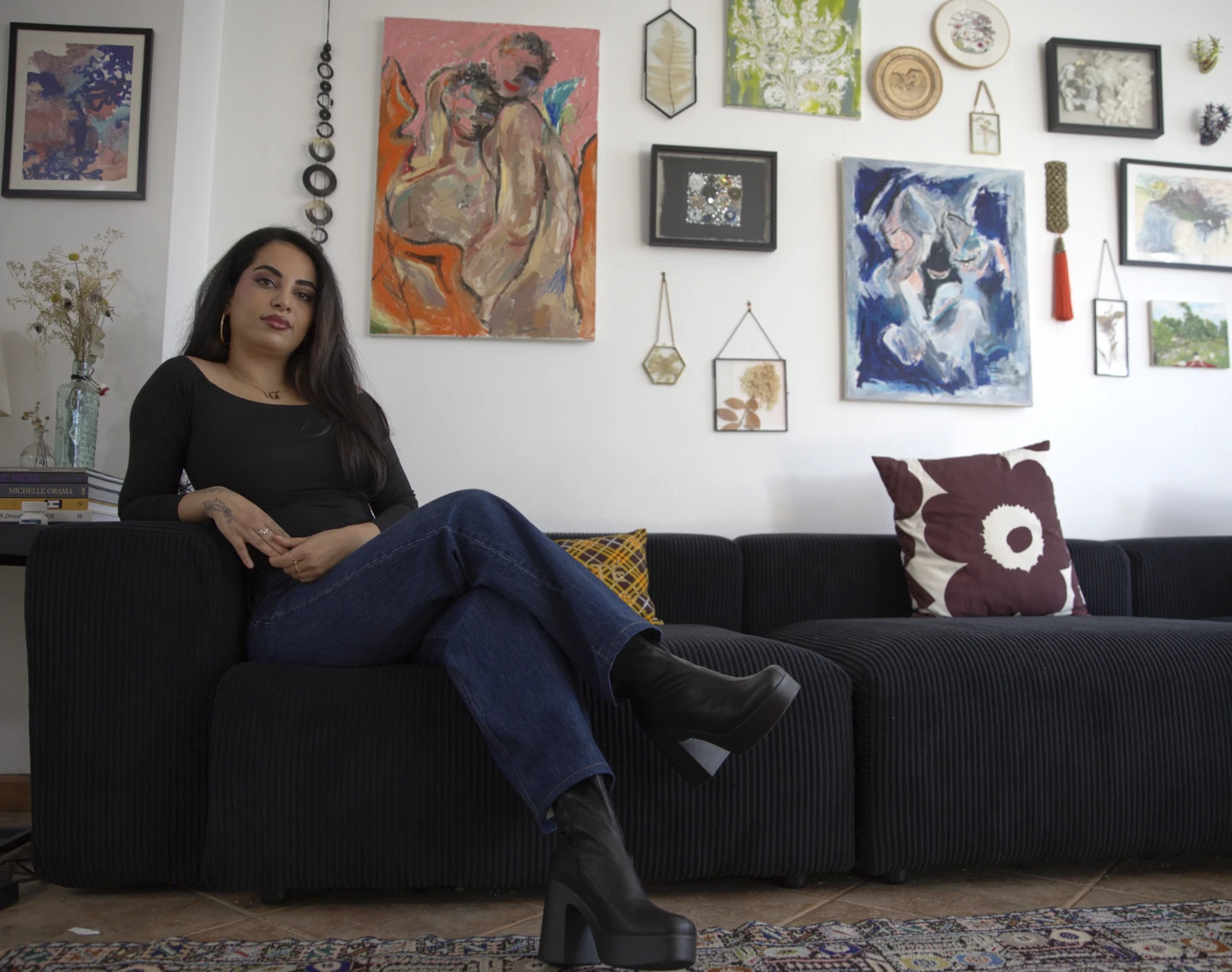
NEW YORK — Iranian American Ariana Afshar has sought to amplify voices from Iran regarding the escalating war in the Middle East, yet is hindered by a government-enforced internet blackout that restricts communication within the nation.
This digital divide leaves creatives like Afshar unable to gather authentic sentiments from her homeland, compelling them to interpret the complex reality from the outside.
Hailing from a background embedded in both cultures and boasting over 350,000 social media followers, Afshar aims to bridge understanding with succinct and impactful content. As the informational demand surges in the U.S., online search queries about Iran escalated by 3000% within one week in March alone.
However, this platform brings a significant challenge—many diaspora voices misrepresent the nuances of Iranian sentiment, a concern echoed by Afshar as she navigates her creative process.
Despite differing opinions within the diaspora, those advocating for war correlate governmental violence with a desperate plea for international support. Yet, devastating humanitarian impacts strike as creators and observers note irreparable consequences of war on civilian lives.
Increasingly, Iranian-Americans are using their platforms to counteract misinformation. Yet, the conversation becomes polarized, complicating the diaspora's representation of their homeland while also addressing apparently desperate circumstances in real time.
Access to authentic narratives remains obstructed by external factors, compelling Iranian influencers to reflect on the importance of their platforms amid such turmoil.
In these critical moments, they seek to encapsulate their cultural identity amid chaos and a need for solidarity, showcasing the complex interplay between personal experience and broader geopolitical narratives.