In a surprising announcement, Russia and Ukraine have reached an agreement for a truce to last through Orthodox Easter weekend. Russian President Vladimir Putin declared that he has ordered a ceasefire starting April 11 at 16:00 local time, a decision that comes after Ukrainian President Volodymyr Zelensky’s persistent calls for a cessation of hostilities.
Putin emphasized that the ceasefire should set a precedent for Ukraine, asserting that he expects them to reciprocate. His order included directives for Russian troops to remain vigilant and be prepared for any potential provocations from Ukrainian forces.
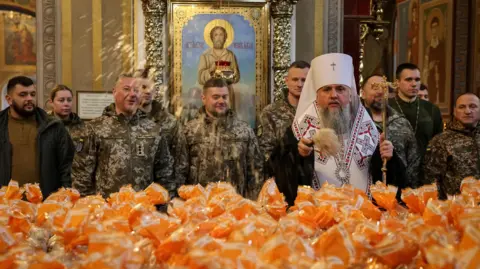
This declaration has sparked skepticism among Ukrainians, who remember previous claims of truces that quickly led back to violence. Zelensky responded by affirming Ukraine's readiness for a balanced response, stating, People need an Easter free from threats and real movement toward peace, suggesting that Russia now has an opportunity to pursue genuine peace.
Earlier in the week, Zelensky had asked the United States to relay his proposal for a temporary ceasefire during the holiday, indicating a desire for a pause in the hostilities that have plagued Ukraine. Soldiers stationed along the extensive eastern frontlines are particularly hopeful for a reprieve, as relentless assaults have made every day a battle against drone strikes and missile attacks.
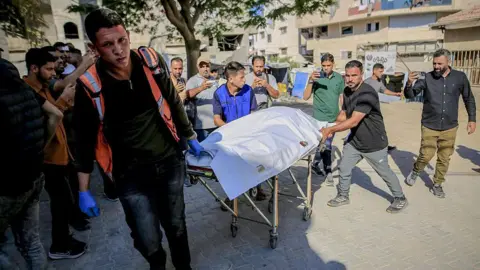
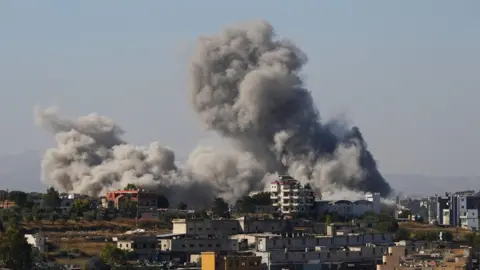
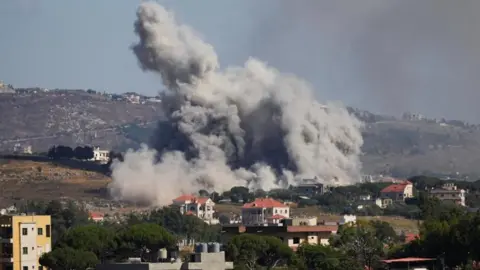
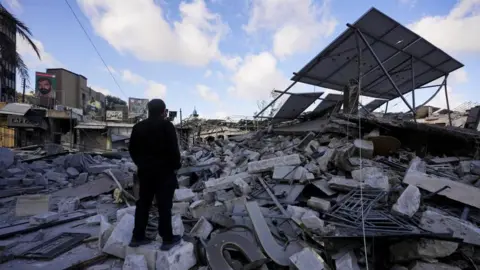
Tragically, just days prior, airstrikes killed civilians in various regions including Nikopol and Zhytomyr, underlining the delicate and dangerous atmosphere surrounding this potential ceasefire. The situation remains fluid, and while some hope for a memorable and peaceful Easter, many are reserved in their expectations, mindful of past breaches in trust and the complexity of negotiations between the two nations.