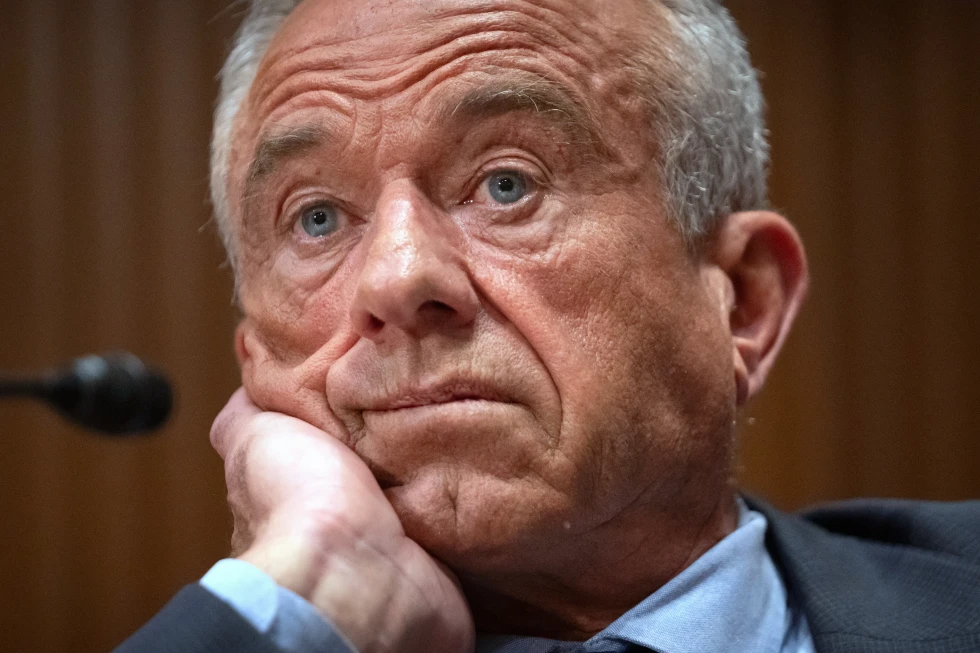
Robert F. Kennedy Jr., the Health Secretary under the Trump administration, has been vocal in promoting the idea that dietary changes can lead to significant improvements in mental health and metabolic disorders. He has made headlines with statements claiming that diet alone can ‘cure’ conditions such as schizophrenia and diabetes, urging Americans to embrace his slogan of 'eating real food' to prevent disease.
Critics, including public health officials and mental health professionals, argue that Kennedy's assertions overstate current scientific evidence regarding diet’s potential to manage serious conditions. Researchers point out that while diet can indeed influence health outcomes, the notion of food as a standalone solution to complex mental illnesses lacks sufficient rigorous support.
In recent podcast appearances and speeches, Kennedy has emphasized anecdotal evidence and emerging research, particularly citing studies that suggest dietary modifications, like ketogenic diets, can lead to remission of symptoms in schizophrenia. However, Dr. Christopher Palmer, who conducted some of this research, has clarified that such claims should be treated with caution; he prefers the term 'remission' over 'cure' to describe the results of these dietary interventions.
Kayla Hancock from the advocacy group Protect Our Care has labeled Kennedy's comments as 'incredibly careless,' noting that they may mislead individuals struggling with mental illnesses to forego essential medical treatments in favor of diet alone.
Additionally, Kennedy’s claims about diabetes, suggesting that most cases can be cured through dietary changes, have garnered mixed responses. Type 1 diabetes cannot be managed solely through diet since it is an autoimmune disorder, while Type 2 diabetes can be influenced positively by healthy eating but is often not manageable without medication.
Experts like Dr. Willa Hsueh and Dr. Dariush Mozaffarian express differing views on the validity of Kennedy's statements. While they acknowledge the potential benefits of dietary changes for some individuals, they also stress the importance of not relying on diet alone without medical oversight.
The ongoing conversations about the impact of nutrition on health, especially regarding chronic diseases, reflect a broader desire among numerous stakeholders to see food take a more central role in healthcare discussions. Supporters of Kennedy’s approach argue that it’s time to re-examine the traditional reliance on pharmaceuticals in favor of lifestyle and dietary interventions.
Moving forward, calls for greater research and transparency are paramount to ensure patients receive the most accurate information regarding their health management strategies, as experts warn against oversimplifying complex medical issues into dietary recommendations.